The plaintiffs argue that the U.S. economy heavily relies on heavy-duty vehicles that primarily operate on diesel.
In a significant legal case against the new heavy-duty vehicle emissions regulations from the Environmental Protection Agency (EPA), the plaintiffs have submitted their initial brief, according to information from Fox News Digital. This lawsuit arises in response to regulations finalized in March, which require that by 2032, 40% of work trucks and 25% of semi-trailers be zero-emission vehicles (ZEVs), among other restrictions.
One of the main plaintiffs in this case is the American Petroleum Institute (API), which represents nearly 600 entities that generate and distribute much of the energy in the United States. The court has consolidated their brief with other similar lawsuits filed by corn farmers, transportation sector groups, and a consortium of 25 states led by Nebraska.
Despite the opposition, several entities have backed the EPA, including the American Lung Association and the government of the Commonwealth of Pennsylvania, among others. The EPA defends that the new regulations do not imply a ban on traditional trucks. However, a representative from the American Fuel and Petrochemical Manufacturers (AFPM) has indicated that the underlying goal seems to be the “gradual phase-out” of diesel and biodiesel.

Plaintiffs refuse to grant the EPA authority over vehicles
The plaintiffs argue that the U.S. economy heavily relies on heavy-duty vehicles that primarily operate on diesel, emphasizing that there are currently few electric trucks in circulation. According to them, this is an ambitious government goal that does not reflect market realities.
Additionally, they argue that there is no legislation empowering the EPA or other federal entities to impose requirements on electric vehicles. They cite a case in which the Supreme Court ruled in favor of West Virginia, determining that the EPA lacked authority to regulate emissions from power plants under former President Obama’s Clean Power Plan.
The spokesperson for the National Corn Growers Association (NCGA) also spoke regarding the lawsuit, stating that the EPA is implementing an approach that prioritizes electric vehicles while sidelining other alternatives like corn ethanol, a solution with lower carbon emissions that benefits rural economies.

Finally, representatives from the EPA declined to comment on the case due to the nature of the litigation, leaving the agency’s official response to the concerns raised by the plaintiffs pending.

Cargo Theft in America: Which States Pose the Greatest Risk for Truckers?
California, Texas, and Illinois continue to lead the nation in cargo theft incidents, as organized criminal groups target freight worth millions of dollars each year. For trucking companies, owner-operators, and logistics providers, cargo theft has become one of the fastest-growing threats on America’s highways.
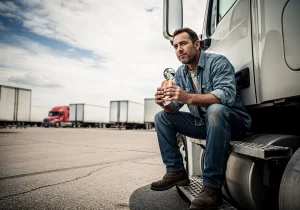
When do you need to take a 30-minute break while driving as a truck driver?
Guide for truck drivers on Hours of Service (HOS) and breaks
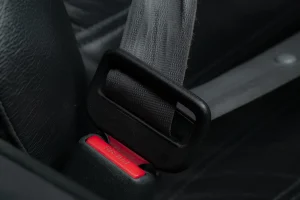
Why Seat Belts Haven’t Changed in Nearly 70 Years
Despite the automotive innovations we have seen in recent years, seat belts continue to use the same basic formula.

Route 66 Turns 100: Festivals, Convoys and Truck Shows
Route 66, the legendary highway that helped shape American transportation, is marking its centennial in 2026 with festivals, classic vehicle caravans, truck exhibitions, and special events across eight states. The historic Mother Road, a symbol of trucking, tourism, and the American road trip, is once again taking center stage as thousands of travelers, classic vehicles, and transportation enthusiasts celebrate its enduring legacy.
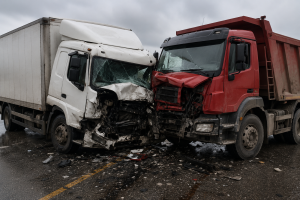
Why Some States See More Fatal Truck Accidents Than Others
Commercial truck accidents continue to be one of the leading causes of deaths and injuries in the United States.

U.S. Senate is pushing to eliminate a century-old tax on heavy trucks
The Modern, Clean and Safe Trucks Act aims at eliminating the 12% Federal Excise Tax (FET).