 Hable con un agente al (888) 572-7520
  Enviar mensaje a un agente


The U.S. Under Secretary of State for Economic Affairs, Jacob Helberg, announced on March 23 that the United States, under the Trump administration, plans to contribute $250 million to an investment consortium aimed at financing projects designed to strengthen energy and critical mineral supply chains.
According to Helberg, the United States would manage the fund and seek to secure up to $1 trillion in commitments from sovereign wealth funds and institutional investors.
The voluntary “Pax Silica Investment Consortium” will include Japan, India, South Korea, the United Kingdom, the United Arab Emirates, Qatar, and Singapore. The initiative is intended to strengthen strategic alliances in response to rival nations such as China by mobilizing capital.
Despite questions about the consortium’s feasibility, Helberg stated that the fund “will serve as a catalyst to encourage partners around the world to commit real capital to shared strategic objectives.”
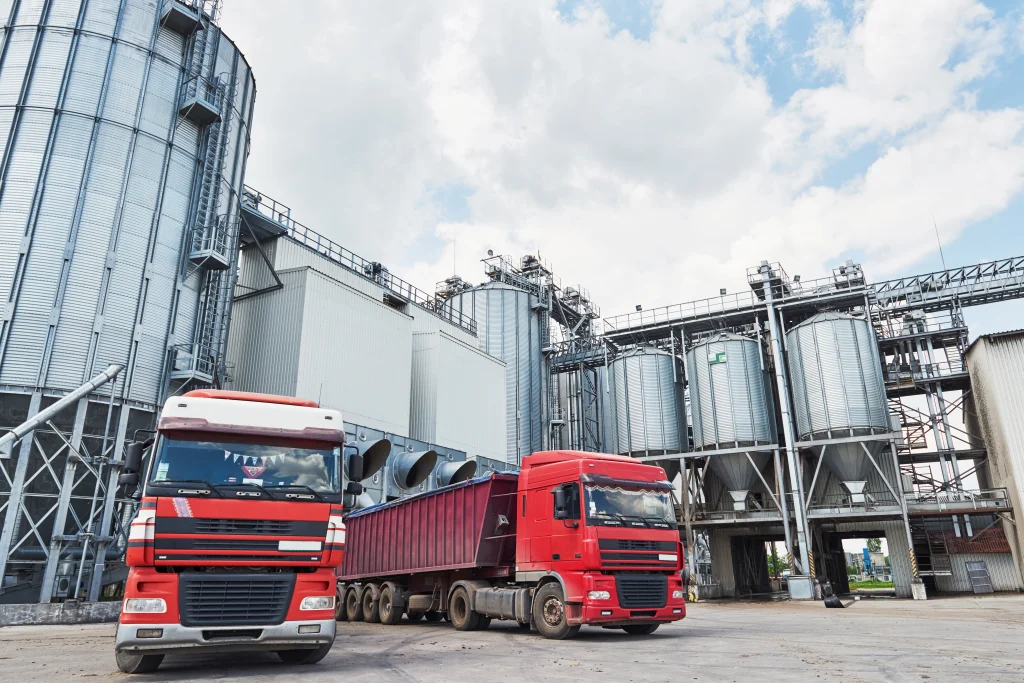
Pax Silica Investment Consortium
The consortium represents an extension of the Pax Silica declaration promoted by the United States last December. Within this framework, the U.S. government and institutional investors will evaluate a portfolio of projects. According to Helberg, one of the central priorities is to drive investments that secure access to energy and strategic minerals for the United States and its allies, with a focus on resource security, logistics, and energy infrastructure.
In his remarks, Helberg explained that the consortium is being launched as a coalition, with participating countries set to meet to review an established list of projects and jointly discuss investment decisions.
The U.S.-led supply chain strategy, Pax Silica, has been expanded to include energy infrastructure projects following the blockade of the Strait of Hormuz. The goal is to avoid “single points of failure,” Helberg said, referring to the cascading effects that the war with Iran has had on energy markets. The energy initiative will be led by Under Secretary of Energy James Danly.
This proposal comes in response to growing concerns about the fragility of global supply chains, highlighted by a conflict that has now lasted nearly a month. During this period, energy infrastructure and key maritime routes in the Gulf region have been targeted, disrupting the flow of oil, natural gas, and other essential inputs for global manufacturing.
In this context, Pax Silica is emerging as the first initiative to bring countries together around critical minerals, artificial intelligence infrastructure, and semiconductors as shared strategic assets.
Participating countries are collaborating to strengthen the security of global technology supply chains, covering areas such as software and digital platforms, data infrastructure, computing and semiconductors, advanced manufacturing, mineral processing, and energy.
 Business hours: Monday to Friday from 8:00 AM to 5:00 PM. California time