 Hable con un agente al (888) 572-7520
  Enviar mensaje a un agente

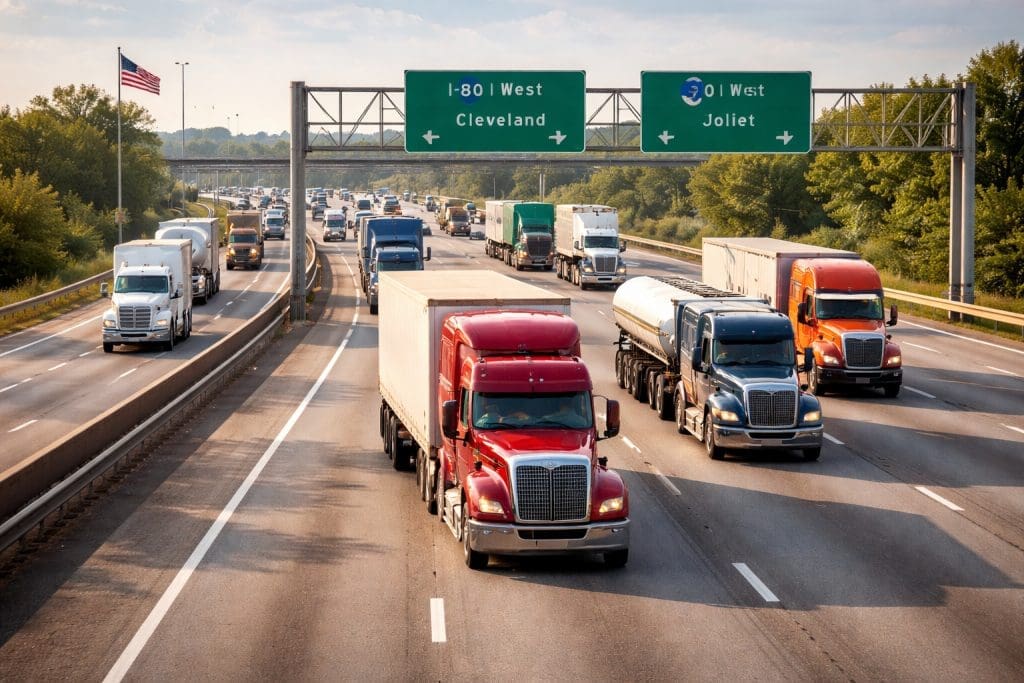

Road freight transport remains the backbone of global logistics, and within that landscape, the United States continues to hold the top position in total volume. With an extensive highway network, a large-scale economy, and a strong reliance on trucking for domestic distribution, the country leads the movement of goods by land worldwide.
It is estimated that nearly 70% of domestic freight in the United States is transported by road, making the sector a critical component of the nation’s economic engine. From food and industrial goods to technology and consumer products, most items travel at least part of their journey by truck.
Beyond standard cargo, however, the logistics system also handles highly unconventional shipments that reflect the diversity and complexity of the industry.
Ten unusual loads carried by truck
One of the most striking aspects of road freight is the wide range of items that can be transported. In the United States, trucks routinely move everything from massive structures to highly specialized goods.
Among the most unusual loads are:
- Fully assembled prefabricated homes, transported by road ready for final installation.
- Aircraft components, such as fuselages and wings, hauled over long distances before final assembly.
- Traveling fair structures, including Ferris wheels and dismantled amusement rides.
- Live animals, ranging from racehorses to exotic species destined for zoos or conservation centers.
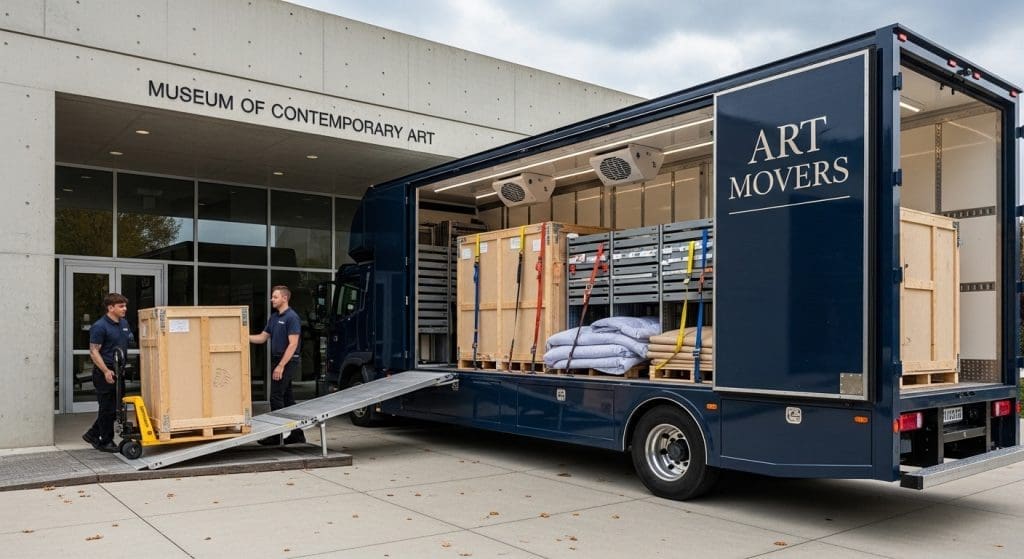
- High-value artwork, transported under strict temperature-controlled and secure conditions.
- Complete concert tour equipment, including stages, lighting systems, and structural components requiring multiple trucks.
- Wind energy components, such as turbine blades that can exceed 60 meters in length.
- Live fish shipments, carried in specialized tanks with oxygenation systems to ensure survival.
- Theme park structures, transported in sections for assembly on-site.
- Cash, moved in armored trucks between financial institutions.

A logistics system at global scale
The United States’ leadership in road freight transport is driven by a combination of structural advantages. The country has one of the most extensive highway systems in the world, with millions of miles connecting production centers, ports, and major urban hubs.
In addition, technological advancements have optimized logistics management through tracking systems, route planning, and fleet control. These tools improve efficiency and enable the handling of massive freight volumes.
Trucking plays a particularly vital role in an environment where speed and flexibility are essential to supply chains. Unlike other modes of transport, road freight provides direct, last-mile access to distribution points.
Countries that follow in volume
While the United States leads by a wide margin, several other countries also play a significant role in road freight transport.
China stands out due to the size of its economy and industrial capacity, although it combines road transport with a strong rail network.
India shows a high dependence on trucking, supported by a rapidly expanding road infrastructure aligned with its economic growth.
Brazil relies heavily on road freight, with more than 60% of goods transported by truck.
Mexico plays a strategic role in regional trade, particularly due to its integration with the U.S. market.
More than transportation
Road freight transport does more than move goods—it sustains entire economies. Every truck on the road represents a link in a chain that connects production, distribution, and consumption.
In this context, the United States’ leadership is defined not only by volume but also by the diversity of cargo moving across its highways every day. From essential goods to highly unusual shipments, trucking remains a cornerstone of the global economic system.
 Business hours: Monday to Friday from 8:00 AM to 5:00 PM. California time