 Hable con un agente al (888) 572-7520
  Enviar mensaje a un agente

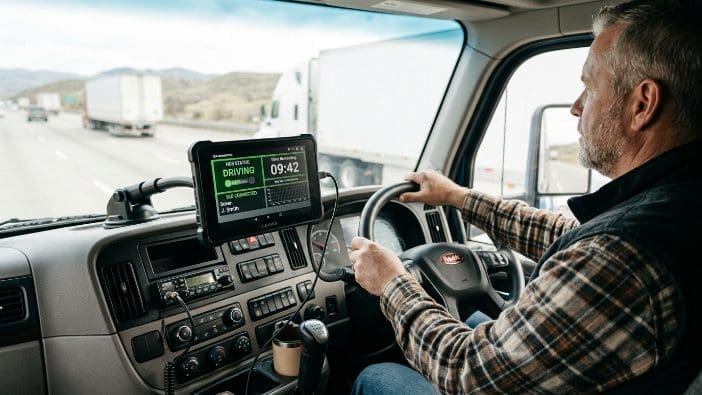

The Electronic Logging Device (ELD) mandate has long been a cornerstone of compliance in the U.S. trucking industry. But in recent months, what once felt like a stable requirement has turned into a growing risk for carriers and owner-operators across the country.
The key question is no longer which ELD to use—it’s far more urgent: is your current device still compliant today?
Since late 2025 and into early 2026, the Federal Motor Carrier Safety Administration (FMCSA) has aggressively removed dozens of devices from its official registry. The result is a rapidly shifting compliance landscape that many operators are struggling to keep up with.
Using a revoked ELD means you are operating without one
Under FMCSA regulations, once a device is removed from the approved list, it is no longer valid. There is no grace in enforcement once the deadline passes.
From a regulatory standpoint, using a revoked ELD is treated the same as failing to record Hours of Service (HOS) altogether. That places drivers in direct violation of 49 CFR 395.8(a)(1).
In real-world terms, this means:
- Drivers can be cited during roadside inspections
- Enforcement officers can immediately place them out of service
- Operations can be halted on the spot
There are no warnings or second chances. Enforcement is immediate.
A wave of removals that keeps growing
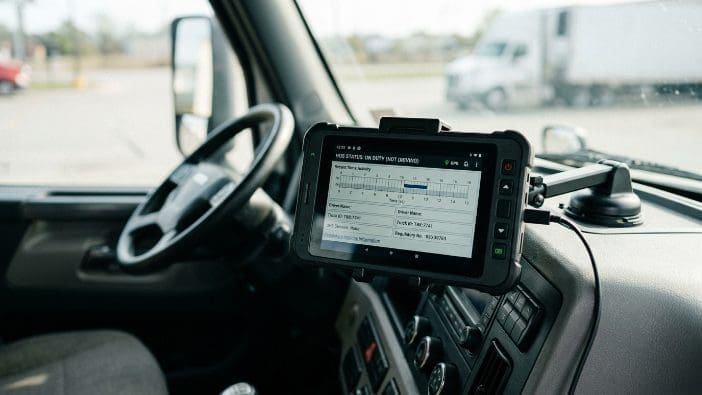
This is not an isolated action. The FMCSA has been steadily cleaning up its ELD registry:
- October 2025: 5 devices removed
- November 2025: 5 devices removed
- December 2025: 7 devices removed
- February 12, 2026: 9 devices removed (deadline: April 14)
- March 4, 2026: 14 devices removed (deadline: May 4)
In total, more than 40 ELDs have been eliminated in under six months.
Most removals are tied to failure to meet minimum technical standards under 49 CFR Part 395, Appendix A, Subpart B, including:
- Data transfer failures
- Inconsistent GPS logging
- Weak data security protocols
These are not minor issues—they directly impact the reliability and legal validity of HOS records.
The real risk: lack of awareness
The biggest problem isn’t just technical—it’s informational.
Many carriers continue using revoked devices simply because they don’t know their status has changed. Providers don’t always communicate clearly or quickly, and drivers rarely have direct visibility into compliance updates.
But from the FMCSA’s perspective, that does not matter.
Responsibility lies entirely with the operator.
What enforcement agencies are doing
FMCSA has issued clear guidance to safety inspectors:
- Cite drivers using revoked ELDs under 395.8(a)(1)
- Apply out-of-service criteria defined by the Commercial Vehicle Safety Alliance (CVSA)
While it is technically possible for a device to be reinstated if the provider fixes compliance issues, FMCSA makes it clear that this rarely happens.
Waiting on the vendor is not a viable strategy.
What carriers should do right now
The only effective response is immediate action. Carriers should:
- Verify their device
Check the official FMCSA website (eld.fmcsa.dot.gov) and confirm the exact model is still listed as registered. - Switch to paper logs if necessary
If the device has been revoked, paper logs are allowed temporarily. Continuing to use the invalid device is not. - Choose a compliant replacement
Only install devices that appear on the official registered list. Do not rely solely on vendor claims. - Inform drivers
Drivers are the ones facing inspections. They need to know what device they are using and whether it is compliant. - Subscribe to FMCSA alerts
The agency provides free notifications when devices are removed. This can prevent costly violations and downtime.
A stricter regulatory environment
This wave of removals reflects a broader shift in enforcement.
For years, the ELD market expanded quickly, with varying levels of quality across providers. Now, FMCSA is tightening oversight and raising the bar for compliance, focusing on data integrity and operational safety.
For carriers, this means:
- Greater responsibility in verifying compliance tools
- Less margin for error
- Increased exposure to penalties and operational disruptions
A ten-minute check can prevent major losses
The FMCSA’s ELD registry is public and updated in real time. Verifying a device takes less than ten minutes.
Failing to do so can result in:
- A driver placed out of service on the road
- Compliance violations and fines
- Delivery delays and financial losses
The message is simple: having an ELD is not enough—it must be compliant today.
In a tightening regulatory environment, staying informed is no longer optional. It is essential to keeping your fleet moving.
 Business hours: Monday to Friday from 8:00 AM to 5:00 PM. California time