 Hable con un agente al (888) 572-7520
  Enviar mensaje a un agente

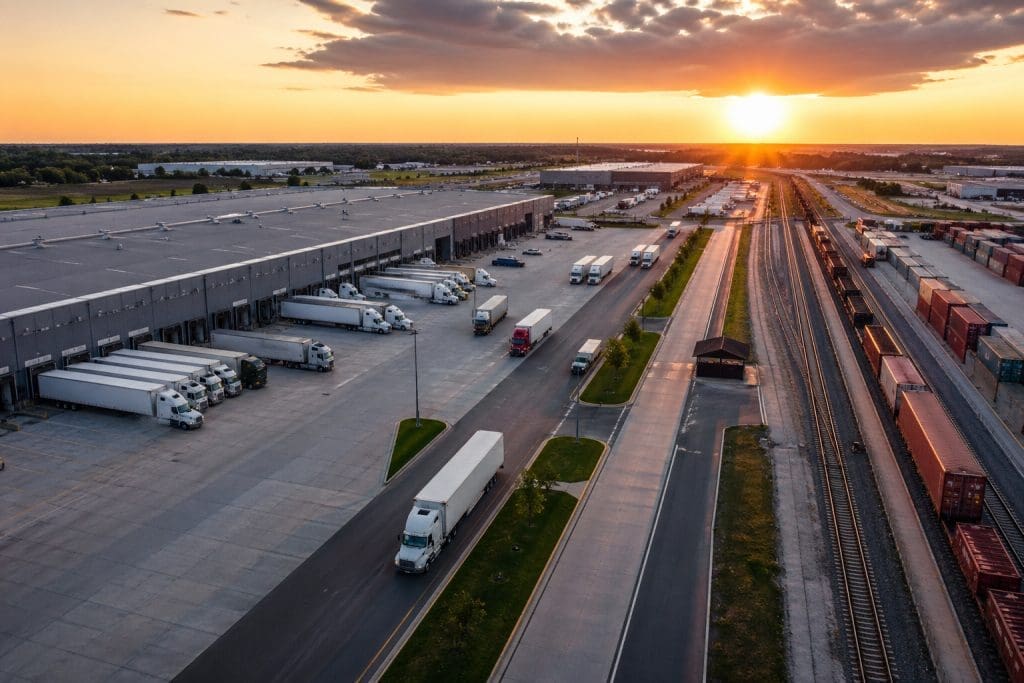

USDOT is once again placing logistics hubs at the center of its infrastructure agenda with a new round of funding under the Regional Infrastructure Accelerators (RIA) program. Rather than focusing solely on large-scale construction, the initiative targets one of the most persistent challenges in the U.S. transportation system: delays in the planning, structuring, and execution of strategic projects that directly impact freight movement and logistics efficiency.
Through the Build America Bureau, the United States Department of Transportation (USDOT) selected 20 programs across 17 states to receive technical and financial assistance. The goal is clear: accelerate critical early-stage processes such as project planning, financing, and coordination—often the main bottlenecks preventing infrastructure from moving forward.
Logistics hubs as the core of the strategy
The emphasis on logistics hubs is deliberate. In a system where freight efficiency depends on the seamless movement and distribution of goods, these nodes play a central role. They act as consolidation, redistribution, and transfer points between transportation modes, enabling route optimization and cost reduction.
One of the most representative projects is the I-40 TradePort in Winslow, Arizona. Located along one of the country’s primary east-west freight corridors, this hub is expected to become a key node for regional logistics. Support from the RIA program will help advance its planning and engineering phases, making it more attractive to private investment and accelerating its development timeline.
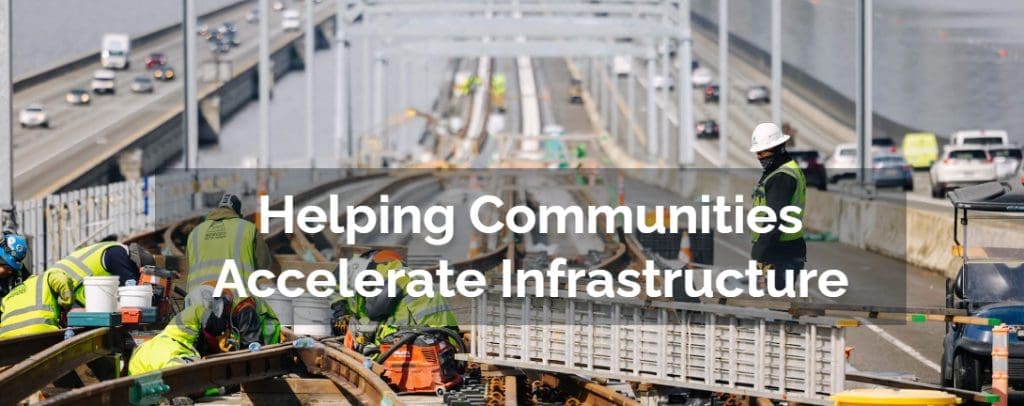
For the trucking industry, this type of infrastructure has direct operational implications. Well-positioned and efficiently designed hubs reduce idle time, improve long-haul route efficiency, and optimize freight handling. Along high-traffic corridors such as Interstate 40, these improvements can significantly enhance productivity and reduce operational costs.
Intermodal connectivity and operational efficiency
Another pillar of the program is strengthening intermodal connectivity. A key example is the investment in Louis Armstrong New Orleans International Airport, which will receive funding to improve its connection to passenger rail lines.
While primarily a passenger-focused project, the logistics impact is substantial. Better integration between transportation modes helps reduce urban congestion, streamline traffic flows, and improve access for freight vehicles to critical areas. In congested regions, these improvements can enhance overall system performance.
Intermodal connectivity also provides logistics operators with greater flexibility. By enabling more efficient combinations of trucking, rail, and air transport, it reduces reliance on saturated roadways and expands routing options. This translates into faster delivery times and improved supply chain resilience.
Public-private partnerships and project financing
The Regional Infrastructure Accelerators (RIA) program also promotes the use of public-private partnerships as a key mechanism to advance infrastructure projects. This approach is designed to mobilize private capital, share risk, and accelerate project delivery timelines.
In many cases, infrastructure projects stall not due to lack of interest, but because of complex financing structures and regulatory hurdles. The RIA program directly addresses these challenges by providing technical support to project sponsors, helping them structure viable, investment-ready initiatives.
For the logistics sector, this increases the likelihood that critical infrastructure projects will move forward more quickly. Access to modern, efficient infrastructure is a key driver of operational performance, and accelerating its development creates a competitive advantage.
Impact on freight transportation and supply chains
From a freight transportation perspective, the impact of these initiatives is tangible. Improvements in logistics hubs, expanded intermodal connections, and faster project timelines translate into measurable benefits for the industry.
Key outcomes include reduced transit times, improved reliability, and lower logistics costs. In an industry where delays directly affect profitability, infrastructure optimization plays a crucial role.
Additionally, strengthening major freight corridors such as I-40 has broader national implications. These routes are essential for moving goods between production centers, ports, and consumer markets. Any improvement in their efficiency creates ripple effects across the entire supply chain.
A strategy focused on accelerating outcomes
Since its launch in 2015, the RIA program has invested more than $54 million in 35 accelerators nationwide. This latest round of funding reinforces a strategy that prioritizes process efficiency over sheer investment scale.
Rather than funding entire projects from the ground up, the program focuses on unlocking initiatives that already exist but face barriers to progress. This targeted approach allows for faster results and maximizes the impact of each dollar invested.
In a context of growing freight demand and increasing pressure on infrastructure systems, the ability to accelerate project delivery is becoming a critical factor. The push toward logistics hubs and intermodal corridors reflects not only immediate operational needs but also a long-term vision for a more connected and efficient freight network.
USDOT, through the Regional Infrastructure Accelerators (RIA) program, is advancing a more agile, integrated, and performance-driven infrastructure model—one that directly supports the evolving demands of freight transportation and supply chain efficiency in the United States.
 Business hours: Monday to Friday from 8:00 AM to 5:00 PM. California time