 Hable con un agente al (888) 572-7520
  Enviar mensaje a un agente

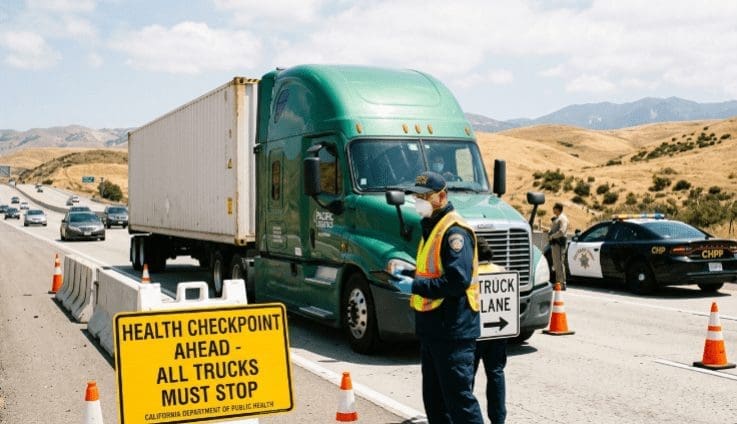

The health monitoring measures activated in Georgia, Texas, Virginia, Arizona, and California following hantavirus Andes cases linked to the cruise ship MV Hondius are beginning to raise preventive concerns across parts of the U.S. transportation and logistics industry. While health authorities continue to emphasize that the risk of widespread transmission remains low, the confirmed person-to-person transmission associated with the Andes strain and the international coordination effort are reminding the freight sector how quickly health alerts can influence operations, mobility, and supply chains.
The situation intensified after three deaths connected to the outbreak were confirmed among cruise passengers, including European travelers. According to the World Health Organization (WHO), Andes hantavirus — found primarily in Argentina and Chile — is the only known hantavirus strain with confirmed human-to-human transmission under certain close-contact conditions.
In response, state health departments and the Centers for Disease Control and Prevention (CDC) launched 42-day monitoring protocols for passengers who entered the United States before symptoms were identified onboard. So far, no monitored individuals have developed symptoms, but daily surveillance remains active.
Although the outbreak is tied to the cruise and tourism sector, transportation analysts say trucking and freight operations could still face indirect effects if health controls increase or if public concern escalates.
A logistics industry far more sensitive after COVID
The U.S. logistics industry changed dramatically after the pandemic. Transportation companies, CDL operators, intermodal terminals, and distribution centers now maintain health and sanitation protocols that are significantly stricter than they were just a few years ago. Because of that, even a limited outbreak can trigger preventive reviews within freight and supply chain operations.
Texas, California, and Georgia — all currently involved in the monitoring effort — are home to some of North America’s largest logistics hubs. These states connect major interstate freight corridors, ports, warehouses, distribution facilities, and massive commercial trucking fleets. Any situation involving interstate health surveillance tends to translate into tighter internal protocols and precautionary measures for mobile workers.
For truck drivers, that could mean additional symptom reporting, preventive medical screenings, or temporary access restrictions at certain logistics facilities. At this point, no special federal measures exist for commercial drivers, but the industry is closely watching any updates from the CDC.
The strongest impact may come from market reaction
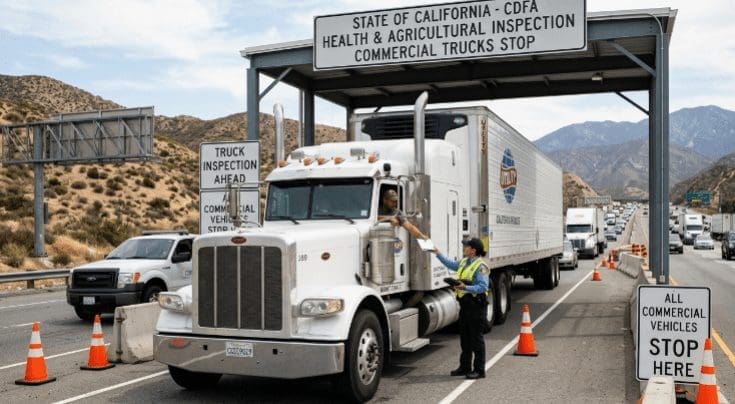
One of the biggest potential effects on logistics may not come from the virus itself, but from how markets and companies react to the situation. Since 2020, the transportation industry has learned how quickly freight markets can respond to headlines involving contagious diseases, especially when terms like “human-to-human transmission,” “epidemiological monitoring,” or “interstate surveillance” begin circulating.
That can influence consumer behavior, tourism activity, inventory planning, and freight demand. The U.S. freight system depends on highly synchronized coordination between ports, warehouses, carriers, and trucking operations. Even relatively small changes in cargo flows can affect costs and delivery times.
At the same time, industry leaders stress a major difference compared to the pandemic years. The current scenario remains far from the kind of systemic trucking and freight disruption experienced in 2020. Health authorities continue to insist the risk remains low, case numbers are limited, and there is no evidence of community spread inside the United States.
Rather than operational shutdowns, what the industry is seeing today is a period of heightened monitoring and preventive attention, particularly in sectors connected to international mobility and major freight corridors.
Ports, cruise operations, and cargo movement under closer watch
Although the current outbreak originated on a cruise ship, the connection to ports and international travel is also drawing concern across maritime and logistics sectors. The MV Hondius departed from Ushuaia, Argentina, and multiple countries later began tracking passengers and close contacts.
Whenever several countries coordinate health surveillance efforts — as is currently happening with the United States, Canada, the United Kingdom, Germany, and Switzerland — health screenings, immigration checks, and terminal inspections often become more frequent. That can result in additional administrative delays or operational slowdowns at certain transportation hubs.
For supply chains, the immediate impact will likely remain limited, but logistics companies are watching carefully for any tightening of international mobility regulations. Many in the sector remember that some of the transportation disruptions during the pandemic initially began as temporary preventive measures before evolving into broader restrictions.
Truck drivers and exposure in rural routes
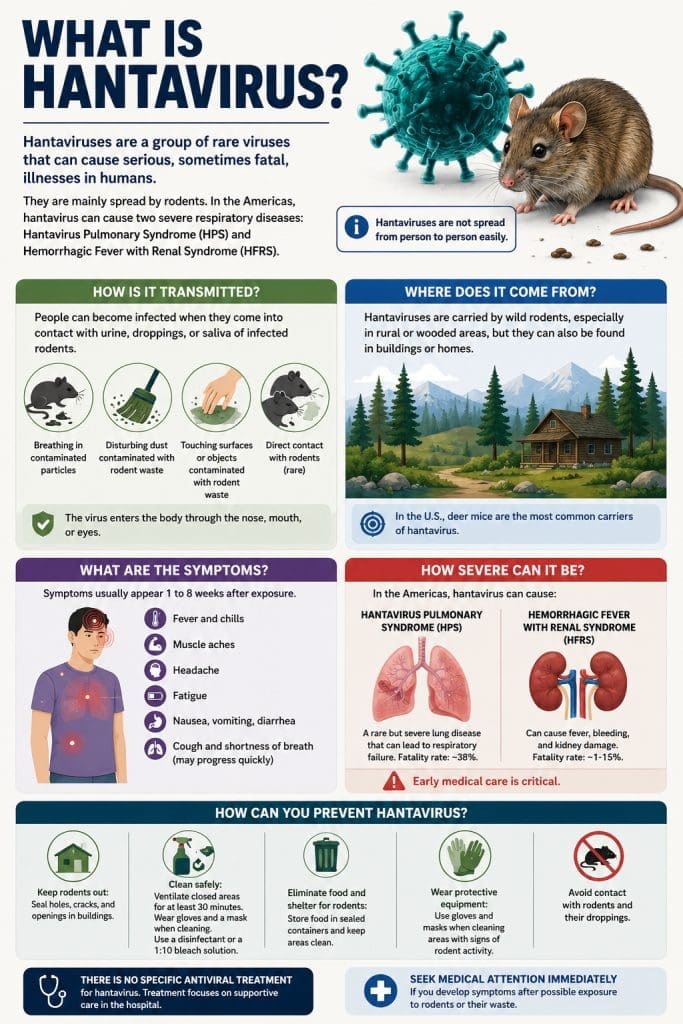
Another issue being discussed involves environmental exposure risks. Hantavirus has traditionally been associated with contact with infected rodent droppings, saliva, or urine, especially in rural areas or enclosed spaces.
In the United States, many long-haul truck drivers regularly stop in rural locations, use temporary storage facilities, or enter poorly ventilated warehouses during their routes. While the current outbreak is mainly tied to person-to-person transmission connected to the cruise ship, the situation is once again drawing attention to hygiene and sanitation practices inside logistics facilities and cargo operations.
The World Health Organization continues to state that the overall global risk remains low and that there are no signs of a widespread outbreak comparable to the coronavirus pandemic. Still, the fact that five U.S. states remain under active monitoring for more than a month shows how quickly any international health alert can place pressure on an industry that depends on the constant movement of people, cargo, and around-the-clock operations.
 Business hours: Monday to Friday from 8:00 AM to 5:00 PM. California time