 Hable con un agente al (888) 572-7520
  Enviar mensaje a un agente

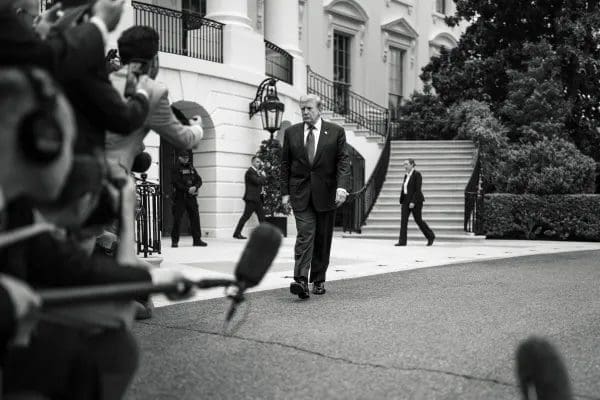

President Donald Trump’s plan to temporarily suspend the federal fuel tax is already facing growing backlash across the United States, particularly from the trucking industry, logistics groups, and sectors tied to highway infrastructure and transportation funding.
The proposal emerged this week amid mounting pressure caused by rising energy prices following the escalation of the conflict with Iran and renewed tensions surrounding global oil supplies.
The increase in crude oil prices has started directly impacting gasoline and diesel costs nationwide, reopening one of the most politically sensitive issues for the U.S. economy and millions of drivers.
Currently, the federal fuel tax stands at 18.4 cents per gallon for gasoline and 24.4 cents per gallon for diesel fuel. The revenue primarily supports the Highway Trust Fund, which finances the construction, maintenance, and repair of highways, bridges, and interstate corridors across the country.
Trump publicly stated that he wants to suspend the tax “until it’s appropriate,” arguing that even a small reduction could help consumers dealing with higher fuel prices. The president acknowledged that the savings would not be massive, but insisted that “it’s still money” for families and trucking operators struggling with rising operating costs.
The idea gained momentum after Energy Secretary Chris Wright said the White House was “open” to evaluating a temporary suspension due to the economic consequences of the Middle East conflict. Shortly afterward, Republican lawmakers began preparing legislation aimed at advancing the proposal in Congress.
However, questions quickly began emerging regarding the actual effectiveness of the plan and the possible consequences it could create for the nation’s transportation infrastructure system.
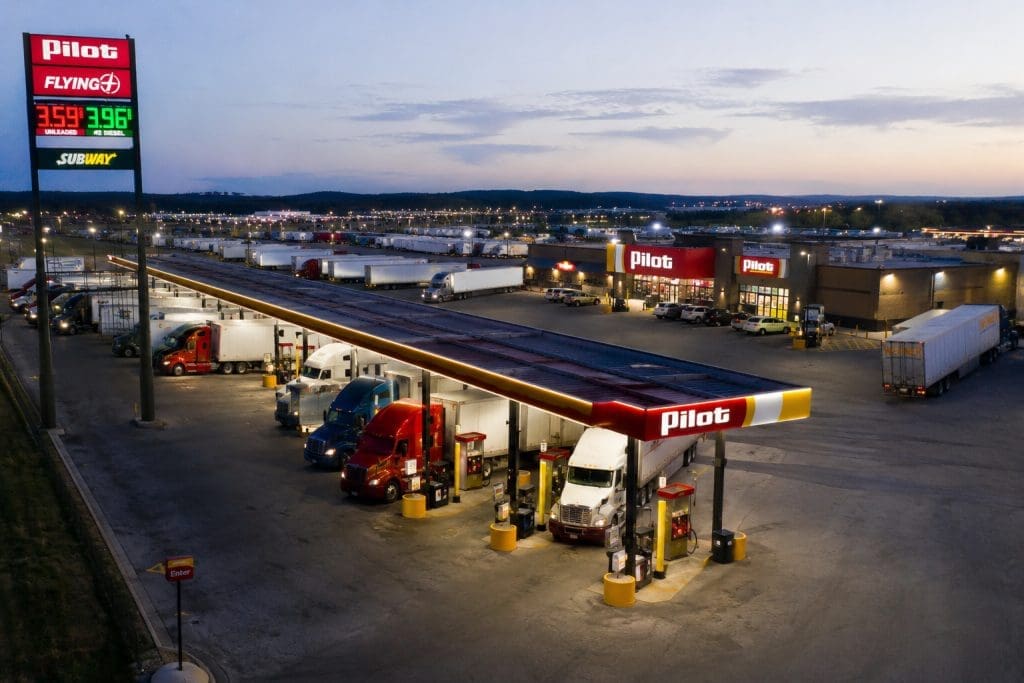
Trucking Industry Pushes Back
The strongest criticism has come from major trucking organizations.
The American Trucking Associations (ATA), Truckload Carriers Association (TCA), and National Tank Truck Carriers (NTTC) issued a joint statement opposing the suspension of the federal fuel tax.
The groups argue that similar fuel tax holidays have historically provided only minimal relief to consumers and that much of the savings never actually reaches drivers because the tax is collected at the wholesale level rather than directly at the pump.
According to the organizations, the average driver would likely save only around 30 cents per week, a figure they consider insignificant compared to the sharp increase in fuel prices seen since the latest energy crisis began.
Industry leaders also warned that temporarily removing the tax could jeopardize critical investments in national highway infrastructure, including maintenance projects, bridge repairs, and freight corridor improvements heavily relied upon by the trucking sector.
The trucking industry is particularly concerned because the Highway Trust Fund depends heavily on fuel tax revenue. Industry representatives also point out that although trucks represent only about 4% of vehicles on U.S. roads, the trucking sector contributes nearly half of the fund’s total revenue.
For many logistics companies, the issue goes beyond fuel prices. Maintaining highways, freight corridors, and bridges in safe operating condition remains essential to sustaining national supply chains and transportation efficiency.
Fuel Prices Continue Climbing
Trump’s proposal arrives during an especially sensitive moment for the U.S. energy market.
The national average gasoline price has surpassed $4.50 per gallon, while several regions across the country are experiencing even sharper increases.
The conflict involving Iran has disrupted international shipping routes and reignited concerns over potential interruptions to global oil supplies.
The Strait of Hormuz, through which a significant portion of the world’s oil supply moves, has once again become a major focal point for international energy markets. Growing geopolitical uncertainty has pushed crude oil prices higher and those increases are now reaching American gas stations.
At the same time, analysts warn that gasoline inventories remain relatively low for this time of year, particularly in parts of the Midwest where fuel prices have risen more aggressively in recent weeks.
That situation has led many experts to argue that a temporary tax suspension would likely fail to address the deeper structural issue: global pressure on the energy market itself.
Economists Question the Real Impact
Several economists and energy analysts have also started questioning whether the proposal would make any meaningful difference for consumers.
Various studies estimate that suspending the federal fuel tax would reduce prices by only about 10 to 16 cents per gallon, an amount considered too small to offset the broader rise in fuel costs since the beginning of the crisis.
For many analysts, the core problem remains tied to international oil supply constraints and geopolitical instability — issues that cannot be solved through a temporary tax break alone.
Some specialists also warn that artificially lowering prices could increase fuel demand at a time when supplies are already under pressure.
Other economists argue that the political impact of the proposal may ultimately be much larger than its actual economic effect, especially ahead of the November midterm elections.
Debate Expands in Washington
Although several Republicans have publicly backed Trump’s proposal, its legislative future remains uncertain.
Senator Josh Hawley confirmed that he plans to introduce legislation suspending the federal tax on both gasoline and diesel, while other conservatives continue expressing concerns over the fiscal impact of the measure.
Some Democrats have also shown openness to discussing temporary relief options, though many favor offsetting lost revenue through taxes on oil companies or alternative federal funding mechanisms.
For now, there is no clear consensus in Washington on how to move forward.
What already appears evident is that rising fuel prices have once again become a central political issue in the United States, creating growing concern throughout the trucking, logistics, and infrastructure sectors that depend daily on both stable energy costs and a reliable highway system.
 Business hours: Monday to Friday from 8:00 AM to 5:00 PM. California time