 Hable con un agente al (888) 572-7520
  Enviar mensaje a un agente



As freight volumes continue to rise and infrastructure struggles to keep up with the demands of the transportation industry, traffic congestion has become one of the biggest challenges facing the supply chain. This situation is forcing trucking companies and fleet owners to rethink the way they operate, plan, and set prices in order to survive the costs caused by bottlenecks and delays.
Beyond the loss of productivity, traffic congestion directly impacts operating costs. According to the American Transportation Research Institute (ATRI), highway traffic jams generated a record cost of $108.8 billion in 2022. In addition, drivers spend an average of 43 hours stuck in traffic congestion. Every minute a truck remains idle consumes fuel without moving freight, while constant stopping and starting accelerates wear on components such as brakes, tires, and transmission systems.
According to ATRI research, congestion causes an annual loss equivalent to removing approximately 430,000 commercial drivers from circulation for an entire year, increasing labor costs. On top of that, restrictions related to hours-of-service regulations limit the amount of freight companies can transport, affecting both profitability and service quality.
Ripple effects across operations: the real cost of traffic congestion
A recent analysis by Fleet Owner evaluated how congestion does not affect just one truck, but can disrupt the operation of an entire fleet. A delay at one stop often spreads throughout the entire route, impacting delivery schedules, dock appointments, and subsequent pickups.
This situation also increases pressure on dispatch teams, which must constantly adjust routes, schedules, and assignments in real time, while customers monitor estimated times of arrival (ETAs) that continuously change.
Overall, this lack of predictability makes it difficult to maintain consistent service levels and undermines customers’ confidence that their shipments will arrive on time.
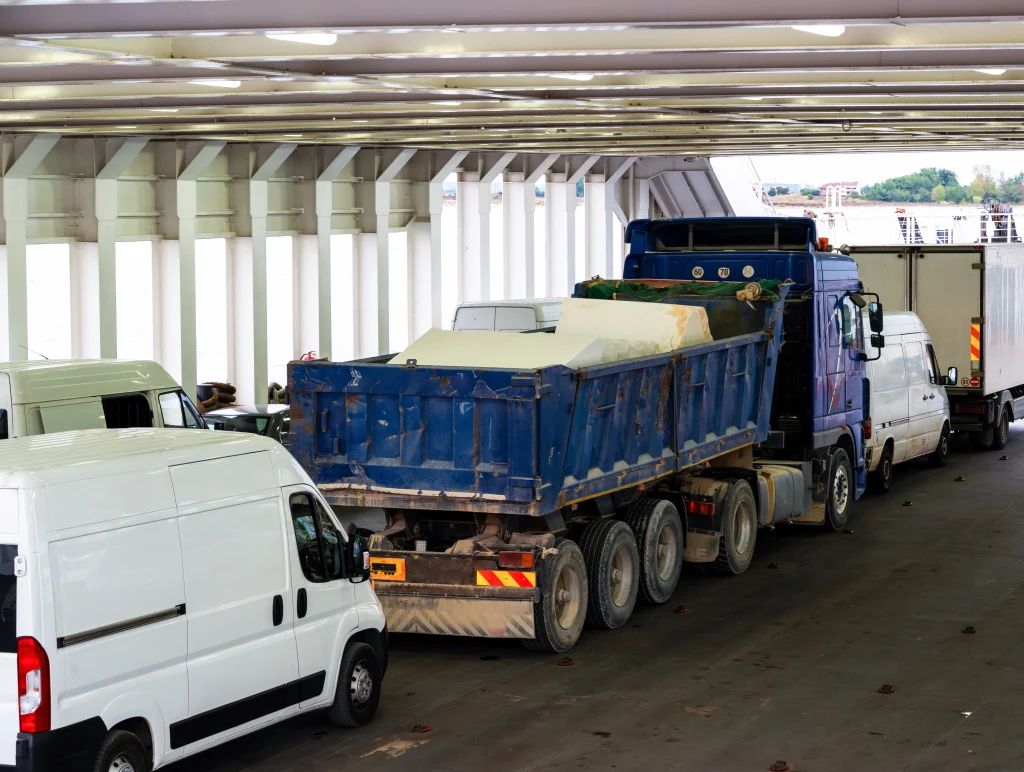
To address congestion, operators must:
- Identify where delays occur and how they vary across logistics corridors
- Analyze the relationship between freight demand and truck availability by lane
- Anticipate changes in capacity and rates
The strategies recommended by Fleet Owner are based on real-time data optimization and the use of technology to support fleets. In addition, they embrace the flexibility model, which has become increasingly common across the industry. The three recommended strategies are:
1. Telematics and real-time routing
Fleets can reduce the unavoidable impact of traffic through specialized technology. The use of real-time traffic data, advanced routing software, and telematics tools makes it possible to plan more efficient trips and reroute trucks when unexpected congestion occurs.
2. Data-driven optimization
Artificial intelligence and machine learning allow companies to analyze historical and real-time data to identify recurring congestion patterns and anticipate potential delays based on factors such as time of day, facility type, and traffic history.
Data analysis also supports preventive maintenance. By monitoring vehicle operating behavior, companies can anticipate mechanical failures and schedule repairs before breakdowns occur, reducing unplanned downtime.
3. Operational flexibility
Although certain congestion patterns are predictable, the most serious disruptions often arise unexpectedly. Events such as severe storms or infrastructure failures can completely disrupt logistics operations. In these situations, operational flexibility becomes a key factor for fleets.
 Business hours: Monday to Friday from 8:00 AM to 5:00 PM. California time