 Hable con un agente al (888) 572-7520
  Enviar mensaje a un agente



Security company CargoNet analyzed cargo theft trends around the Fourth of July holiday over the past five years and found that supply chain theft has reached its highest levels in more than a decade, with no signs of slowing down.
According to CargoNet data, 119 cargo theft incidents were reported during the period analyzed. Theft activity began rising above average levels on June 29, peaked on June 30 over the past five years, and remained elevated through the July 4 holiday.
In 2025, Verisk CargoNet’s analysis identified several critical patterns that logistics companies should address:
- July 1 and July 3 are the highest-risk days during the holiday period, with cargo theft activity typically concentrated around extended holiday weekend closures.
- Cargo theft rates have risen well beyond historical averages. While Verisk CargoNet recorded an average of four theft reports per day between 2013 and 2022, the problem has continued to worsen in recent years, reaching eight daily reports in 2023, ten in 2024, and eleven in 2025.
- California, Texas, and Illinois remain the states most affected by cargo theft. The highest-risk logistics hubs include Los Angeles County, California; San Bernardino, California; Dallas, Texas; Cook County, Illinois; and Shelby County, Tennessee.
- Theft trends are primarily focused on non-alcoholic beverages, vehicle accessories (especially tires and automotive parts), consumer electronics, and large household appliances.
- Reports of direct cargo and vehicle theft continue to significantly outnumber sophisticated fraud schemes, indicating that opportunistic physical theft remains the dominant threat during periods of heightened vulnerability.
How to Keep Cargo Secure During the Fourth of July Weekend
Organized cargo theft rings typically increase their activity during extended holiday periods. Criminal groups take advantage of delivery delays, longer dwell times, and reduced staffing levels to target unattended freight, particularly high-value commodities such as consumer electronics, luxury apparel, alcoholic beverages, and premium food products.
As a preventive measure, shippers should conduct thorough vetting of logistics providers, carriers, and drivers while ensuring that all shipment documentation is complete and accurate. It is also advisable to confirm in advance whether the consignee’s receiving hours will be affected by the holiday and adjust schedules accordingly to minimize unnecessary delays.
CargoNet also urged logistics operators and carriers nationwide to strengthen security measures, paying particular attention to shipments of alcoholic beverages, energy drinks, solar panels, televisions, automotive fluids and lubricants, tires, and copper, which remain especially vulnerable to theft.
Any stops made during the holiday period should be limited to secure, well-lit locations. Whenever possible, trailer doors should be backed against a solid object to make unauthorized access more difficult. Facilities should also verify that all security systems are fully operational. In the event of a theft, companies should immediately report the incident and activate established response protocols to coordinate with law enforcement as quickly as possible, improving the chances of recovering stolen cargo.
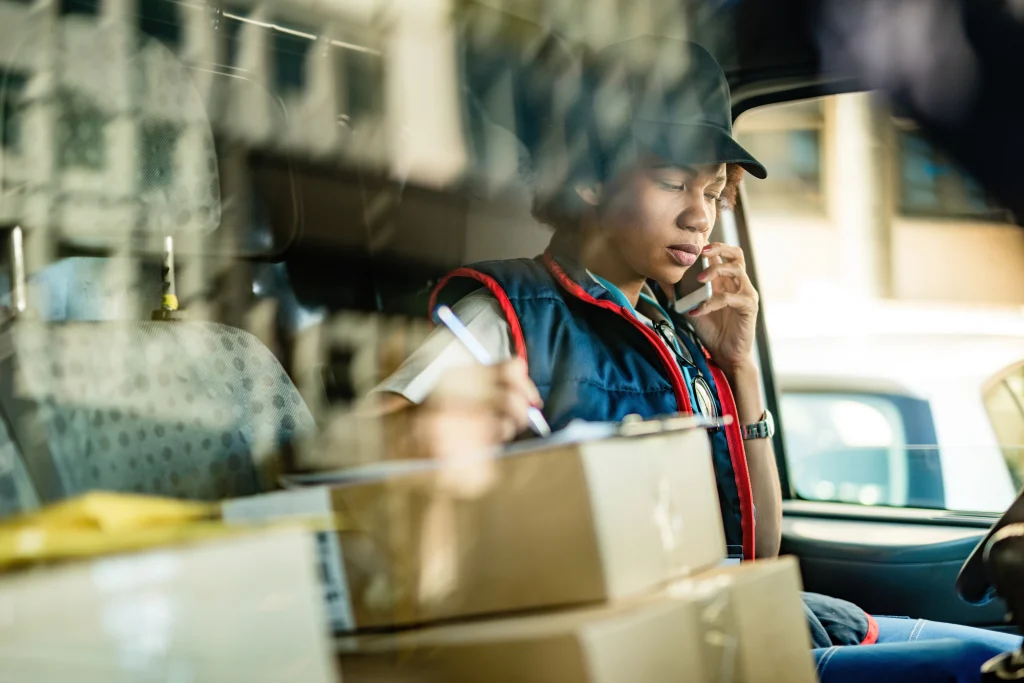
Tips to Prevent Cargo Theft:
- Protect the integrity of daily transactions by implementing strict verification procedures. A secondary review by a supervisor before assigning a load can help prevent theft.
- Verify cargo pickup before issuing fuel advances, and avoid accepting unsolicited calls from unverified carriers.
- Provide security personnel and drivers with accurate vehicle information, and use high-security seals and locks to protect shipments.
- Maintain active surveillance at facilities through alarm systems and carefully document any suspicious activity to support law enforcement investigations in the event of cargo theft.
 Business hours: Monday to Friday from 8:00 AM to 5:00 PM. California time