 Hable con un agente al (888) 572-7520
  Enviar mensaje a un agente



The National Highway Traffic Safety Administration (NHTSA) announced on July 9 that it is considering eliminating the requirement for autonomous (driverless) vehicles to be equipped with steering wheels.
According to NHTSA Administrator Jonathan Morrison, “if you’re developing a vehicle that’s designed to never be driven by a human operator, it makes no sense to require manual controls.” If adopted, the change would provide a significant boost to robotaxi companies such as Tesla Inc., which are rethinking the traditional design of motor vehicles.
Last month, the NHTSA also announced plans to update the Federal Motor Vehicle Safety Standards by removing the requirement for autonomous vehicles to include manual brake pedals. According to an article published by Transport Topics, the proposed changes are part of the Trump administration’s ongoing effort to modernize regulations governing driverless vehicles.
The NHTSA’s proposed revisions could pave the way for vehicles such as Tesla’s Cybercab, a two-seat electric vehicle designed without a steering wheel or pedals.
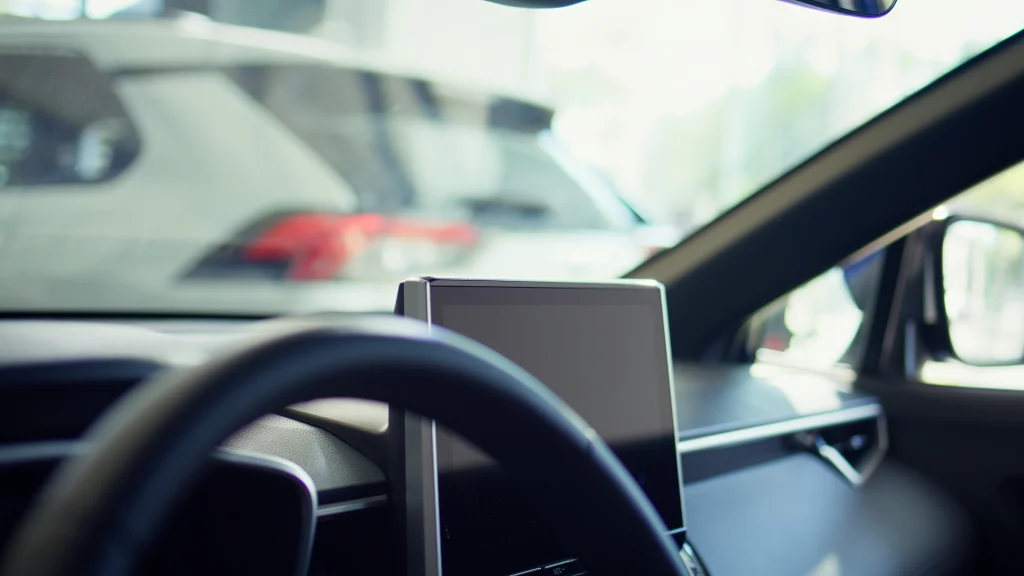
Steering Wheels and Pedals: Unnecessary in Driverless Vehicles?
As the robotaxi market continues to expand, industry leaders such as Tesla CEO Elon Musk have advocated for policy changes that would support the large-scale commercial deployment of autonomous vehicles, including the establishment of a federal regulatory framework for driverless transportation.
In an interview with CNBC, Morrison did not provide a timeline for reviewing steering wheel requirements or offer additional details about the potential regulatory changes. Regarding the proposed elimination of the brake pedal requirement, he clarified that it would apply only to vehicles designed to operate exclusively without a human driver, while existing regulations would remain in place for all other types of vehicles.
The potential removal of the steering wheel requirement for robotaxis is significant because it could accelerate the development and adoption of autonomous transportation. However, stakeholders are encouraged to monitor future NHTSA announcements, assess the potential impact on their operations, and follow regulatory developments as the agency determines whether these proposals will become broader policy changes.
 Business hours: Monday to Friday from 8:00 AM to 5:00 PM. California time