 Hable con un agente al (888) 572-7520
  Enviar mensaje a un agente

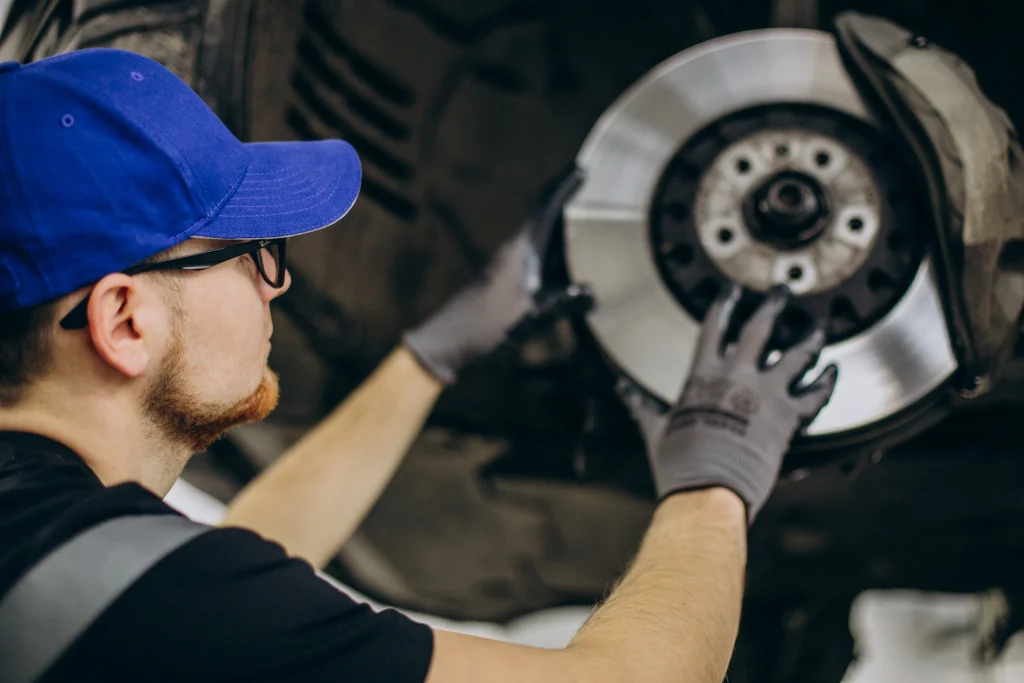

Brake Safety Week 2026 will take place from August 23–29, as announced by the Commercial Vehicle Safety Alliance (CVSA). The seven-day initiative is designed to improve roadway safety by ensuring that commercial vehicles traveling on North America’s highways are equipped with properly maintained and fully functional braking systems.
During that week, inspectors in Canada, Mexico, and the United States will conduct routine commercial vehicle inspections, with a special focus on brake systems and components. Vehicles found with brake-related violations that meet the CVSA’s out-of-service criteria will be removed from service until those violations have been corrected.
In addition to inspections, Brake Safety Week also emphasizes education and awareness. Inspectors and enforcement officials will educate drivers, motor carriers, and mechanics about the critical role preventive vehicle maintenance plays in reducing crashes and saving lives.
The goal is to eliminate roadway crashes through roadside inspections while educating everyone in the trucking industry about the importance of proper brake inspection, maintenance, and operation.
Brake Safety Week 2026: The Importance of Maintaining Brake Drums and Rotors
Problems with brake drums and rotors can reduce a vehicle’s braking performance. Pieces of cracked or broken drums and rotors can separate from a moving vehicle, damaging other vehicles or causing injuries—or even fatalities—to motorists.
The CVSA recommends that motor carriers and drivers perform thorough pre-trip and post-trip inspections and ensure that all brake components are operating properly before putting their vehicles into service.
During the 2025 Brake Safety Week campaign, inspectors conducted a total of 15,175 commercial motor vehicle inspections. Of those, 2,296 vehicles were placed out of service for brake-related violations, resulting in an out-of-service rate of 15.1%.

How to Pass CVSA Brake Inspections
Each year, the CVSA selects a central theme for Brake Safety Week. This year, the focus will be on brake drums and rotors. Properly maintaining a truck’s brake rotors (discs) and braking system is essential for safety and for reducing maintenance costs. The following practices can help extend their service life:
1. Prevent Overheating
- Avoid resting your foot on the brake pedal while driving.
- On long downhill grades, use the engine brake or retarder (if the truck is equipped with one) to reduce reliance on the service brakes.
- Avoid hard or unnecessary braking whenever possible.
2. Inspect Brake Pads Regularly
Replace brake pads before they become completely worn. If the friction material wears down to the metal backing plate, it can quickly damage the rotor and significantly increase repair costs.
3. Keep the Brake System Clean
- Brake dust, mud, and road salt can accelerate wear and corrosion.
- During routine maintenance, clean brake components using products specifically designed for brake systems.
4. Avoid Overloading the Truck
Exceeding the vehicle’s weight capacity increases brake temperatures and accelerates wear on rotors, brake pads, and tires.
5. Perform Regular Inspections
It is recommended to inspect:
- Brake pad thickness.
- Rotor condition.
- Hoses and connections.
- Fluid leaks (in hydraulic brake systems) or air leaks (in air brake systems).
- Wheel temperatures after driving; a wheel that is significantly hotter than the others may indicate a dragging or seized brake.
Signs that the brakes need attention:
- Vibration while braking.
- Metallic noises or constant squealing.
- The truck pulls to one side when braking.
- Increased stopping distance.
- A burning smell after driving downhill or heavy braking.
Brake Safety Week serves as an important reminder that safety is a shared responsibility among drivers, motor carriers, inspectors, and the commercial transportation industry as a whole.
 Business hours: Monday to Friday from 8:00 AM to 5:00 PM. California time