 Hable con un agente al (888) 572-7520
  Enviar mensaje a un agente

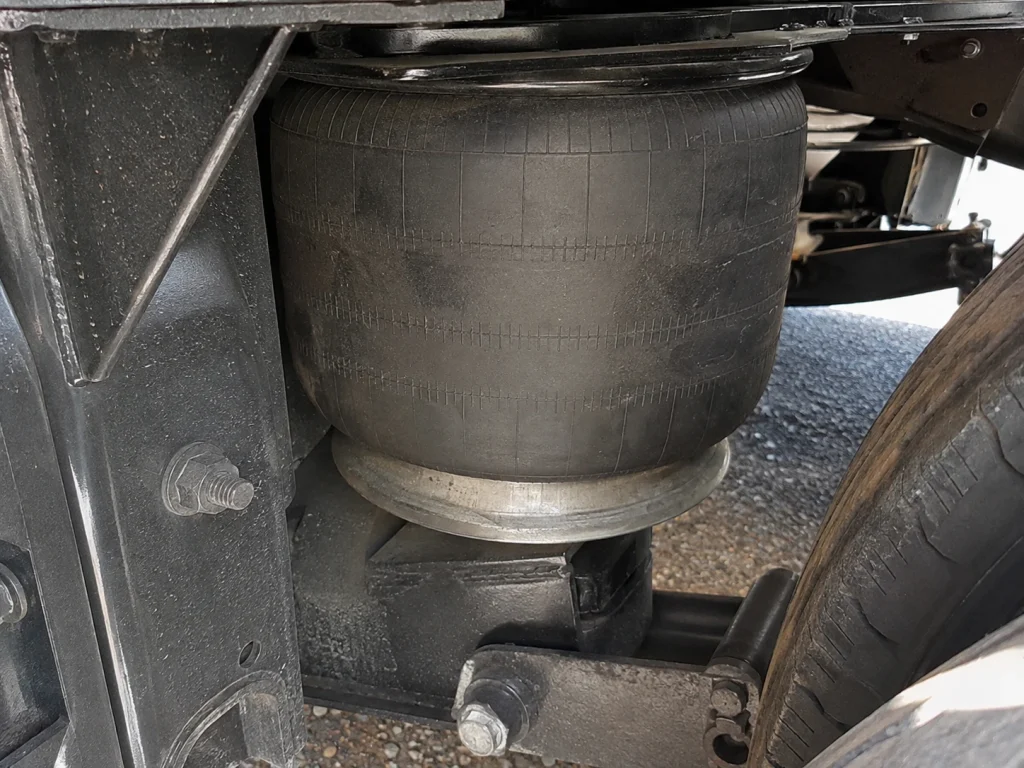

Air suspension bags rarely get the same attention as brakes or tires, yet they are among the most important components on a trailer. They keep the suspension at the proper ride height, help distribute weight evenly across the axles, absorb road impacts, and contribute to a smoother, more stable ride for both the truck and its cargo.
When one of these air bags fails, however, the consequences can be immediate. A trailer can become unstable, suspension components may be placed under excessive stress, and continuing to drive can quickly turn a relatively inexpensive repair into a much more costly one.
Air suspension bags are designed to inflate and deflate constantly as road conditions and load distribution change. By maintaining the correct ride height, they reduce vibration, improve handling, minimize tire wear, and help protect the freight being transported.
Problems begin when an air bag develops a leak or ruptures completely.
What Happens When a Trailer Air Spring Fails?
As soon as an air suspension bag loses pressure, that corner of the suspension is no longer able to support the trailer correctly. The vehicle may begin leaning to one side, and the remaining suspension components are forced to absorb loads they were never designed to handle on their own.
Many drivers first notice that the trailer appears lower on one side or feels unusually rough over bumps. Others report increased bouncing, more vibration through the suspension, irregular tire wear, or reduced stability when cornering or making emergency maneuvers. These symptoms often become more noticeable as the trailer load increases.
If the failure occurs while hauling a full load, driving for an extended distance can damage shock absorbers, suspension hardware, axle components, tires, and even parts of the trailer frame. In many cases, those secondary repairs cost far more than replacing the failed air bag itself.
Why Air Suspension Bags Fail
Although modern air suspension bags are built to withstand years of heavy-duty service, they are still wear items. Like tires or brake components, they eventually reach the end of their service life.
Age is one of the biggest factors. Over time, rubber naturally hardens, dries out, and becomes more vulnerable to cracking. Continuous overloading, repeated impacts from potholes or curbs, and constant rubbing against nearby suspension parts can accelerate the deterioration.
Contamination is another common cause. Oil, grease, diesel fuel, and certain chemicals gradually weaken the rubber, shortening its lifespan. Corrosion on the metal mounting plates or damaged air fittings can also contribute to premature failure.
Contrary to what many people assume, most air bags do not burst without warning. In many cases, they begin with a slow air leak that gradually worsens until the rubber can no longer withstand normal operating pressure.
How to Recognize a Worn Air Bag
Routine visual inspections can reveal warning signs long before a roadside breakdown occurs.
A worn air suspension bag often develops small cracks between the folds of the rubber as it ages. The surface may become dry, brittle, or weathered, and shiny areas sometimes appear where the bag has been rubbing against another suspension component. In more advanced stages of wear, the rubber may become distorted, internal reinforcement cords can begin to show through, or small cuts and punctures may become visible. Rust around the mounting plates, loose hardware, or a faint hissing sound caused by escaping air are also strong indicators that the suspension should be inspected immediately.
Another simple check is to compare the ride height of every air bag. If one appears noticeably lower than the others, or if the air compressor cycles much more frequently than normal, there is a good chance the system has developed an air leak.
Inspect the Entire Suspension System
A failed air bag is not always the root of the problem. Experienced technicians recommend inspecting the entire suspension system before installing a replacement.
Shock absorbers, height control valves, air lines, fittings, mounting brackets, bushings, and suspension hardware should all be checked for wear or damage. Replacing only the air bag while ignoring the original cause of the failure often leads to another breakdown in a short period of time.
Preventive Maintenance Pays Off
Most air suspension failures can be avoided through regular inspections during pre-trip and preventive maintenance routines.
Keeping the suspension clean makes leaks easier to spot, while preventing oil and fuel from contacting the rubber helps extend the life of the air bags. Replacing aging components before they fail is almost always less expensive than dealing with roadside repairs, towing costs, missed deliveries, and additional damage to the suspension.
For fleets that operate thousands of miles every week, preventive replacement is often considered a routine operating expense rather than an unnecessary repair.
A Small Component With a Big Job
Air suspension bags may not be the most visible part of a trailer, but they perform one of its most important functions. A few minutes spent inspecting them before every trip can prevent hours of downtime, protect valuable cargo, and save thousands of dollars in repair costs.
Even the best maintenance program, however, cannot eliminate every unexpected failure on the road. That’s why having the right insurance coverage is just as important as keeping your equipment in top condition. At Saint George Insurance, we believe the safest trip is one that’s always protected. Always travel insured.
 Business hours: Monday to Friday from 8:00 AM to 5:00 PM. California time