 Hable con un agente al (888) 572-7520
  Enviar mensaje a un agente

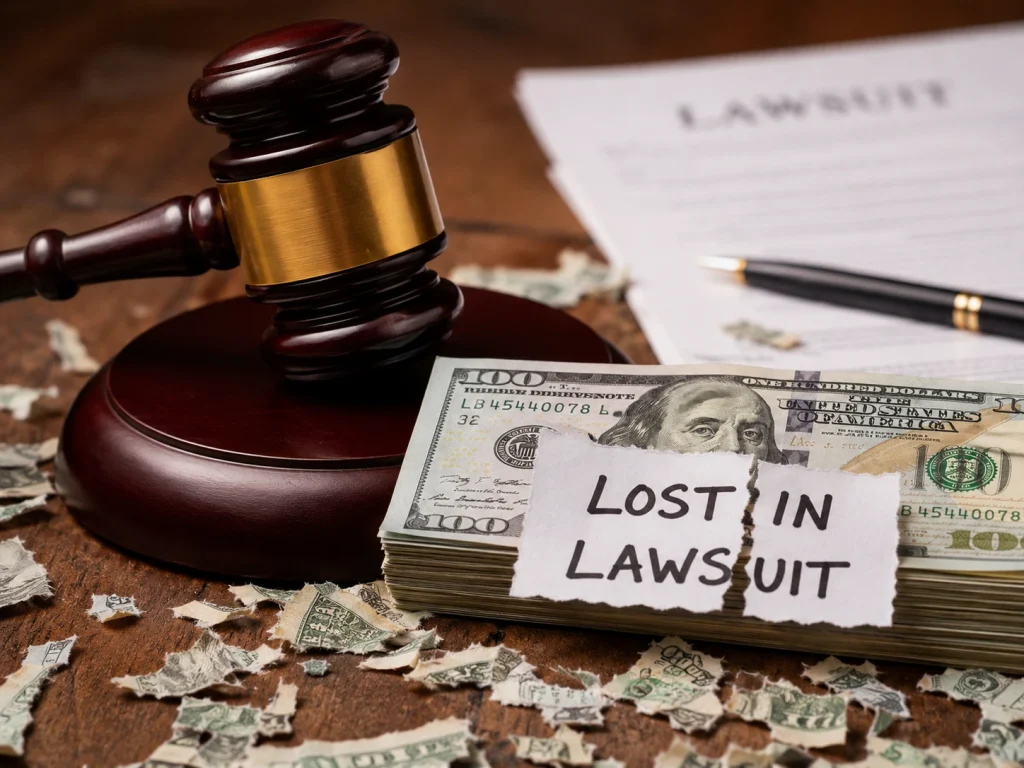

A truck is involved in a crash. The investigation begins, lawsuits are filed, and everything appears to follow the normal legal process. Then, months later, a jury orders the company to pay US$15 million, US$25 million, or even more. The fleet is gone, assets are seized, and years of hard work end with a single verdict.
In the United States, that scenario has a name: nuclear verdict.
Although there is no official legal definition, the trucking industry uses this term to describe jury awards exceeding US$10 million in damages. In recent years, these verdicts have become increasingly common and now represent one of the greatest financial risks for motor carriers, fleet owners, and insurers.
Ironically, the accident itself is often no longer the biggest problem. The real risk begins once the lawsuit starts.
What Is a Nuclear Verdict?
A nuclear verdict is an exceptionally large jury award issued in a lawsuit involving a commercial truck accident.
The award may include medical expenses, lost income, property damage, pain and suffering, future medical care, and even punitive damages when a jury believes the company acted with gross negligence.
In some cases, verdicts have exceeded US$50 million, and there have even been awards for substantially higher amounts.
For a small or midsize trucking company, a judgment of that size can mean permanent closure.
The Accident May Not Be the Real Problem
After a serious crash, the plaintiff’s attorneys don’t just investigate how the collision happened.
They also examine how the entire company operates.
During the litigation process, they may request:
- Maintenance records.
- Inspection history.
- Driver qualification files.
- Electronic Logging Device (ELD) records.
- Internal safety policies.
- Training records.
- Internal communications.
- Insurance coverage documentation.
Every document can become evidence.
If attorneys uncover violations—even ones that did not directly cause the crash—they may use them to argue that the company maintained a poor safety culture.
That argument can have a significant impact on a jury’s decision.
Small Mistakes Can Cost Millions
Many companies believe their greatest risk is an unsafe driver.
In reality, many nuclear verdicts are strengthened by administrative mistakes that could have been avoided.
Common issues include:
- Drivers exceeding Hours of Service limits.
- Incomplete maintenance records.
- Expired mandatory inspections.
- Deferred repairs.
- Poor hiring practices or drivers with problematic histories.
- Lack of driver training.
- Outdated documentation.
- Insurance coverage that does not accurately reflect the company’s actual operations.
Individually, these issues may seem minor.
In a multimillion-dollar lawsuit, however, they can become the difference between winning a case and losing millions of dollars.
Insurance and Professional Guidance Matter
Many business owners believe that having a commercial insurance policy fully protects them. That is not always the case.
If a judgment exceeds the limits of the policy, the company may have to pay the remaining amount with its own assets.
Beyond the verdict itself, a lawsuit can also result in:
- Higher insurance premiums.
- Years of legal expenses.
- Loss of customers.
- Reputational damage.
- Difficulty obtaining future insurance coverage.
- Financial problems that affect the entire operation.
In many cases, the financial consequences become even more severe than the accident itself.
The Best Defense Begins Before the Crash
Reducing the risk of a nuclear verdict requires more than careful driving.
It also requires a well-organized and compliant company.
Keeping documentation current, complying with FMCSA regulations, performing preventive maintenance, training drivers, and regularly reviewing insurance coverage are all measures that can make a tremendous difference when an accident occurs.
Every completed inspection, every documented repair, and every properly maintained record can become part of your strongest legal defense.
At Saint George, We Help Reduce That Risk
At Saint George, we understand that an insurance policy is far more than a legal requirement.
We work alongside motor carriers and fleet owners to review their coverage, verify that documentation is up to date, and determine whether their insurance truly reflects the risks of their day-to-day operations. Identifying a coverage gap or an administrative issue before an accident occurs can prevent far greater financial consequences.
Because a nuclear verdict doesn’t destroy a company overnight.
More often than not, it begins years earlier—with one small detail that no one noticed in time.
 Business hours: Monday to Friday from 8:00 AM to 5:00 PM. California time