 Hable con un agente al (888) 572-7520
  Enviar mensaje a un agente

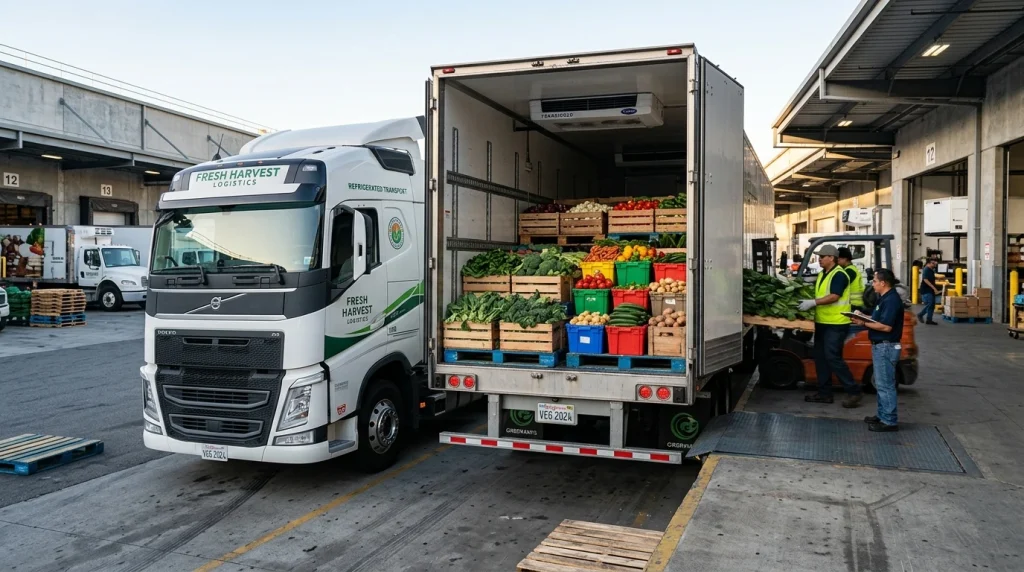

Most foodborne outbreaks begin long before consumers reach the grocery store. In the case of cyclosporiasis, investigators are focusing on the fresh produce supply chain, where growers, packing facilities, distribution centers, and thousands of refrigerated trucks move fruits and vegetables across the United States every day.
This week, Michigan confirmed the first two deaths linked to the historic outbreak of Cyclospora cayetanensis, the parasite responsible for the intestinal illness known as cyclosporiasis. Both victims had underlying health conditions that were worsened by the severe dehydration caused by the infection.
Meanwhile, the Centers for Disease Control and Prevention (CDC) have reported thousands of confirmed cases across much of the country, while the U.S. Food and Drug Administration (FDA) continues multiple investigations into potentially contaminated fresh produce. Part of the outbreak has been linked to iceberg lettuce imported from Mexico and voluntarily recalled by Taylor Farms de Mexico. However, authorities emphasize that this source does not account for every reported case.
Transportation Doesn’t Cause the Problem—But It Can Make It Worse
It is important to be clear: trucks do not create Cyclospora.
The parasite typically contaminates fruits and vegetables during agricultural production through contaminated water or human fecal matter. However, once produce enters the transportation network, logistics becomes a critical line of defense against additional risks, cross-contamination, and failures in traceability.
For that reason, the FDA’s Food Safety Modernization Act (FSMA) includes a dedicated section known as the Sanitary Transportation of Human and Animal Food Rule, establishing responsibilities for carriers, shippers, receivers, and logistics providers involved in transporting food for human consumption.
What Should Carriers Do?
When transporting fresh produce or refrigerated foods, sanitation protocols are just as important as on-time delivery.
Key requirements include:
Thoroughly clean trailers before every new load.
Sanitize food-contact surfaces using approved cleaning products.
Remove all residue from previous shipments.
Prevent odors, moisture, and pest activity.
Inspect the trailer’s structural condition.
Maintain documented cleaning and inspection records.
Train employees on proper sanitation procedures.
These practices cannot eliminate a parasite that is already present when products leave the farm, but they significantly reduce the risk of cross-contamination between different loads while preserving food safety throughout transportation.
The Cold Chain Still Matters
Unlike certain bacteria, Cyclospora does not multiply inside a refrigerated trailer.
Nevertheless, maintaining an unbroken cold chain remains essential because it preserves product quality and helps prevent the growth of other harmful microorganisms that could turn an isolated contamination event into a much larger public health problem.
For that reason, transportation companies rely on:
- Properly calibrated reefer units.
- Continuous temperature monitoring.
- Automatic temperature alarms.
- Pre-trip equipment inspections.
- Door seal and gasket verification.
These records frequently become critical evidence during foodborne illness investigations.

Traceability Travels With the Truck
When a foodborne outbreak occurs, the FDA and state health departments reconstruct the product’s entire journey to determine where contamination originated and how it spread.
Investigators examine shipping documents, transportation routes, distribution centers, delivery schedules, logistics records, and lot identification. This information allows authorities to quickly identify affected products and limit the spread of contaminated food.
For transportation companies, maintaining accurate documentation can speed investigations and help demonstrate that specific shipments were not involved.
Today, traceability has become one of the most valuable assets in modern food logistics.
One Trailer Can Supply Hundreds of Destinations
One of the greatest challenges investigators face is that a single trailer may carry products from multiple growers or destined for dozens of different customers.
When cross-docking operations, freight consolidation, or trailer swaps occur during transit, reconstructing the complete journey may require reviewing hundreds of logistics documents.
Every transportation record can become critical evidence during a food safety investigation.
Training Is Now Part of Safety
Years ago, many trucking companies viewed safety primarily as safe driving.
Today, food transportation requires much more.
Drivers and carriers must understand the fundamentals of food safety, cross-contamination prevention, sanitation procedures, documentation requirements, and regulatory compliance.
Increasingly, companies require mandatory pre-loading inspection checklists before refrigerated trailers are dispatched, ensuring each unit meets food transportation standards.
A Lesson for the Entire Industry
Although the current Cyclospora outbreak originated before transportation, the crisis demonstrates once again that logistics is an essential component of food safety.
A clean trailer, complete documentation, standardized procedures, and properly trained personnel not only help companies comply with FDA regulations—they also reinforce the confidence of customers, growers, retailers, and consumers during a public health emergency.
The first deaths linked to this outbreak serve as a warning for the entire supply chain. Food safety is not the responsibility of a single participant. It depends on every link—from the grower to the truck driver—strictly following established protocols to protect food throughout its journey.
How to Safely Handle Fresh Fruits and Vegetables at Home
Although Cyclospora contamination usually occurs before food reaches consumers, there are several steps people can take to reduce the risk of foodborne illness.
Health experts recommend thoroughly washing fresh fruits and vegetables under running water, even if their peels are not eaten, because contaminants can be transferred to the edible portion during cutting. Soap, detergents, and household disinfectants should never be used on produce, as they may leave harmful residues.
Leafy greens should be separated leaf by leaf to remove dirt before rinsing thoroughly. Consumers should also wash their hands with soap and water for at least 20 seconds before and after handling fresh produce, use clean cutting boards and utensils, and prevent cross-contamination with raw meat, poultry, seafood, and other raw foods.
Keeping refrigerated products at the proper temperature and respecting expiration dates are equally important.
If public health authorities issue a recall or food safety alert, consumers should avoid eating the affected product and follow guidance from the FDA or their state health department. Anyone experiencing severe diarrhea, nausea, weight loss, fever, or signs of dehydration—especially older adults, children, or immunocompromised individuals—should seek medical attention immediately.
These practices, combined with a well-managed and carefully monitored food supply chain, remain the best defense against foodborne illness.
Useful Links
Food Safety Tips for Retailers and Consumers During an Outbreak
Food Safety Resources for Produce Shippers and Carriers During a Foodborne Illness Outbreak
If you need guidance on food transportation regulations, compliance requirements, or carrier safety standards, don’t hesitate to contact us.
 Business hours: Monday to Friday from 8:00 AM to 5:00 PM. California time