 Hable con un agente al (888) 572-7520
  Enviar mensaje a un agente


.
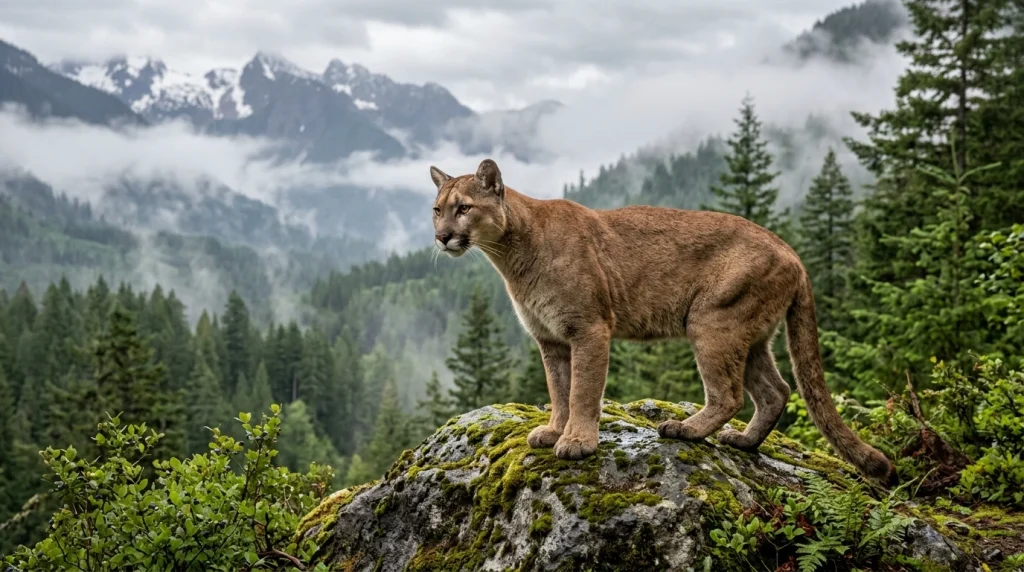
A wildlife study in Washington uncovered an unexpected finding for anyone traveling the roads: the mountain lion, a natural predator that helps maintain biodiversity, is also an ally for drivers.
The research was published in Current Biology, one of the world’s leading peer-reviewed scientific journals in biology and life sciences, known for publishing high-impact research. Its findings were also featured by Phys.org, a science and technology news outlet that summarizes and shares research from universities and scientific journals around the world.
Five Years Tracking Mountain Lions, Deer, and Traffic Accidents
To understand how large predators influence road safety, researchers analyzed data collected between July 2020 and June 2025 on the Olympic Peninsula, one of the most biodiverse regions of Washington State.
The study combined information gathered from 503 camera traps, satellite tracking of 59 GPS-collared mountain lions, and official records of wildlife-vehicle collisions.
The goal was to determine whether there was a relationship between the presence of mountain lions, deer behavior, and the number of crashes recorded on local roads.
The results surprised even the researchers.
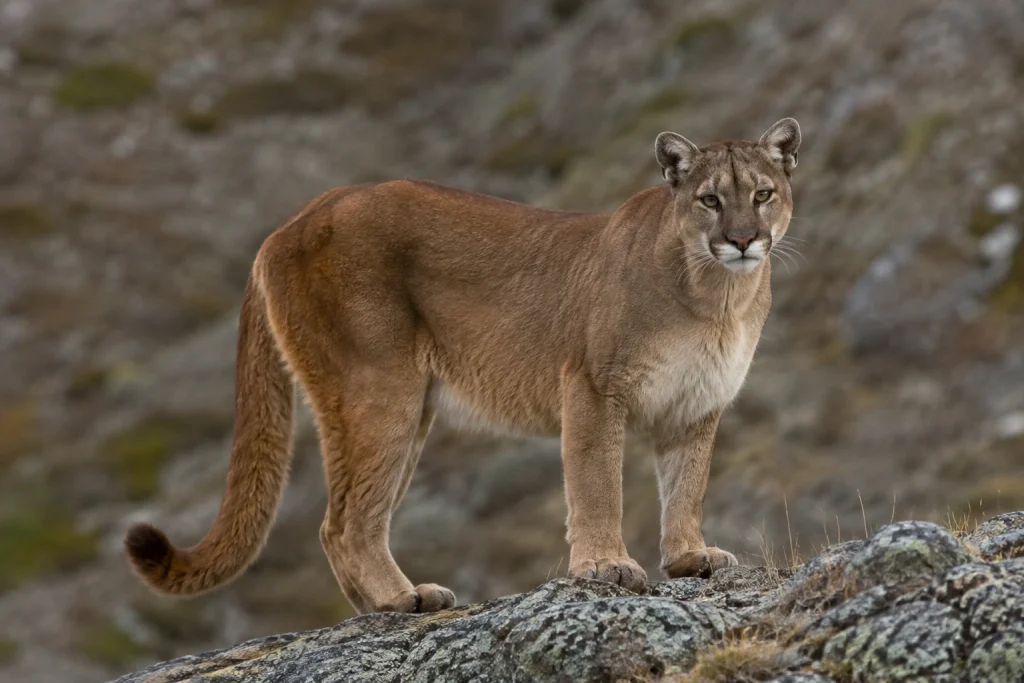
Deer Began Avoiding Roads
The study found that where mountain lions were present, deer changed both where they spent their time and when they moved.
In areas with the highest road density, deer presence was 15% lower when the large cats were nearby.
By contrast, deer occupancy increased by 86% in areas farther from roads and urban development.
According to Justin P. Suraci, lead scientist at Conservation Science Partners and lead author of the study published in Current Biology, mountain lions alter the behavior of their prey by creating what ecologists call a “landscape of fear.” Deer avoid places where they perceive a greater risk of predation and shift their movements toward safer areas.
That behavioral change ultimately benefits drivers as well.
Their Schedules Changed Too
Researchers observed another unexpected effect.
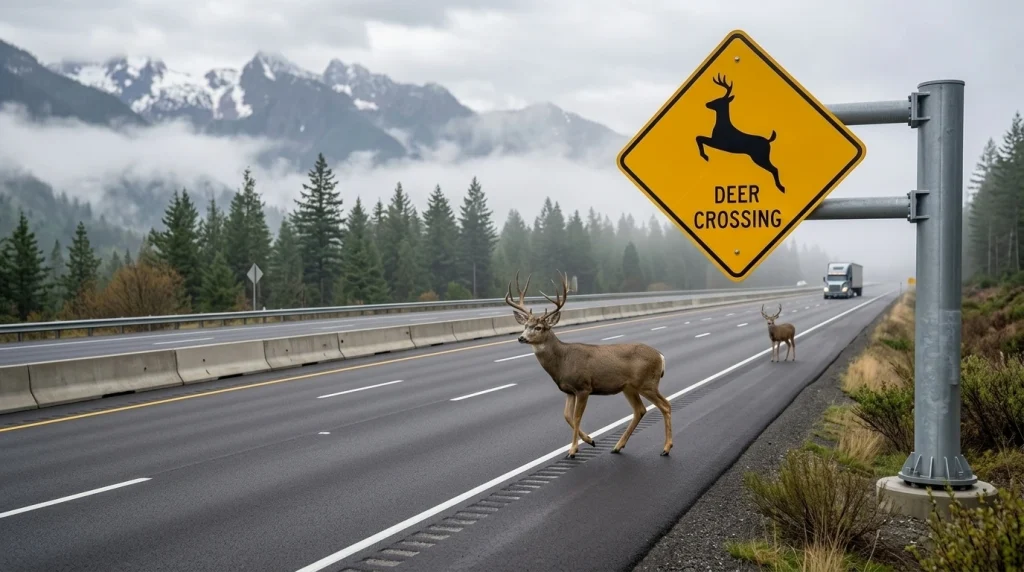
Deer significantly reduced their nighttime activity in areas where mountain lions were present.
This meant they were less likely to overlap with nighttime traffic, precisely when thousands of commercial trucks travel long distances on rural highways.
For an industry where much of the work takes place between dusk and dawn, any reduction in animals on the roadway represents a potential improvement in safety.
Up to a 67% Lower Risk of Collisions
The findings were striking.
The study found that the presence of mountain lions was associated with a 67% reduction in the probability of deer-vehicle collisions within the study area.
In locations where predator activity was highest, the estimated number of crashes declined by as much as 76% during the study period.
Official records also showed that between 2020 and 2025, the Olympic Peninsula experienced 953 wildlife-vehicle collisions.
Deer and elk were involved in 97% of those crashes, with deer accounting for 92% of all incidents.
The collisions resulted in two fatalities, more than 80 injuries, and an estimated $14.7 million in economic losses, including property damage and medical expenses.
A Finding That Caught Researchers’ Attention
The study also identified an interesting pattern.
In areas with more mountain lions, the wildlife collisions that did occur were more likely to happen during daylight hours.
According to Phys.org, daytime crashes often have more severe consequences because of heavier traffic volumes and a greater number of vehicles on the road.
Researchers believe this shift is linked to changes in deer activity, as the animals became more active during the day to reduce the risk of encountering their primary predator.
Even so, the overall outcome remained overwhelmingly positive because the total number of collisions declined significantly.
An Unexpected Benefit for the Trucking Industry
The researchers describe this phenomenon as an ecosystem service—a benefit that nature itself provides to society.
“We found that large carnivores can make roads safer by changing the behavior of their prey,” said Justin P. Suraci when presenting the study’s findings.
Meanwhile, Mark Elbroch, a researcher with the international conservation organization Panthera, said that understanding these benefits may help people better appreciate the role large predators play, especially in regions of the eastern United States and Canada where mountain lions are naturally returning.
The researchers emphasize that the study identifies a strong association between mountain lion presence and fewer vehicle collisions, although it does not establish a definitive cause-and-effect relationship.
For truck drivers, however, the takeaway is straightforward: in states such as Washington, where wildlife is part of the landscape, staying alert remains essential.
Reducing speed in marked wildlife crossing areas, paying close attention at dawn and dusk, and maintaining defensive driving practices continue to be the best ways to avoid a collision that can cost far more than vehicle repairs.
For peace of mind, always travel protected.
 Business hours: Monday to Friday from 8:00 AM to 5:00 PM. California time