 Hable con un agente al (888) 572-7520
  Enviar mensaje a un agente

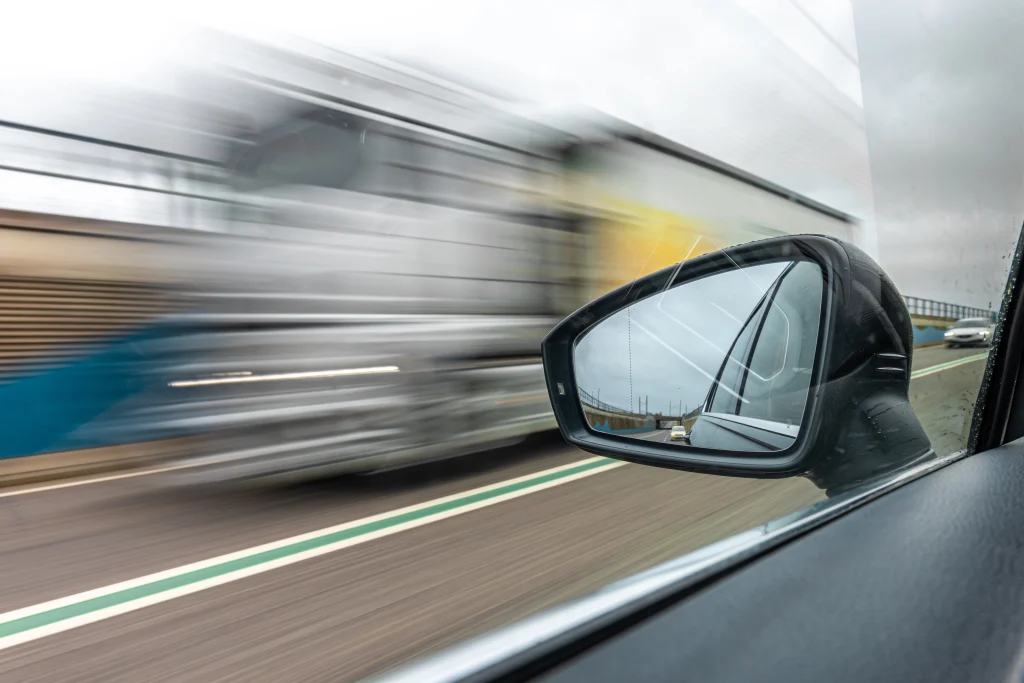

The AAA Foundation for Traffic Safety (FTS) published a report in August titled “Attitudes Toward Speeding: Findings from Focus Groups and a National Survey of U.S. Drivers,” which highlights the new reality of driving in the United States when it comes to speeding.
The study examines how drivers perceive speeding, how they justify or rationalize the behavior, and how attitudes toward speeding relate to support for speed-control strategies, according to the FTS. The findings reveal that many drivers view speeding from a perspective that goes beyond simply complying with posted speed limits, taking into account factors such as:
- The prevailing speed of traffic.
- Road conditions.
- Perceptions of their personal driving skills.
- Vehicle capabilities.
Although most drivers in the United States recognize that speeding increases both the risk of crashes and their severity, it remains a widespread and socially accepted practice in many driving situations, making it one of the most persistent and difficult road safety problems to address across the country.
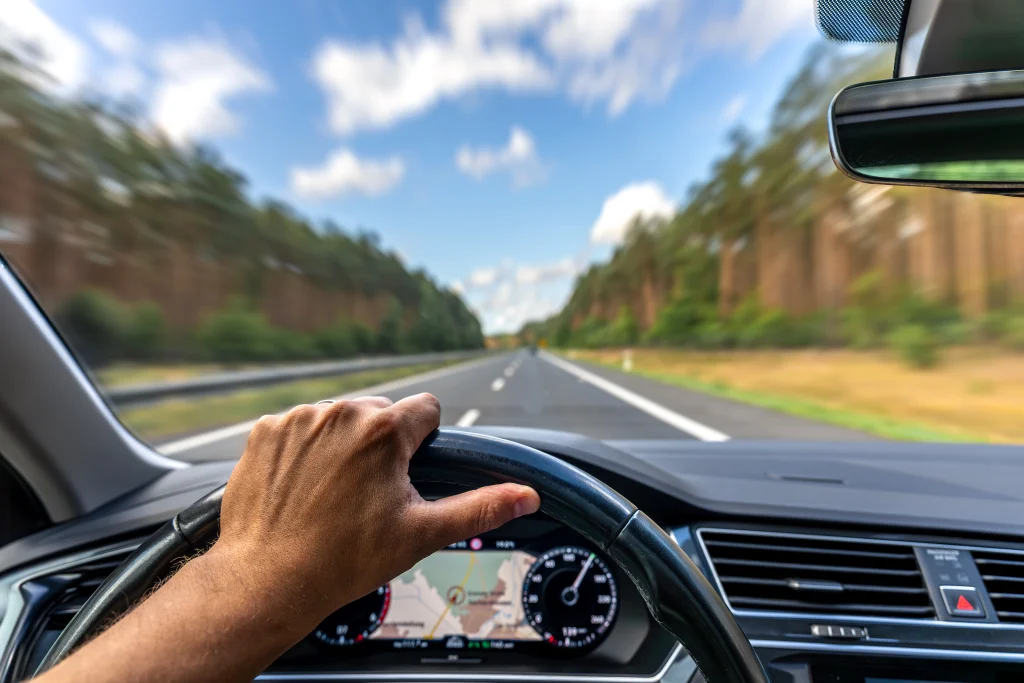
The Normalization of Exceeding Speed Limits
The National Highway Traffic Safety Administration (NHTSA) estimates that, in 2023, nearly 30% of traffic fatalities were related to speeding. One in five drivers in the FTS national survey supported speed limits that were at least 10% higher than expected levels.
But perhaps the most striking figure found in the survey was that 79% of respondents identified themselves as drivers who exceed the speed limit. Nearly three in ten respondents completely agreed with the statement that “no one follows the speed limit anymore.”
Thirty-four percent of respondents said they exceeded the speed limit only occasionally, while 30% said they did so from time to time. Fifteen percent said they frequently drove above the speed limit, while only 21% said they never did.
The main reasons drivers gave for speeding were:
- 31% do so to pass slower drivers.
- 25% do so to reach their destination faster.
- 21% do so to avoid slowing down traffic.
- 19% do so because it is part of their usual driving behavior.
Rather than outright rejecting traffic regulations, many drivers described their choice of speed as an ongoing negotiation between what they considered morally appropriate, socially acceptable, and personally satisfying, the study explains.
On the other hand, the main reasons drivers gave for not speeding were avoiding fines, cited by 79%, and reducing the likelihood of being involved in a crash, cited by 72%. In addition, 60% of surveyed drivers also mentioned weather conditions as a reason to slow down.

Measures to Reduce Speeding on U.S. Roads
To address speeding, 88% of respondents agreed with increasing police presence in areas where crashes related to excessive speed have occurred. Likewise, 71% supported the installation of automated speed cameras, a notable result given the opposition that fines and government intervention often generate.
The study also found that infrastructure measures designed to reduce speeds received less support. Only 43% of participants supported installing speed bumps in areas with a history of crashes caused by speeding, while 40% favored the installation of rumble strips. In the case of roundabouts, support was even lower, at just 39%.
Although these figures represent only a summary of the study, the findings suggest that speeding has become a normalized behavior. Drivers’ perceptions of speeding reflect the interaction of multiple attitudinal dimensions, which is why studies of this kind are conducted: to provide a better understanding of the issue and help identify potential actions to reduce the problem.
 Business hours: Monday to Friday from 8:00 AM to 5:00 PM. California time