 Hable con un agente al (888) 572-7520
  Enviar mensaje a un agente



Transportation Secretary Sean Duffy unveiled a report on the national strategy for automated vehicles aimed at providing U.S. innovators with the tools needed to develop solutions that are faster, smarter, and safer than ever before.
The document, titled “America Leads: DOT’s National Strategy for Automated Vehicles, Fiscal Years 2026–2030,” identifies the current and future key activities of the U.S. Department of Transportation (DOT). America Leads outlines the DOT’s efforts to eliminate bureaucracy, update key regulations, and ensure safety while promoting greater use of automated vehicles (AVs).
The U.S. automotive industry has been a global leader in innovation for more than a century, the document states. From the assembly line, which revolutionized the way cars are manufactured, to power steering and cruise control, as well as airbags and anti-lock brakes. These innovations first appeared in American cars, and according to the DOT, the country is ready to once again lead the way in automated vehicle innovation.
“I am proud to present the Department of Transportation’s National Strategy for Automated Vehicles. The National AV Strategy communicates to the American public, and to the world, how DOT is advancing American leadership in the automated vehicle industry. The automated vehicle industry began right here in the United States, and this is where it will continue to thrive,” Secretary Duffy said in the official document.
America Leads: Department of Transportation’s National Strategy for Automated Vehicles, Fiscal Years 2026–2030
“Everything starts with safety. By prioritizing safety through rigorous oversight, we create the conditions for American innovators to succeed,” Duffy said in his introductory letter.
The report highlights that the National Highway Traffic Safety Administration (NHTSA) will continue evaluating the use of AVs on U.S. roads to identify potential safety defects.
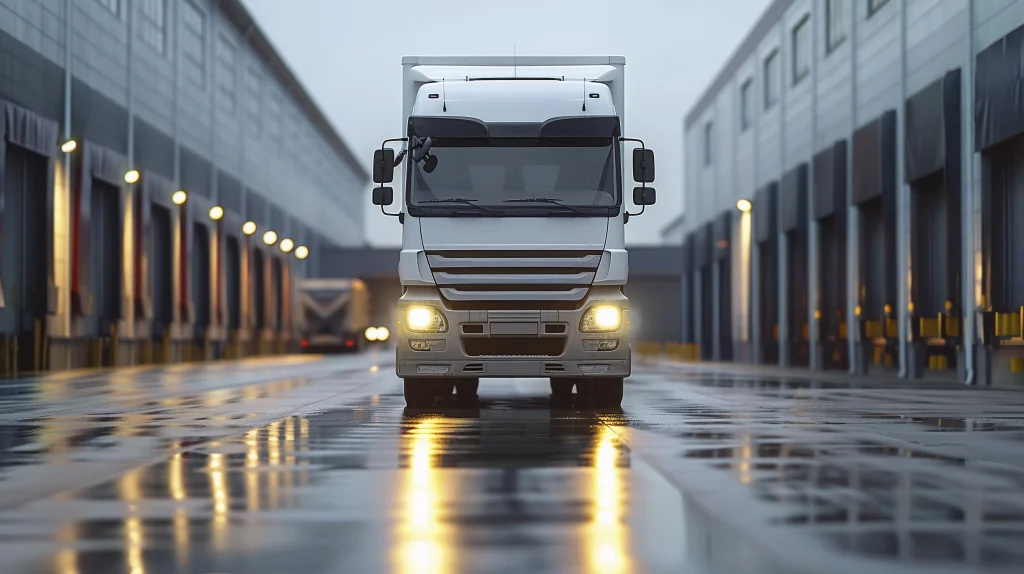
The program establishes four main objectives to advance automated vehicle operations on the nation’s roads, with NHTSA and the Federal Motor Carrier Safety Administration (FMCSA) playing key roles in ensuring implementation of the plan:
1. Prioritize safety: Establish safeguards to support and enhance safety as the automated vehicle industry grows.
The DOT is optimistic that AVs will bring significant safety improvements. That potential can only be achieved if safety is prioritized first in testing, deployment, and operations.
2. Provide regulatory certainty: Modernize existing regulations, eliminate unnecessary barriers, streamline processes, and provide clarity and predictability. Work toward consistency.
AVs must continue to comply with all applicable federal standards unless they are granted an exemption. However, applying certain regulations to automated vehicles creates unintended and unnecessary regulatory barriers that do not serve a safety purpose because they were developed based on the assumption that a human driver is present in the vehicle. The DOT will continue evaluating how the regulatory framework should evolve to meet the future needs of AVs, with safety as the primary objective.
3. Promote American innovation: Expand the commercial availability and nationwide operation of passenger and freight applications and advance U.S. interests abroad.
The United States has a long tradition of global leadership in automotive software and hardware innovation. The DOT will work with industry and public-sector stakeholders to support American transportation workers.
4. Facilitate interoperable corridors: Bring stakeholders together nationwide to promote seamless interoperability across states within the transportation system.
The Department of Transportation is supporting the digital modernization of U.S. highways to achieve broad operational benefits, which should also make them more attractive to automated vehicle operators. The DOT will accomplish this, in part, by bringing together federal resources, states, and industry to identify potential operational requirements that harmonize data structures, content, and exchange protocols at the corridor level across state jurisdictions.
Safety Protocols
The document states that state and local law enforcement agencies will continue to ensure that automated vehicles comply with traffic laws. At the same time, violations of those laws may also constitute evidence of a potential safety-related defect under NHTSA’s jurisdiction. Ongoing collaboration among federal, state, and local regulatory agencies is essential to ensuring safety.
In addition, the FMCSA has been tasked with developing an Emergency Response Framework for commercial vehicles equipped with automated driving systems (ADS). Research is needed to determine how emergency services can safely and effectively interact with commercial vehicles equipped with ADS. The goal is to create a standardized framework of emergency response protocols for autonomous commercial vehicles.
 Business hours: Monday to Friday from 8:00 AM to 5:00 PM. California time