 Hable con un agente al (888) 572-7520
  Enviar mensaje a un agente


Cybercrime has become one of the fastest-growing threats worldwide and can affect companies of any size or industry, including freight carriers and independent owner-operators. Falling victim to these types of scams can result in significant financial losses. According to CargoNet, during the third quarter of 2025, claims related to cargo theft totaled $111.88 million.
The large number of devices and digital platforms currently used to communicate with business partners, coordinate loads, and keep goods moving efficiently has also made the transportation industry an attractive target for hackers.
Cybercriminals know how to take advantage of fear and urgency. To deceive their victims, they may use red warning alerts, fake security scans, and logos that resemble those of legitimate companies, making a webpage look like an authentic system security warning. In this context, protecting both truck drivers and cargo has become a priority for the transportation industry.
Cybercrime: The Most Common Scams in the Trucking Industry
Cybercriminals use a variety of scams to gain access to transportation companies’ accounts or information. From deceptive emails to phone calls pretending to be relatives, these are some of the most common techniques used by cybercriminals:
Phishing
Phishing is one of the most widely used techniques, with more than 90% of cyberattacks reportedly beginning this way. It involves using deceptive emails to trick users into revealing confidential information. In addition to being convincing, these emails may appear to come from a well-known website, a trusted company, or even a coworker.
Smishing
Smishing works similarly to phishing, but it uses text messages to contact drivers directly through their cell phones. These messages often present urgent situations and attempt to persuade victims to disclose private information, click on a link, or install malicious software.
As with fraudulent emails, smishing messages may impersonate communications from banks, companies, or other familiar sources. Criminals use urgency, fear, or concern to trigger a quick reaction and persuade people to take an action that could put their information at risk.
A common example would be receiving a text message warning about a supposed suspicious transaction on an account and asking the user to click a link or verify their information immediately.

Quishing
Quishing involves using manipulated or fake QR codes to direct people to malicious websites or trick them into downloading dangerous software. Because QR codes are now part of many everyday activities, such as making payments, viewing digital menus, and logging into different platforms, they have become an increasingly popular tool among cybercriminals.
To make their scams appear legitimate, attackers may place fraudulent QR codes in locations where users expect to find them, including emails that appear to come from well-known companies, posters, advertisements, or public spaces. When scanned, the victim may be redirected to a website designed to steal information or compromise their device.
Fake Virus Alerts on Mobile Devices
A notification from a suspicious website or application may claim that immediate action is required, such as:
- Calling a fake technical support number.
- Downloading a fake security application.
- Paying for cleanup software.
- Giving someone remote access to the device.
- Entering your Apple ID or Google account password.
- Installing an application that does not come from the official app store.
Fake virus pop-ups often use urgent warnings, countdown timers, and language that appears official to pressure users into tapping the screen and allowing access to their information.
AI Has Become a Powerful Tool for Scammers
Artificial intelligence (AI) has provided scammers with a wide range of new tools to improve their fraud tactics and target victims. Social media platforms such as Instagram and TikTok allow people to freely share recordings of their voices and images. Just five seconds of a voice recording shared on social media can reportedly be enough to create a convincing voice clone, with scams involving supposedly distressed family members becoming increasingly popular among cybercriminals.
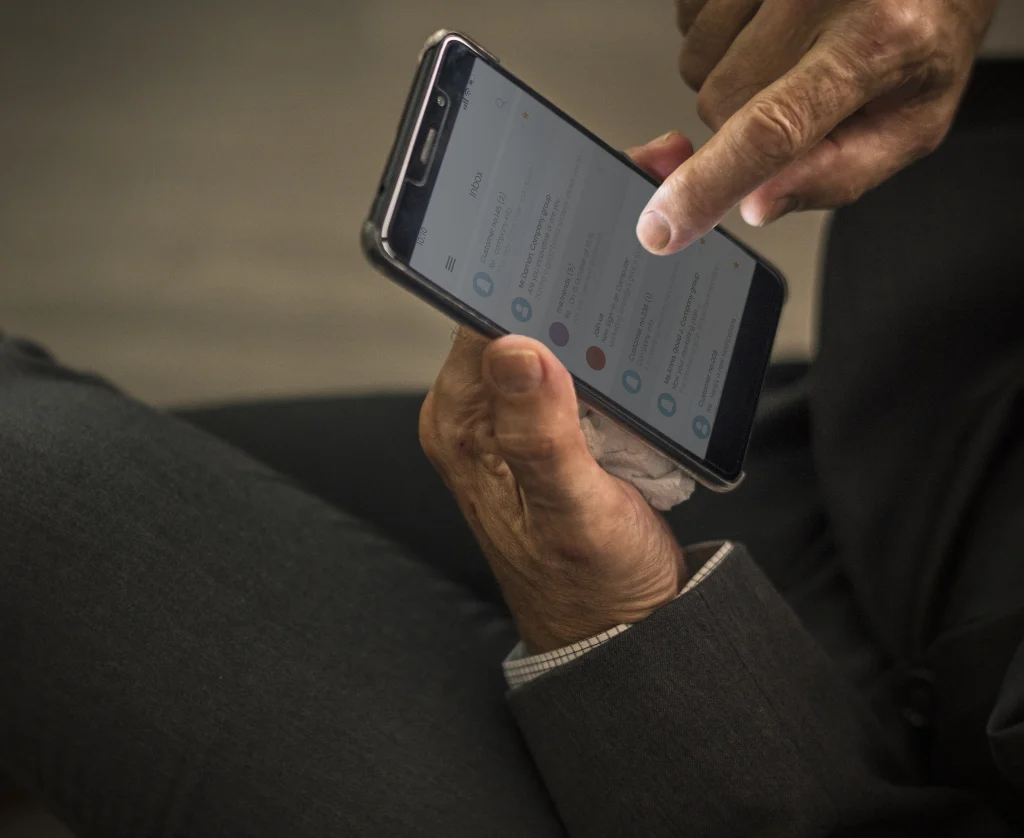
But not all is lost. There are ways to recognize these types of scams, with one of the most important being to remain calm. Here are some tips to avoid falling victim to cyber scams:
- Look for spelling errors in email addresses or domain names.
- Be suspicious of messages designed to create fear or a sense of urgency.
- Be cautious of unsolicited offers.
- Avoid downloading unsolicited attachments or clicking on unsolicited links.
- Verify the legitimacy of technical support requests.
- Be careful with requests to download applications through text messages.
- Avoid using public Wi-Fi networks.
- Use multifactor authentication.
- During phone calls, ask specific questions that only your family members would be able to answer.
- Avoid answering calls from unrecognized numbers.
 Business hours: Monday to Friday from 8:00 AM to 5:00 PM. California time