 Hable con un agente al (888) 572-7520
  Enviar mensaje a un agente

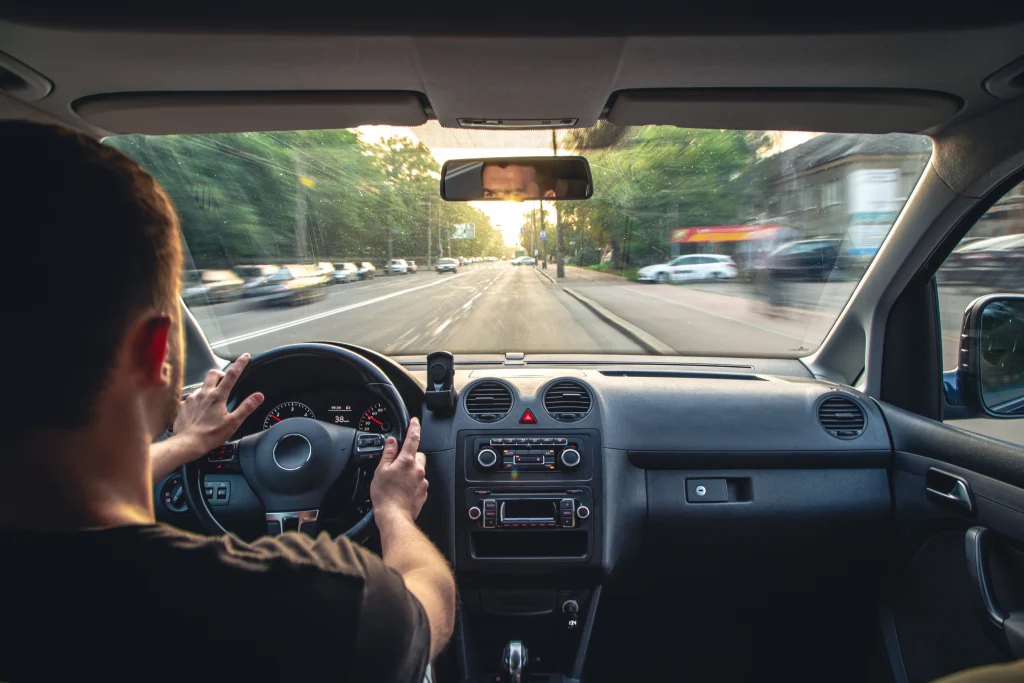

The Colorado Department of Transportation (CDOT) published its Driver Behavior Report on September 25, an analysis that found that approximately 73% of Colorado residents say they exceed the speed limit on major highways at least occasionally.
In addition, 69% of Colorado residents say they do the same on local roads. Speeding is a major contributing factor in crashes in Colorado and contributed to 234 fatalities in 2025, representing 33% of all traffic-related deaths that year.
According to the agency, CDOT conducts an annual survey among Colorado residents to guide its operations, assess trends, and better understand the attitudes and behaviors of drivers across the state. This year, CDOT hired Corona Insights to conduct the research through a survey that largely replicated those used in previous years, with some minor modifications. The report highlights statistically significant changes between 2025 and 2026.
Colorado’s 2026 Driver Behavior Report
The Driver Behavior Report evaluated four main behaviors considered risky while driving: not wearing a seat belt, speeding, distracted driving, and driving under the influence of alcohol or drugs.
Colorado drivers reported engaging in an average of 1.19 of the four behaviors listed. According to the report, this average has shown a downward trend over the past three years, declining from 1.35 in 2023 to 1.27 in 2024 and 1.19 in 2025. The difference between 2023 and 2025/26 was statistically significant.
Approximately one in five drivers, or 19%, said they had engaged in none of these behaviors, while more than half (51%) reported engaging in only one of the four in 2026. The following demographic groups reported a slightly higher average number of unsafe driving behaviors:
- Drivers between the ages of 25 and 44
- Male drivers
- Drivers in the Denver metropolitan area
- Drivers who have driven five or more days

The report also found that distracted driving is another major concern among Colorado drivers. According to the study, approximately three out of four drivers, or 74%, said they had eaten or drunk something while driving within the previous seven days, while two out of three, or 67%, said they had talked on a hands-free phone while driving during the previous seven days.
Drivers between the ages of 18 and 44 were much more likely than drivers age 45 and older to pick up their phones while driving during the previous seven days for several reasons:
- To make or receive a call (44%)
- To read a message (41%)
- To send a message (31%)
Meanwhile, more than one in ten drivers (16%) said they had driven a motor vehicle within two hours of consuming alcoholic beverages at least one day during the previous 30 days. Only 2% said they had done so on six or more days during that period.
In contrast, more than nine out of ten Colorado drivers (93%) said they wear their seat belts all the time when driving. An additional 5% said they do so most of the time, while only 2% said they do so only sometimes or less frequently.
Colorado: Slow Down
After publishing the research, the Colorado Department of Transportation shared the following tips to help prevent driving at speeds that exceed posted speed limits. In doing so, drivers can help protect both human life and wildlife, as Colorado is home to some of the nation’s most extensive wildlife areas.
Remember: Slow down in cone zones.
- Do not speed in work zones. Obey posted speed limits.
- Stay alert! Be prepared for the unexpected.
- Watch for workers. Drive cautiously.
- Do not change lanes unnecessarily.
- Avoid using mobile devices, such as phones, while driving through work zones.
- Turn on your headlights so workers and other drivers can see you.
- Be especially alert when driving through work zones at night.
- Be prepared for delays, especially during peak hours.
- Leave plenty of space between your vehicle and the one in front of you.
- Anticipate lane changes and merge when directed to do so.
- Be patient!
Saving time does not save lives. Speed limits are established for a reason and obeying them is every driver’s civic duty.
 Business hours: Monday to Friday from 8:00 AM to 5:00 PM. California time