 Hable con un agente al (888) 572-7520
  Enviar mensaje a un agente



The integration of cameras, sensors, and artificial intelligence (AI) into freight transportation is transforming the way companies monitor road safety. These technologies can detect signs of fatigue, distraction, cell phone use, lane changes, or potential incidents, helping to reduce risks.
However, in recent years, the advancement of these tools has also opened the door to an important debate: what happens to truck drivers’ privacy when their activities are constantly monitored?
The challenge is not necessarily about choosing between technology and privacy. An appropriate strategy can seek a balance between operational safety, data protection, and respect for drivers’ rights.
Why Can Cameras and AI Affect Truck Drivers’ Privacy?
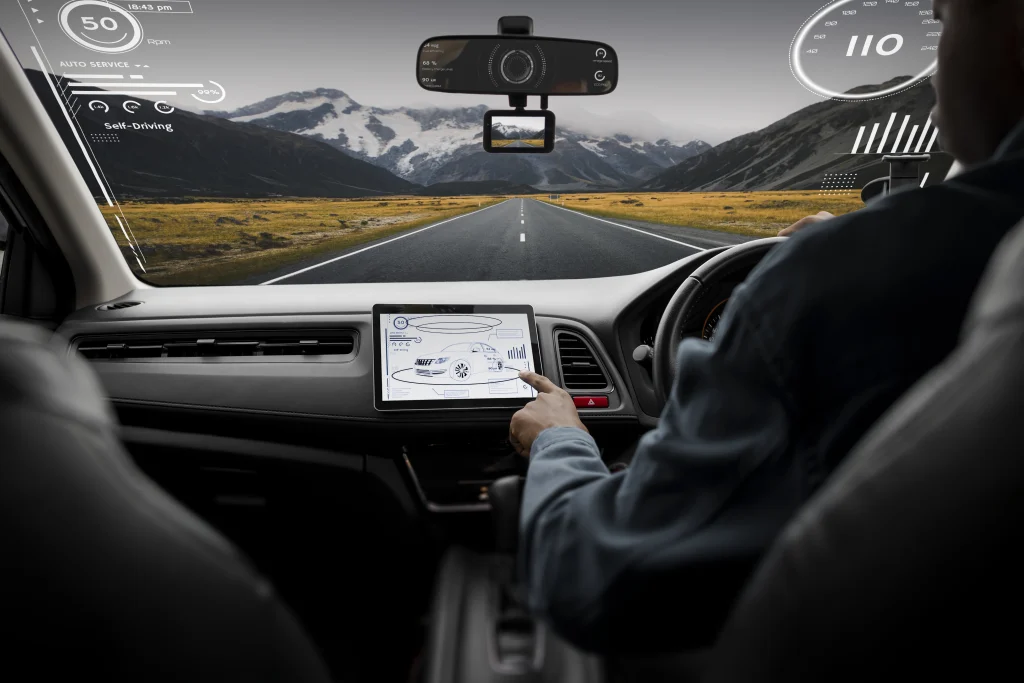
A camera installed inside or around a truck can record much more than a traffic incident. Depending on how it is configured, it may capture the driver’s face, conversations, behavior, location, schedules, and other elements related to their work activities.
When AI is also used, images can be automatically analyzed to identify certain behaviors. This can be useful for preventing accidents, but it also raises questions about what information is collected, how long it is retained, and who can access it.
The problem arises when technology stops being used exclusively to improve safety and begins to become a tool for continuous surveillance.
Main Privacy Risks
1. Excessive Data Collection
One of the main concerns is collecting more information than necessary. If a camera can record continuously, a company could end up storing large amounts of footage that have no connection to any safety incident.
A privacy-by-design approach recommends first asking what data is actually necessary and avoiding indiscriminate collection.
2. Secondary Use of Information
Data collected to prevent accidents could later be used for other purposes. For example, a recording created to investigate an accident could eventually be used to evaluate productivity, workplace behavior, or issues that were not originally part of the system’s intended purpose.
Clearly defining permitted uses can help reduce this risk.
3. Unauthorized Access
Recordings and data generated by AI systems can become sensitive information if they contain identifiable images, locations, or work patterns. Companies should therefore consider access controls, authentication, encryption, and other security measures to prevent data breaches or unnecessary access.
4. False Positives from Artificial Intelligence
AI is not infallible. A system may incorrectly interpret a movement, glance, or facial expression and generate an alert that does not accurately reflect what happened. If such alerts are automatically used to make employment-related decisions, a technological error can have consequences for the driver.
For this reason, an AI-generated alert should not automatically be considered definitive evidence of misconduct.
5. Surveillance Outside High-Risk Situations
Another concern arises when interior cameras remain active while the vehicle is parked or when the driver is resting. In such cases, the need to continue recording should be carefully evaluated. Privacy policies can establish when cameras should be active and when they should be deactivated or limited.
How Can Companies Mitigate These Risks?
Safety technology can be implemented more responsibly through a combination of technical, organizational, and transparency measures.
Define the Purpose Before Installing the Technology
Before implementing cameras or AI, a company should clearly determine what the system will be used for. If the goal is to detect fatigue and prevent accidents, for example, data collection should be designed around that objective rather than automatically becoming a general surveillance system.
Collect Only the Data That Is Necessary
Data minimization is one of the most important tools for protecting privacy. Not all information that can technically be collected needs to be stored. A company can assess whether it needs to retain complete recordings or only specific events, alerts, or footage associated with incidents.
Establish Retention Periods
It is also important to define how long recordings will be retained. There is no general reason to keep all footage captured by a fleet indefinitely. Retention periods should be based on specific needs, applicable legal requirements, and clearly established internal policies.
Limit Who Can Access Recordings
Access should be restricted to people who genuinely need it. For example, companies can establish separate access levels for those responsible for road safety, accident investigations, and technology systems administration. Maintaining access logs also makes it possible to determine who viewed specific information.
To technically protect the data, companies should consider measures such as:
- Encryption of stored and transmitted information.
- Strong authentication.
- User-based permission controls.
- Regular software updates.
- Access logging.
- Secure deletion of information once the retention period ends.
- Periodic security assessments of the systems.
In addition, transparency is essential. Truck drivers should know, before operating a vehicle equipped with these systems, what is being recorded, what the AI analyzes, who can access the data, how long it is retained, and how it may be used.
A clear and understandable privacy policy can generate greater trust than lengthy documents that workers may find difficult to interpret.
Maintain Human Oversight
When AI generates an alert about a driver, there should be a process for reviewing the context before taking significant action. Technology can serve as a support tool, but decisions with meaningful employment consequences should take into account the possibility of errors, exceptional circumstances, and the driver’s own explanation.
The discussion surrounding truck driver privacy does not mean that companies have to abandon cameras or artificial intelligence. On the contrary, responsible implementation can make these technologies more useful.
Privacy can also become an element of trust between drivers and companies. When workers understand the purpose of a technology and know that clear limits exist regarding how it can be used, they are more likely to perceive it as a safety tool rather than simply a means of control.
The key is to use technology to protect the driver, not simply to monitor them. When cameras and AI are implemented with transparency, data minimization, cybersecurity, human oversight, and clear rules governing their use, it is possible to move toward safer transportation without losing sight of the privacy of the people who keep the industry moving.
 Business hours: Monday to Friday from 8:00 AM to 5:00 PM. California time