 Hable con un agente al (888) 572-7520
 Enviar mensaje a un agente


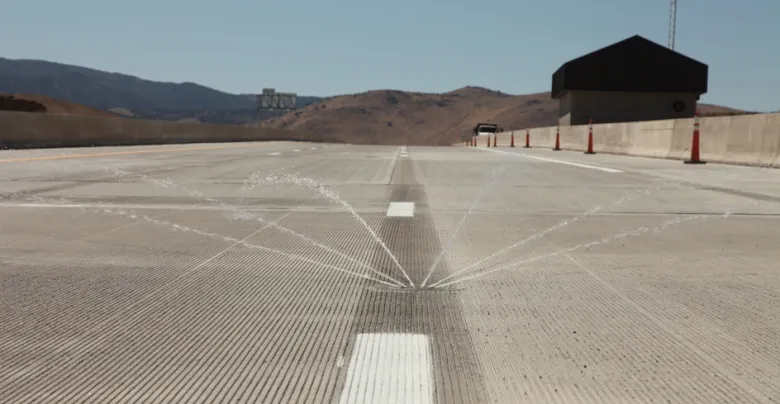

The Nevada Department of Transportation (NDOT) is preparing automatic ice prevention systems installed on four bridges along Interstate 580, south of Reno, for the upcoming winter season. Known as anti-icing technology, these systems detect conditions that could lead to freezing and apply chemical treatments to the pavement before ice begins to form.
Unlike traditional methods, which require maintenance trucks to spread salt or deicing materials, these systems operate automatically using sensors and spray nozzles embedded in the bridge surface.
The technology is particularly important for truck drivers because bridges can freeze before regular roadways, even when surrounding pavement appears dry and safe.
What Is Anti-Icing and How Does It Work?
Anti-icing is a preventive treatment designed to stop or delay ice formation on road surfaces.
In Nevada, the systems installed along I-580 use pavement sensors to identify conditions favorable for freezing. When temperatures and moisture levels indicate that ice could develop, small spray disks embedded in the concrete activate automatically.
These devices distribute a potassium acetate solution, a chemical compound that lowers water’s freezing point and helps prevent slippery ice from forming.
The main advantage is that treatment can begin before ice accumulates, without waiting for a maintenance crew to arrive.
However, the system does not completely eliminate freezing risks or guarantee that the pavement will remain ice-free under all weather conditions.
How Nevada Is Preparing Its Anti-Icing Systems for Winter
NDOT will conduct maintenance from October 27 through October 30 on four I-580 bridges between Mt. Rose Highway and the Bowers Mansion area, south of Reno.
This is not a new installation. Instead, crews are servicing existing technology that Nevada maintains annually before winter arrives.
The work includes cleaning and servicing the automatic systems to ensure the spray nozzles can properly distribute the anti-icing solution when weather conditions require treatment.
During the summer, these systems can use water to flush the nozzles and prevent dirt buildup. Before winter, they are prepared to operate with potassium acetate solution.
To complete the maintenance, NDOT will temporarily reduce traffic lanes along sections of I-580 between Mt. Rose Highway and the old US 395A Exit 16.
Work will take place daily from 8 a.m. to 3 p.m., with lane closures affecting one direction of the interstate at a time. The speed limit through work zones will be reduced to 55 mph, and moderate traffic delays are expected. The schedule remains subject to change.
Why Bridges Are Especially Dangerous for Trucks in Winter
During winter, bridges and overpasses can freeze before other sections of roadway because cold air circulates both above and below their structures.
This makes them particularly vulnerable to black ice, a thin, nearly transparent layer of ice that can be difficult to detect from a truck cab.
For heavy commercial vehicles, driving across these surfaces can significantly increase stopping distances and lead to loss of traction, skidding, or difficulty maintaining trailer control.
Anti-icing systems are designed to reduce these risks by treating pavement before dangerous ice develops.
However, transportation officials emphasize that technology does not replace standard winter driving precautions. Truck drivers should reduce speed when conditions require it, increase following distances, and remain alert to sudden temperature changes.
Technology That Complements Traditional Winter Road Maintenance
In addition to the automatic systems installed on these four bridges, Nevada uses other winter maintenance methods, including saltwater solutions, preventive road treatments, and specialized equipment to distribute materials across highways.
NDOT also operates road weather information systems that monitor air and pavement temperatures, helping maintenance teams plan their response to changing conditions.
What makes the I-580 bridges different is their ability to apply treatment directly to the pavement when sensors detect potential freezing conditions, without relying exclusively on maintenance vehicles reaching the location.
For truck drivers traveling between Reno and Carson City, these systems provide an additional layer of protection during the colder months.
Drivers can check current road conditions, restrictions, and winter weather alerts through Nevada’s official road information service.
Preparing the four I-580 bridges demonstrates how preventive maintenance and automated technology can help reduce one of winter driving’s most difficult hazards to detect: ice forming on the pavement.
Truck drivers can also check NDOT’s real-time traffic cameras before heading out.
 Business hours: Monday to Friday from 8:00 AM to 5:00 PM. California time