 Hable con un agente al (888) 572-7520
 Enviar mensaje a un agente


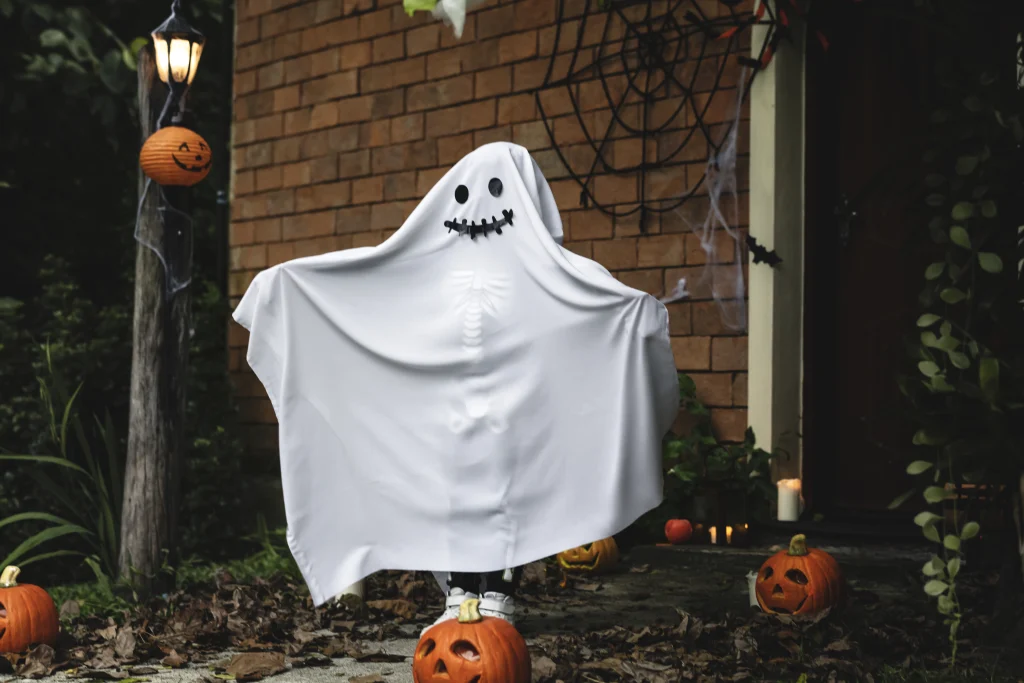

Halloween has become one of the most popular celebrations in the world. Every October 31, streets fill with glowing pumpkins, costumes, cobwebs, and spooky characters. But did you know that its origins date back more than 2,000 years? Long before candy and costume parties, this tradition had a very different meaning.
In this journey through the history of Halloween, we will discover how an ancient Celtic celebration eventually became a holiday celebrated in many corners of the world, while also evolving into one of the largest economic events in the United States.
The Celtic Origins of Halloween: Samhain
To discover the origins of Halloween, we must travel back to ancient Celtic culture, particularly to the regions we now know as Ireland, the United Kingdom, and parts of France. More than two millennia ago, the Celtic people celebrated what was known as Samhain, a festival marking the end of the harvest season and the beginning of winter. It was celebrated on the night of October 31 and represented a transition between light and darkness.
According to their beliefs, during this night, the boundary between the world of the living and the world of the dead became thinner, allowing spirits to return to the earthly realm. People lit bonfires on hilltops to rekindle the fires in their homes in preparation for winter and possibly to ward off evil spirits. Sometimes, people wore masks and other disguises to avoid being recognized by the ghosts believed to be wandering among them.
The period of Samhain was also considered an ideal time for divination concerning matters such as marriage, health, and death. According to information from Britannica, when the Romans conquered the Celts of Britain in the first century AD, they brought with them their own festival of Feralia, which commemorated the passing of the dead, as well as traditions associated with Pomona, the goddess of fruit trees and orchards. These influences helped pave the way for new traditions.

From Samhain to Halloween: The Christian Influence
Centuries later, as Christianity spread, some pagan traditions became intertwined with religious celebrations. Some historians also trace the origins of Halloween as we know it today to the eighth century, when the Church established All Saints’ Day. The night before All Saints’ Day, October 31, later became known as All Hallows’ Eve, an expression that gradually evolved into the word Halloween.
In this way, an ancient Celtic festival gradually transformed, taking on new customs and meanings.
Halloween Crosses Borders and Spreads Around the World
During the 19th and 20th centuries, Halloween became especially popular in the United States, where traditions such as the famous trick-or-treating, costume parties, and decorating homes and businesses began to emerge. One of Halloween’s most recognizable symbols is the carved pumpkin, featuring a frightening face and a candle inside.
This tradition has its roots in an old Irish legend known as Jack-o’-lantern. According to popular folklore, Jack was a cunning man who managed to trick the devil. After his death, he was condemned to wander with a glowing ember inside a hollowed-out turnip, which lit his way.
Irish immigrants brought this tradition to the United States during the 19th century. There, they discovered that pumpkins were more abundant and easier to carve, eventually making them the quintessential symbol of Halloween.
Over time, the celebration crossed borders and reached different countries, adapting to local traditions. In Mexico, for example, Halloween coexists with Día de Muertos (Day of the Dead), celebrated on November 2. Although the two festivities have different origins and meanings, they take place around the same dates and share elements associated with remembering those who have passed away.

A Journey Through History That Continues Around the World
Halloween has come a long way from its ancient Celtic celebrations to becoming an international cultural phenomenon. Today, every October 31, millions of people take part in this tradition, which combines history, mystery, creativity, and fun.
And just as with any great road trip, Halloween reminds us that behind every destination lies a story worth discovering. This year, when you see a glowing pumpkin or a costume making its way down the street, remember that you are witnessing a tradition with more than two thousand years of history.
Happy Halloween and safe travels!
 Business hours: Monday to Friday from 8:00 AM to 5:00 PM. California time