 Hable con un agente al (888) 572-7520
 Enviar mensaje a un agente


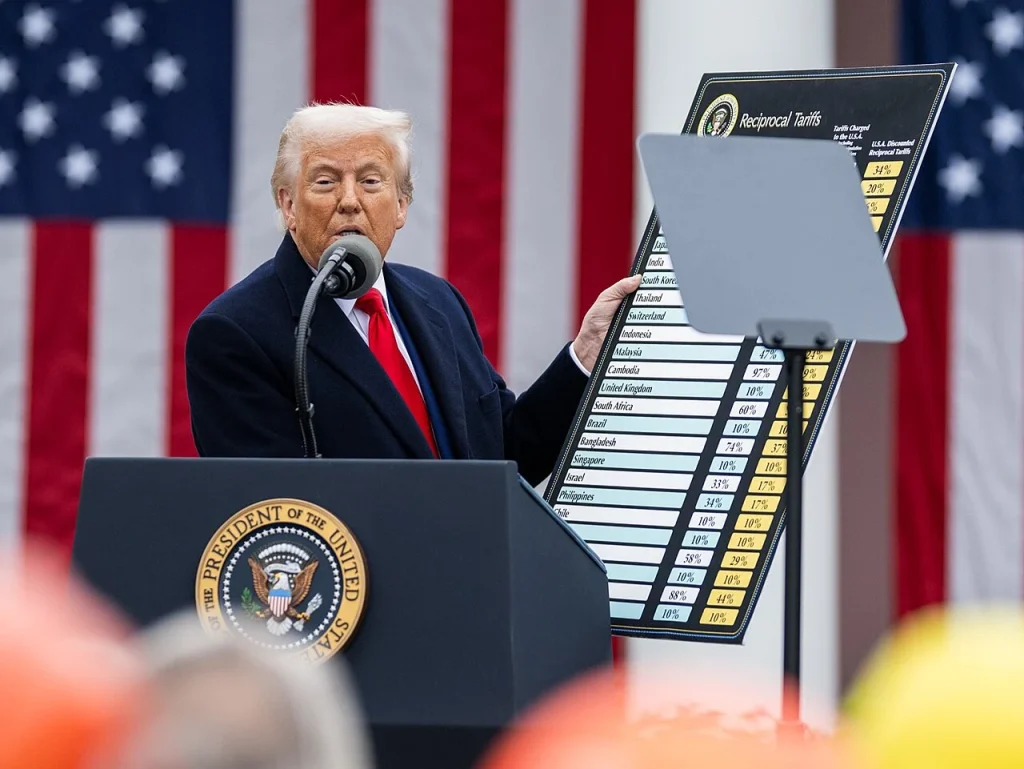

The President of the United States, Donald Trump, plans to impose new tariffs on imports from China, the European Union, and 12 other economies as part of his strategy to reinstate his protectionist trade policy, months after the Supreme Court declared part of his previous tariff agenda unconstitutional.
The new proposal includes different rates for Washington’s main trading partners. According to information from the Office of the United States Trade Representative (USTR), Chinese products would face a 20% tariff, while imports from the European Union would be subject to a 15% rate.
However, these percentages could increase during trade negotiations. In the case of China, the tariff could reach 40%, while European products could face rates of up to 20%, depending on the terms of the agreements reached with Washington.
Countries Facing Trump’s New Tariffs
The U.S. proposal includes economies in Asia, Europe, and other regions. The countries affected include China, Japan, South Korea, India, Indonesia, Malaysia, Singapore, Thailand, Vietnam, Cambodia, Bangladesh, Switzerland, and Taiwan, in addition to the European Union.
The proposed rates vary depending on each trading partner. According to reports, they would be as follows:
- China: 20%, with the possibility of increasing to 40%.
- European Union: 15%, with the possibility of reaching 20%.
- Japan and South Korea: 15%, with the possibility of increasing to 20%.
- Switzerland: 15%, with the possibility of reaching 20%.
- India: 17% if a trade agreement is finalized, although it could increase to 25%.
Brazil would also face tariff changes. And Washington is considering increasing duties on raw and refined sugar imports, in addition to proposing a 10% tariff on finished aircraft.
Meanwhile, the proposed measures for Mexico and Norway are still under consideration.
Section 301: The Legal Mechanism for Imposing Tariffs
The new tariffs are part of an investigation launched in March under Section 301 of the Trade Act of 1974. This mechanism allows the U.S. government to impose trade measures when it identifies foreign practices it considers unfair or harmful to its industries. Accordingly, the Trump administration argues that the economies involved maintain levels of industrial overproduction that undermine the competitiveness of American companies.
Unlike the previous tariffs, which were struck down by the Supreme Court in February, this procedure provides a different legal avenue for implementing trade restrictions, although it requires longer investigations and public consultations. Therefore, a final decision could be announced in January, after receiving public comments and making progress in negotiations with the countries involved.
U.S. Trade Representative Jamieson Greer stated that the Chinese and U.S. governments are working on potential tariff reductions covering approximately $30 billion in non-sensitive exports. The proposal includes certain exemptions, such as oil, gas, certain foods not produced in the United States, pharmaceuticals, and critical minerals.
The Future of International Trade
The initiative represents a new challenge for U.S. trading partners, which have so far prioritized negotiations to reduce the impact of tariff measures. Although Washington maintains that the final rates will comply with existing agreements, potential increases could change trade conditions, raise import costs, and create new tensions among the world’s leading economies.
The outcome of the consultations and negotiations will be crucial in determining the final scope of this trade policy and its consequences for international supply chains.
 Business hours: Monday to Friday from 8:00 AM to 5:00 PM. California time