 Llame al (888) 572-7520 para hablar con un agente
 Enviar mensaje a un agente
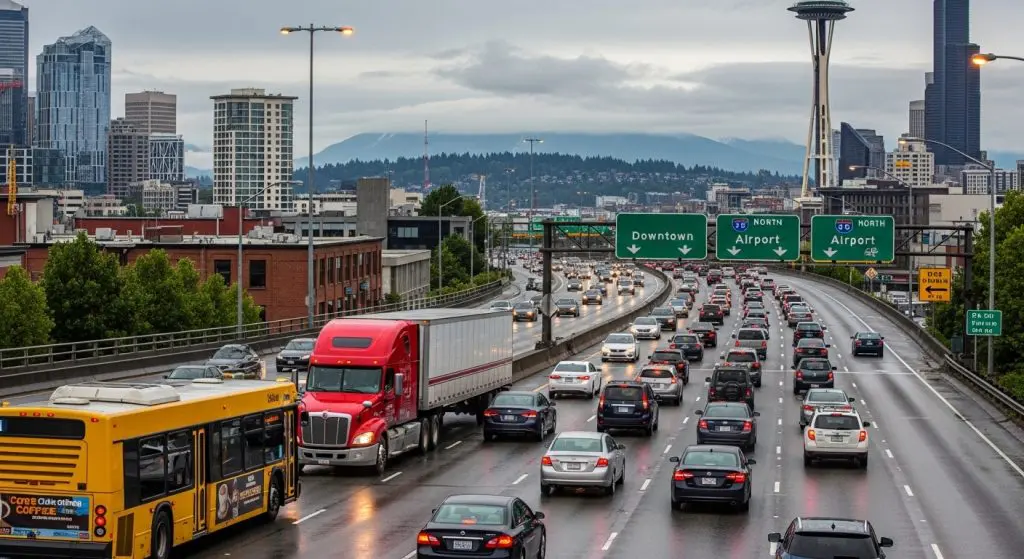

The United States government has announced a federal investment of more than $100 million to strengthen public transportation systems in cities hosting matches of the 2026 FIFA World Cup. The initiative is designed to prepare urban infrastructure for the arrival of millions of visitors during one of the largest sporting events in the world.
The announcement was made by U.S. Transportation Secretary Sean P. Duffy, who confirmed that the funding will be distributed through the Federal Transit Administration (FTA), an agency of the United States Department of Transportation (USDOT). In total, $100.3 million will be allocated to public transit systems operating in cities that will host World Cup matches.
The primary goal of the investment is to allow host cities to expand transportation capacity and ensure that millions of fans can travel safely and efficiently to stadiums, tourist areas and city centers during the tournament.
Preparing for one of the world’s largest sporting events
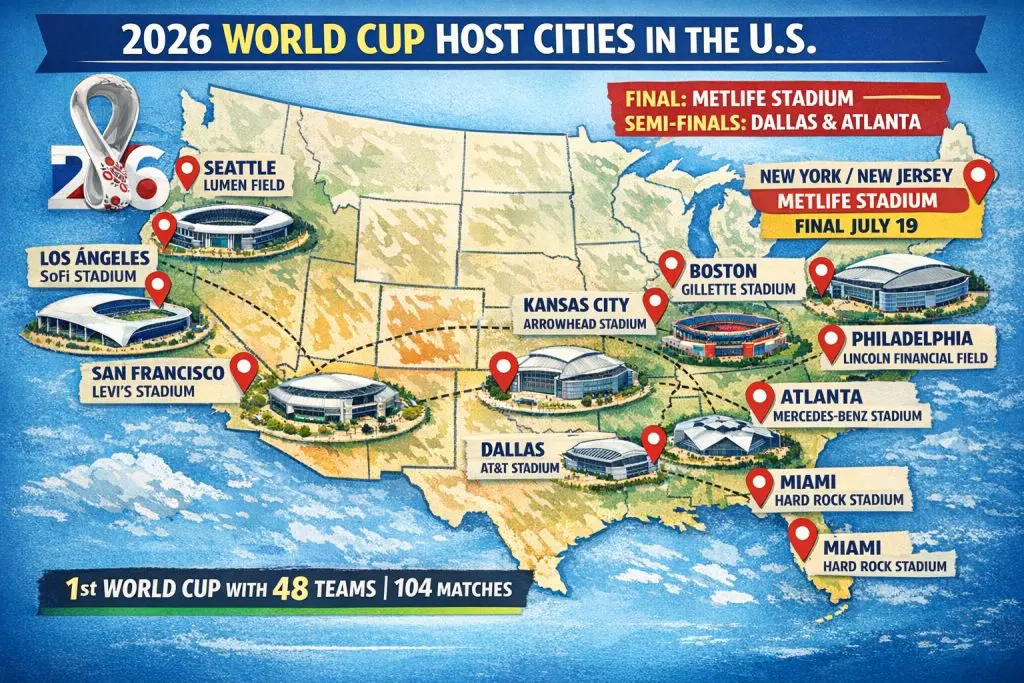
The 2026 World Cup will mark a historic milestone for international soccer. For the first time, the tournament will feature 48 national teams, significantly expanding the scale of the event. Matches will be held across multiple North American cities, with the United States serving as the primary host.
This expansion will generate a massive flow of international travel. Millions of fans, journalists, athletes, sponsors and temporary workers are expected to move between host cities throughout the tournament.
In the United States, host cities include major metropolitan and logistics hubs such as New York/New Jersey, Los Angeles, Dallas, Miami, Atlanta, Seattle, Houston, Kansas City, Boston, Philadelphia and the San Francisco Bay Area.
Each of these regions must prepare their transportation infrastructure to handle a sharp increase in passenger demand over several weeks. Subway networks, commuter rail systems, bus services and intermodal connections will need to operate at higher frequencies and with greater capacity than usual.
Federal funding is intended to accelerate these improvements and support local transit agencies in planning operations for the event.
Strengthening urban mobility systems
From an urban mobility perspective, the funding will help cities expand transit routes, increase service frequency and improve connectivity between stadiums, airports, train stations and hotel districts.
Some of the investment may also support passenger information systems, signage improvements and coordination between different transportation modes.
For events on the scale of a World Cup, public transportation becomes a critical component of city operations. Past tournaments have demonstrated that cities prioritizing mass transit are better able to reduce congestion and maintain efficient urban mobility during major international events.
What it means for logistics and freight transportation
While the announcement focuses on public transit, the implications extend directly to logistics, freight transportation and supply chain operations.
Major sporting events significantly alter urban mobility patterns. During the 2026 World Cup, host cities are expected to experience:
- Increased traffic on urban highways and metropolitan freight corridors
- Temporary restrictions in areas surrounding stadiums
- Enhanced security checkpoints and traffic diversions
- A surge in delivery demand from hotels, restaurants and retail businesses
For logistics companies and freight operators, these changes will require adjustments in routing, delivery schedules and operational planning.
Fleets operating in large metropolitan areas will need to anticipate congestion on match days, particularly near stadium districts and tourism zones. Coordinating deliveries during off-peak hours and using real-time traffic monitoring systems will become essential strategies to avoid delays.
At the same time, the World Cup will generate a significant rise in logistics demand. The transportation industry will be responsible for moving sports equipment, temporary infrastructure, event materials, food and beverage supplies, merchandise and operational resources for thousands of businesses serving international visitors.
This increase in activity may translate into higher freight volumes and new commercial opportunities for logistics providers and trucking companies.
Planning and coordination will be critical
The federal funding announcement is part of a broader strategy to ensure the United States can manage the logistical and operational impact of the tournament.
Federal, state and local authorities will need to coordinate closely with transit agencies, airports, logistics companies, rail operators and trucking firms to minimize disruptions while maintaining the movement of both passengers and goods.
In the coming months, host cities are expected to release more detailed operational plans that will include traffic management strategies, public transit expansions and adjustments to urban logistics.
For the transportation industry, the 2026 World Cup represents not only an operational challenge but also an opportunity to demonstrate the resilience and capacity of the U.S. logistics system during one of the largest global events ever hosted in North America.
The planning process now underway will be essential to ensure that millions of fans reach stadiums on time while supply chains continue operating efficiently across the country.
 Business hours: Monday to Friday from 8:00 AM to 5:00 PM. California time