 Llame al (888) 572-7520 para hablar con un agente
 Enviar mensaje a un agente
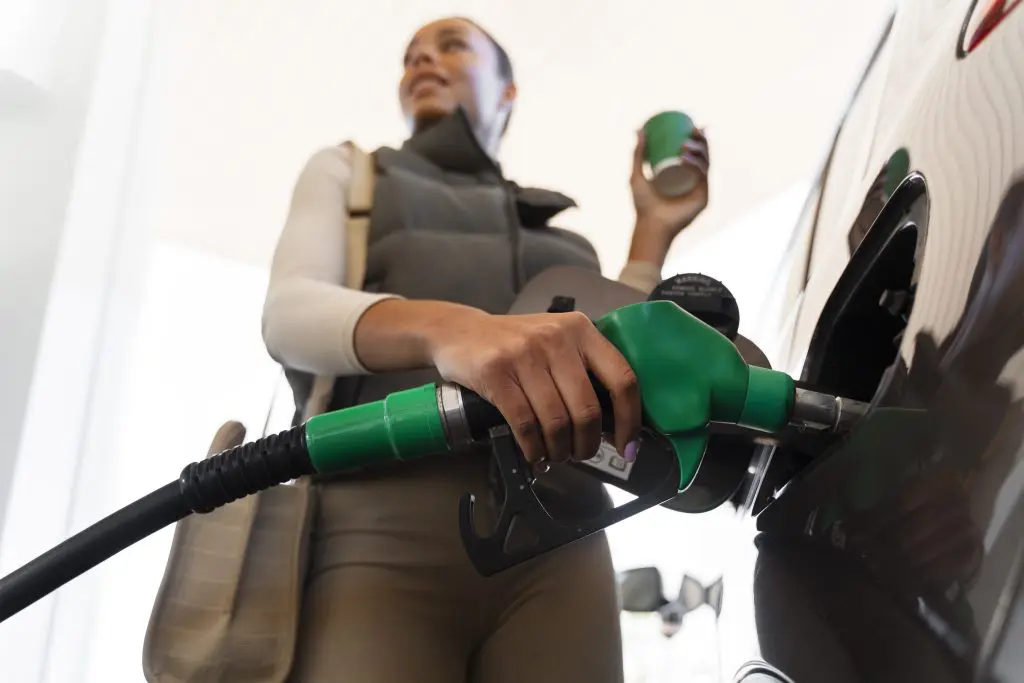

In response to recent increases in fuel prices, lawmakers in several states have been working to adopt measures that temporarily suspend fuel taxes. The goal is to reduce the impact of rising costs on American drivers.
On March 20, Georgia Governor Brian Kemp signed a law suspending fuel taxes for motor vehicles for 60 days. Many states are seeking to follow a similar path, including Indiana, Connecticut, New York, and California—the state that has seen the highest prices during this crisis.

States seek to implement temporary fuel tax exemptions
Indiana
Governor Mike Braun announced a temporary exemption from the gasoline tax; however, diesel will not be included. The emergency declaration temporarily suspends the 7% state excise tax. The exemption will last 30 days, remaining in effect until May 8.
Connecticut
Senate President Martin Looney and Senate Majority Leader Bob Duff urged Governor Ned Lamont to implement an immediate one-month suspension of the state’s 25-cent-per-gallon gasoline excise tax. On March 25, Lamont established that state excise taxes on motor fuels would remain in effect through June 30.
New York, Virginia, and Florida
In several U.S. states, lawmakers have proposed temporarily suspending fuel taxes due to rising prices. In New York, legislators requested that the governor implement an exemption for gasoline and diesel, while in Virginia, Republicans pushed for a 90-day suspension.
In Florida, Democrats criticized the governor for rejecting a similar measure. In all three states, the proposals are still awaiting an official response from authorities.
California
California lawmakers continue to face setbacks, as they have not been able to advance Assembly Bill 1745, which aims to suspend the state fuel tax on motor vehicles. The bill has remained stalled in a transportation committee since being introduced in February by Republican Assemblymember Jeff González. The measure sought to suspend fuel taxes for one year.
Georgia
In Georgia, in addition to the 60-day suspension of gasoline and diesel taxes, motor carriers benefit from an additional exemption under the International Fuel Tax Agreement (IFTA).
IFTA-licensed carriers are not required to pay state fuel taxes during this period, allowing them to purchase qualifying fuel tax-free and record miles traveled in the state without being taxed. However, they must still file IFTA reports, and miles traveled in Georgia between March 20 and May 19 must be reported as non-IFTA miles.
 Business hours: Monday to Friday from 8:00 AM to 5:00 PM. California time