 Llame al (888) 572-7520 para hablar con un agente
 Enviar mensaje a un agente
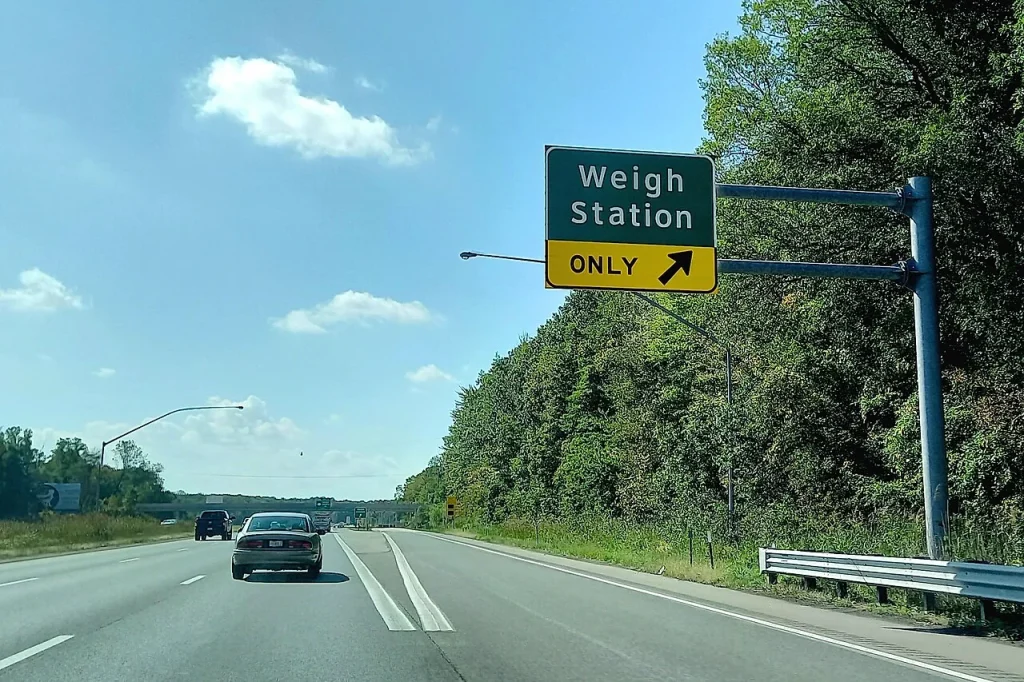

The inaugural Mile Marker report by the PrePass Safety Alliance, a new annual series aimed at measuring the impact of weigh station bypass technology in the United States, reveals significant operational benefits accumulated over nearly three decades. According to this analysis, from 1997 to January 2026, nearly 1.17 billion weigh station bypasses have been recorded, generating approximately $12.5 billion in savings for transportation fleets.
The study evaluates key indicators such as driving time, fuel consumption, and CO2e emissions. The analysis shows that, on average, each bypass reduces driving time by seven minutes, saves half a gallon of fuel, lowers operating costs by $10.65, and avoids the emission of 0.00509 metric tons of CO2e.
2026 National Bypass Impact Index: savings in driving hours, fuel, and emissions
According to data from the PrePass Safety Alliance, over the nearly 30 years studied, these benefits translate into a total of nearly 136.5 million driving hours saved—equivalent to two million workweeks—as well as fuel savings comparable to the annual consumption of 3.8 million passenger vehicles.
The first edition of the 2026 National Bypass Impact Index focuses on weigh station bypassing, based on more than 1.6 billion recorded bypass events across 40 states. These are the quantifiable benefits identified by the study:
- 16 billion passes through bypass lanes
- $12 billion in operational cost savings
- 136 million driving hours saved
- 584 million gallons of fuel saved
- 1 million metric tons of CO2e emissions avoided
- $1.3 billion reinvested in weigh station infrastructure by the PrePass Safety Alliance
The report also highlights a positive impact on road safety. By allowing compliant vehicles to bypass inspection points, authorities can focus their efforts on higher-risk units. This enables more targeted inspections, reduces wait times, and optimizes resource use. Likewise, keeping low-risk trucks moving contributes to a more stable traffic flow, with less congestion and safer conditions for carriers, motorists, and emergency services.
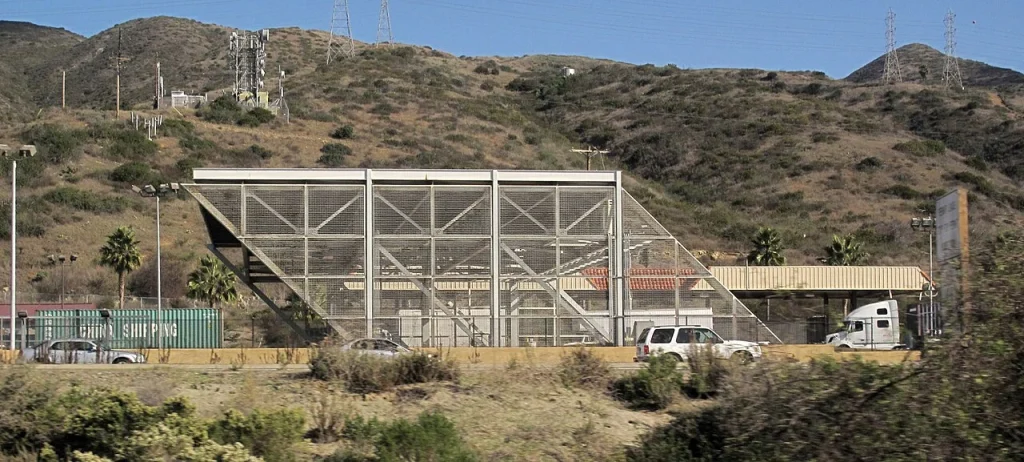
A comprehensive view for strategic decision-making
Another objective of the report is to provide a nationwide, comprehensive perspective to support strategic decision-making. By integrating data that is typically analyzed separately by each state, the report makes it possible to identify opportunities that only become visible when looking at the full picture. This consolidation of information is intended to serve as a reference for improving policies, strengthening oversight strategies, and demonstrating the benefits of collaboration between the public and private sectors.
Finally, the report emphasizes that advances in mobile technology are expanding possibilities for both authorities and operators by enabling more agile implementations, reducing infrastructure costs, and extending the reach of inspections to a greater number of locations.
“For states, this represents a smart investment in new technologies. For fleets, it translates into smoother bypassing and fewer delays, without the need for additional hardware,” the report concludes.
 Business hours: Monday to Friday from 8:00 AM to 5:00 PM. California time