 Llame al (888) 572-7520 para hablar con un agente
 Enviar mensaje a un agente
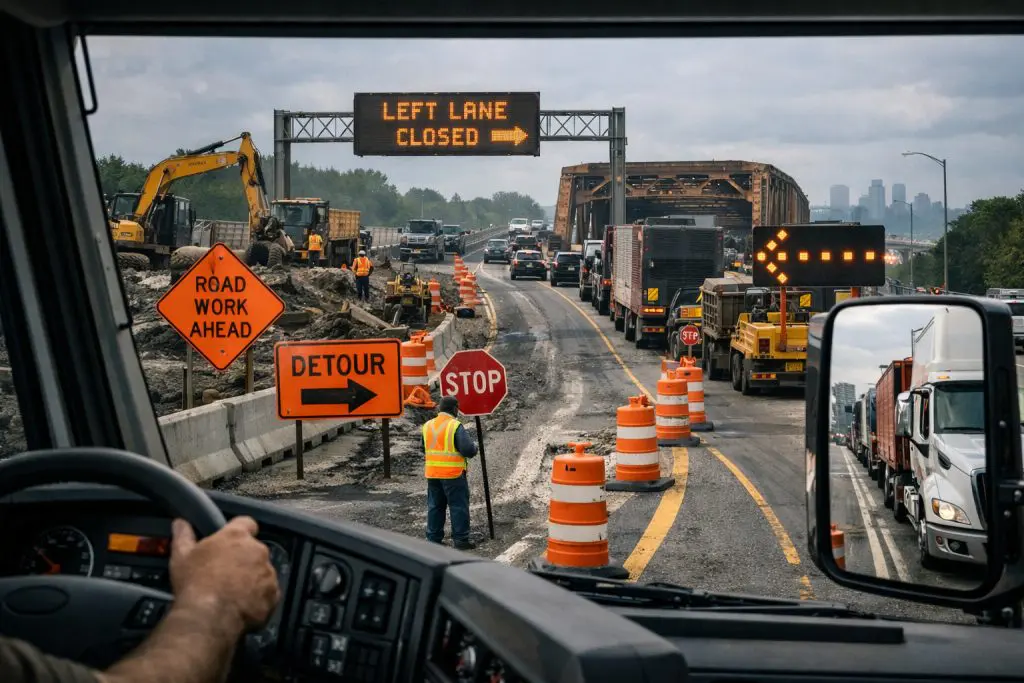

Let’s talk about roads. In the United States, the debate about highways is no longer purely technical but very real for those who live and breathe trucking: how often their vehicles break down, how many hours are lost in traffic jams, and what risks are involved in crossing an aging bridge. Recent reports from the Department of Transportation and civil engineers paint a clear picture: the world’s largest road network is operational, but under immense pressure, which is felt on every trip.
According to the American Society of Civil Engineers (ASCE), which periodically rates the country’s infrastructure, U.S. highways received a D+ grade in 2025—just above failing. The report notes that the United States has approximately 4.1 million miles of public roads and that about 39% of major highways are not in optimal condition. For any trucker, this translates to more potholes, more vibrations, and increased wear and tear on tires and suspension.
The ASCE warns that congested or deteriorated road surfaces cost the average driver about $1,400 a year in repairs, extra fuel, and lost time. For a trucker who drives every day, that cost can be even higher, impacting the profit margins of transportation companies and owner-operators. Although the situation has improved somewhat compared to 2020, when 43% of the roads were in poor or mediocre condition, the report itself points out that there is still a huge amount of work to be done.
A snapshot of the roads
From the official perspective, the report “Status of the Nation’s Highways, Bridges, and Transit: Conditions and Performance”, which the Federal Highway Administration (FHWA) submits to Congress, offers another worrying picture. In its most recent edition, the document shows that simply to maintain the current conditions of the roads and bridges, the country should invest much larger sums each year than are actually being spent. In the “Improve conditions and performance” scenario, the FHWA estimates annual needs on the order of $165.9 billion, of which more than $100 billion should be allocated just to repairing and maintaining the existing network.
That same report indicates that, with the right level of investment, the average pavement roughness on federally funded highways could improve by more than 16% over the next 20 years. The percentage of bridges in poor condition would also decrease, along with delays per mile traveled. But if investment falls short, the result will be the opposite: more stretches with deteriorated surfaces and more bottlenecks for freight transport.
The issue of bridges deserves special mention for any truck driver. According to data compiled by the Bureau of Transportation Statistics and the FHWA itself, there are more than 600,000 bridges in the United States, a significant portion of which are already over 50 years old. The ASCE estimates that around 7.5% of the nation’s bridges are classified as structurally deficient or in “poor” condition. This doesn’t mean they are about to collapse, but it does mean they require major repairs and are at greater risk of closures or weight restrictions, which is crucial for heavy trucking.
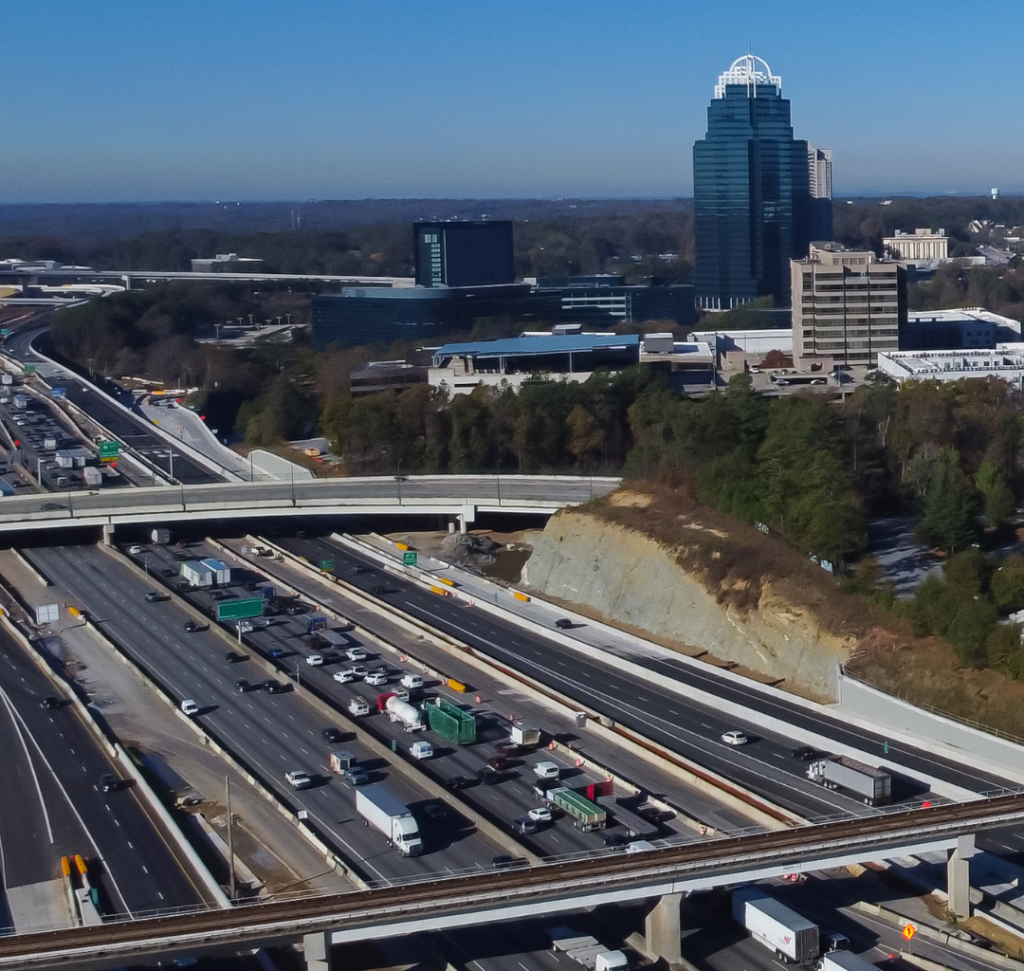
The backlog of pending bridge repairs is estimated at around $125 billion, and annual rehabilitation spending would need to increase by approximately 58% to begin improving the situation. For a trucker, this is felt when a key viaduct is under construction, the number of lanes is reduced, or detours are imposed, adding more miles and fuel. Every restriction or closure adds time to the route and reduces the profitability of the trip.
The Federal Highway Conditions and Performance Report also analyzes the impact of congestion on highways, particularly in urban corridors and key sections of the interstate system. Under a scenario of sufficient investment, the FHWA projects that the average delay time per mile could be reduced by about 25% over two decades. If congestion remains high, trucks will continue to be stuck in the same bottlenecks, with delayed deliveries and more wasted driving hours.
For truckers and carriers, who typically operate on long-haul routes as well as in urban distribution, this reality translates into daily decisions. Choosing between a shortcut on a secondary road with deteriorated pavement or staying on a congested interstate has a direct impact on the cost per mile. Statistics show that road deterioration and the age of bridges are especially concentrated in states with high freight traffic, so the Spanish-speaking communities working in transportation experience it firsthand.
Road Investment
At the same time, the reports acknowledge progress. The ASCE highlights that recent infrastructure laws, such as the federal package passed in recent years, have injected hundreds of billions of dollars to improve roads and bridges. This is already evident in repaving projects, lane widening, and viaduct modernization in various states, although the sheer scale of the system means that the effects take time to be felt on all routes.
For the transportation sector, the message from these assessments is twofold. On the one hand, the United States’ highways remain the backbone of domestic trade, but they show signs of wear and tear that make each trip more expensive and increase risks. On the other hand, there is a window of opportunity: if the promised funds are disbursed and freight corridors are prioritized, the coming years could bring smoother pavements, fewer bridges with restrictions, and more predictable travel times.
In a context of tight rates and rising costs, understanding what these official reports say can be a competitive advantage for truckers. Knowing where the worst roads are concentrated, which states have the most aging bridges, and how investments are evolving helps them plan routes, negotiate rates, and, above all, demand that the voices of those who live along the roads be heard when decisions are made about where and how to invest in highway infrastructure.
 Business hours: Monday to Friday from 8:00 AM to 5:00 PM. California time