 Llame al (888) 572-7520 para hablar con un agente
 Enviar mensaje a un agente

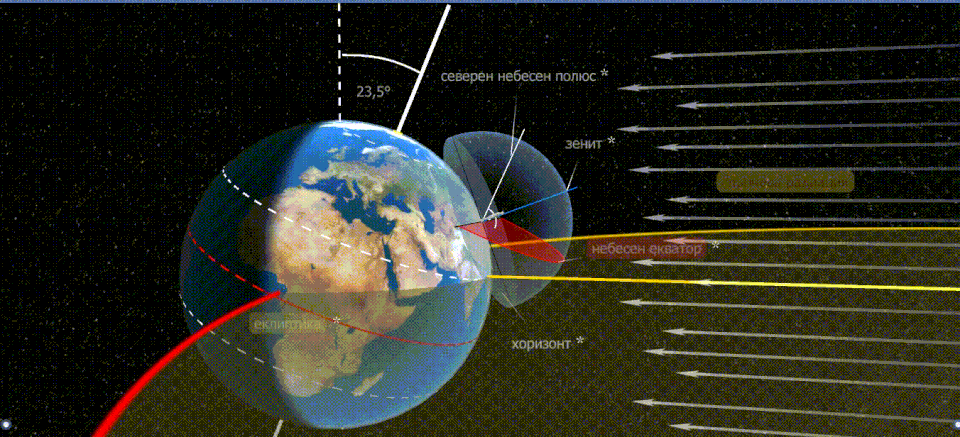
The Northern Hemisphere welcomes spring on Friday, March 20, the day marked by the arrival of the spring equinox. Also known as the vernal equinox, this time of year corresponds to the moment when the Sun crosses directly over the Earth’s equator. During this instant, most places on Earth experience nearly equal hours of daylight and darkness. This event occurs once a year in March in the Northern Hemisphere, while in the Southern Hemisphere it takes place in September.
In some cultures, the spring equinox is associated with planting, purification, and new beginnings. For this reason, today it serves as a reminder to create balance and harmony in our lives, letting go of what no longer serves us and making space for fresh starts, allowing the light of longer days into our lives.

The science behind the spring equinox
Although March 21 was traditionally considered the start of spring, astronomers have determined that March 20 is actually the date when the equinox occurs across all time zones in North America. Therefore, March 20 officially marks the beginning of the spring season.
This shift is due to the fact that the calendar year does not exactly match the true length of Earth’s orbit, as it is not made up of a whole number of days. Leap years also contribute to slight variations in the calendar.
In addition, Earth’s elliptical orbit and the tilt of its axis gradually change over time in a phenomenon known as precession. This causes Earth’s axis to point in slightly different directions over the years, altering the timing at which key points in its orbit are reached.
Since the seasons are defined by 90-degree intervals in Earth’s orbit around the Sun, these changes directly affect the date and time when equinoxes and solstices occur. The gravitational pull of other planets also exerts a subtle influence on Earth’s position in its orbit.
In the Northern Hemisphere, spring lasts approximately 92.77 days, making it the longest season. In comparison, winter has an average duration of 88.99 days. Altogether, the four seasons add up to about 365.24 days, another reason why the equinox date can shift.
Activities to welcome the spring equinox: renewal and motivation
The arrival of spring is not just a seasonal change. For many people, the equinox represents a natural reset point. With more daylight hours and warmer temperatures, people often feel more energized, productive, and motivated.
In this way, the spring equinox, beyond making us feel good physically and emotionally, can also be a moment for reflection—to bring balance to our lives, our emotions, and our surroundings. Many cultures hold specific celebrations on this date, while others use it as an opportunity for personal renewal.
If you’re looking to refresh yourself this spring equinox, here are some ideas to welcome the season on the right foot. Start fresh, enjoy the weather, and embrace spring with a positive mindset.
1. Enjoy the sunlight
This season brings longer days and more sunshine. To welcome the equinox, try spending time outdoors, soaking up some sun, and listening to birdsong. It’s a simple activity that can boost your energy and improve your mood. Don’t forget to wear sunscreen and stay hydrated.
2. Reconnect with nature
Spring is a time when nature blooms and renews itself. Taking time to reconnect with it can positively impact your daily well-being. Go for a walk, buy flowers, watch the sky, plan a picnic, or visit natural spaces. These small actions can help you feel more in tune with your surroundings.

3. Try a new mindfulness or meditation practice
The equinox itself offers a natural pause and a fresh start. This is an ideal time to create space to connect with your spirituality. Practicing meditation or mindfulness exercises can help you become more aware of your surroundings, disconnect from daily stress, and feel more connected to the universe.
4. Spring cleaning
One of the most common equinox traditions is “spring cleaning.” While it often involves a deep cleaning of the home, you don’t have to tackle everything at once to feel renewed. Cleaning little by little can also boost productivity and help refresh your space. Decluttering is especially beneficial during this season.
5. Connect with your body and your surroundings
Beyond strengthening our connection with nature and the universe, the equinox is also an opportunity to reconnect with ourselves. A simple way to do this is through movement: morning stretches, an afternoon walk, dancing, or simply walking can help keep us active and in tune with our bodies.
Taking advantage of longer, warmer days, and the natural boost in energy, can also be a great time to pause and evaluate how things are going. Give yourself space to reflect on the changes you want to see in your life and how you can work toward achieving them.
 Business hours: Monday to Friday from 8:00 AM to 5:00 PM. California time