 Llame al (888) 572-7520 para hablar con un agente
 Enviar mensaje a un agente

Interstate 70 Truck Automation Corridor
The “Interstate 70 Truck Automation Corridor” project, led by the Ohio and Indiana Departments of Transportation and announced in March 2024, is moving forward. Last year in April, it was launched with two automated trucks using platooning technology. This March, a second group of automated trucks set to operate on I-70 was announced.
According to a press release, the project includes three automated trucks making deliveries for Nussbaum Transportation and has a cost of $8.8 million, funded by a grant from the U.S. Department of Transportation (DOT). The Truck Automation Project is one of several DOT initiatives aimed at accelerating the deployment of these vehicles in U.S. fleets.
“We are witnessing a fundamental shift in road safety,” said Pam Boratyn, director of the Ohio Department of Transportation.
It was decided that the trucks would operate in a real-world Midwestern environment, as these conditions are key to evaluating the safety and reliability of automated truck technology. As with the previous deployment, the trucks will have professional drivers behind the wheel to monitor and handle any unexpected situations.
The project aims to improve efficiency and make roads as safe as possible. “This technology helps prevent crashes, protect lives, and reduce the risks faced by drivers on the road,” said Charles A. Jones, superintendent of the Ohio State Highway Patrol.
Tesla’s Autonomous Driving System Under NHTSA Investigation
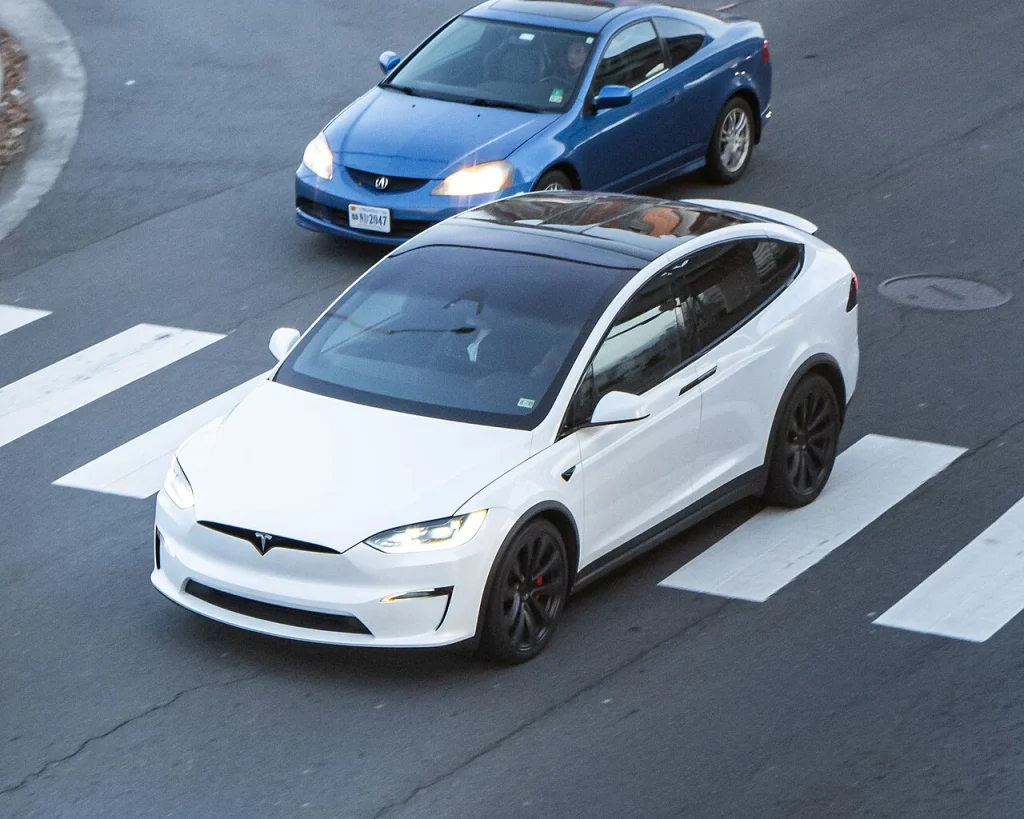
The investigation into Tesla Inc.’s partially automated driving system, “Full Self-Driving,” has intensified by U.S. road safety regulators following multiple crashes that raised concerns about the technology’s ability to operate safely in low-visibility conditions.
The National Highway Traffic Safety Administration (NHTSA) has escalated its probe, launched in 2024, to what it calls an engineering analysis. This step could serve as the basis for a potential recall of affected Tesla vehicles, potentially impacting the company’s future autonomous driving and robotaxi projects.
A memorandum announcing the investigation reports nine crashes linked to the automated system, in addition to four previously identified at the start of the probe in 2024. According to the agency, in these cases the FSD system failed to recognize common roadway conditions that reduced visibility and did not issue warnings when camera performance deteriorated immediately before the crashes.
The NHTSA also noted that Tesla cited “limitations in data and labeling” when attempting to identify additional similar incidents. According to the agency, this may have led to underreporting of crashes during certain periods.
Idaho Eliminates “Differential Speed” Rule
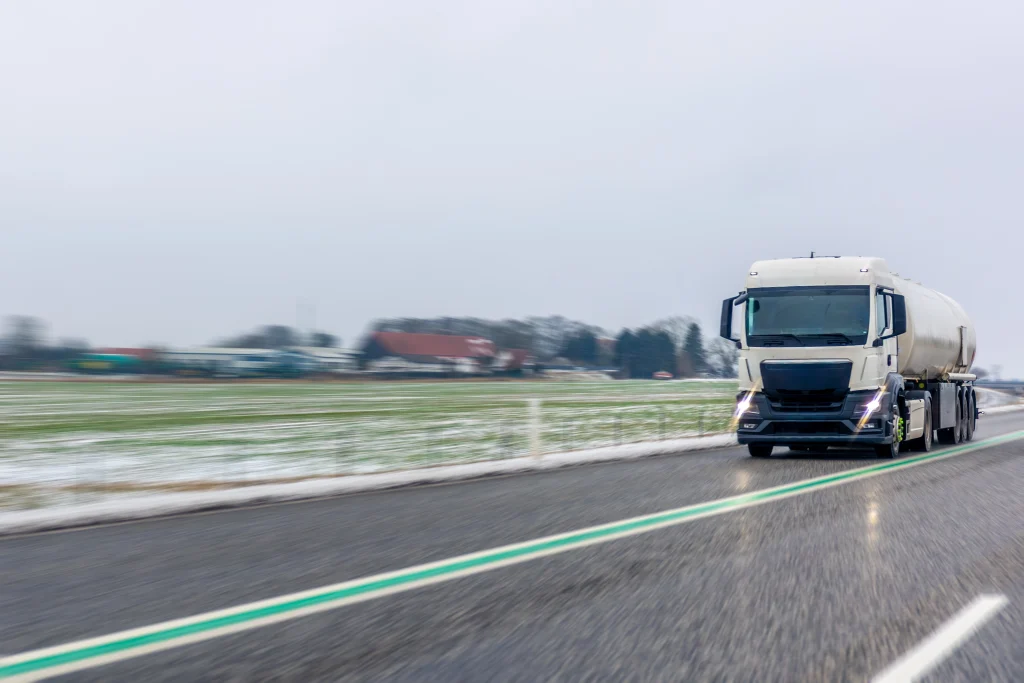
After more than 25 years of enforcing a “differential speed” rule for truck drivers, a newly approved bill in Idaho seeks to eliminate the policy, allowing trucks to travel at the same posted speed limits as passenger vehicles instead of 5 to 15 miles per hour slower.
Currently, five western states require trucks to move at lower speeds while cars pass them at higher speeds. On rural interstate highways, cars may travel at 75 or even 80 mph, while trucks are limited to 70 mph. In urban areas, the limit is 65 miles per hour.
Representative Doug Pickett told lawmakers that focusing on speed limits misses the real issue in road safety, as speed differences create more dangerous interactions, congestion, and risky maneuvers.
Studies suggest that a 10 miles per hour gap can significantly increase these risks, although critics warn that faster-moving trucks could lead to more severe crashes. Still, supporters emphasize that the law would not force trucks to go faster—it would simply remove the requirement for them to go slower, leaving speed decisions to individual companies.
 Business hours: Monday to Friday from 8:00 AM to 5:00 PM. California time