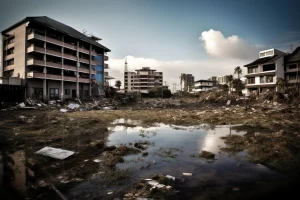
For those who continue their activities during a tornado alert, there are some steps to take to protect themselves
April has begun with weather alerts in the Midwestern states of the United States. A dangerous storm system is moving through parts of the Ohio Valley and the Northeast, bringing heavy rain, isolated tornado threats, and snow. Severe weather conditions are forecasted in Ohio, Middle Tennessee, and the Southeast, with multiple rounds of storms expected throughout the day and into the night, according to reports.
The Centers for Disease Control and Prevention indicate that the safest place during a tornado is the interior part of a basement, while the least desirable is a motor vehicle. However, for those who continue their activities during this weather warning, there are some steps to take to protect themselves in case of extreme conditions. The main thing is to be familiar with tornado warning signs:
- Large hail and heavy rain
- Sudden wind
- Low, dark, rotating clouds
- Deep rumbling
- Debris swirls on the ground
Once the warning signs appear, it is crucial to stay informed through meteorological channels, radio, or mobile devices. According to the NOAA, having a plan to stay safe during a tornado is essential. When facing the risk of a tornado, finding a safe shelter and developing an action plan is fundamental.

How to stay safe while driving during a tornado?
If you are in a vehicle during warning signs or even at the onset of a tornado, the measures to stay safe include:
- Head to a shelter. Look for sturdy buildings near your location; avoid traveling long distances if possible; seek underground shelter like a basement if available.
- Don’t try to outrun the tornado. The best decision you can make is to stop driving as soon as possible; drive perpendicular to its path until finding shelter.
- If you find yourself in an area where there are no buildings available, the best way to ensure your safety is to stop and park the vehicle. Fasten your seatbelt, crouch down in the car, and cover yourself with a blanket or coat.
- Avoid seeking shelter under an overpass or bridge, as these areas are exposed to higher wind speeds and more dangerous debris.
Consider identifying large, sturdy buildings along your regular routes where you could seek shelter if you’re in your car when the tornado arrives. After the tornado has passed, precautions continue. Avoid hazardous debris such as broken glass, nails, and other sharp objects. Always stay away from fallen power lines and do not enter buildings that have suffered severe damage as they could collapse. Try to remain calm and follow your emergency plan.

Volvo Pushes Beyond Diesel with New Hydrogen Combustion Truck Trials
Volvo Trucks is once again taking the lead, beginning road tests with heavy trucks equipped with hydrogen combustion engines.

Trucker Fashion: A Revolution Born on the Road That Still Sets the Trend
Trucker fashion remains relevant due to its authenticity, its seamless integration into streetwear, and its reinterpretation by luxury brands, consolidating itself as a revolution born on the road that evolved from a work uniform into a global cultural symbol

North Dakota among states regaining non-domiciled CDL authority
North Dakota will reissue approximately 150 of the 526 CDLs and CLPs for non-resident drivers that were active during the FMCSA audit.

The Growing Threat of Chameleon Fleets
A CBS ‘60 Minutes’ investigation exposes the rise of ‘Chameleon Fleets’ in the U.S. trucking industry.

US transportation begins to show signs of recovery
With tonnage at record levels and rates on the rise, carriers are leading the expansion of the logistics market. If the forecasts hold true, years of uncertainty could be over.

Trump Administration Restarts California Pipeline to Lower Gasoline Prices
Under Trump, the restart of the Santa Ynez Pipeline aims to boost local crude supply and impact gasoline prices amid persistently high energy costs in California.