The EPA, Colorado and Missouri introduce new legislation in the trucking industry
Debate among truckers and EPA: truck emission standards
The U.S. Environmental Protection Agency (EPA) has set new emission standards for trucks, requiring a quarter of sleeper cab tractor-trailers to be “zero-emission” by 2032. These regulations, known as “Greenhouse Gas Emission Standards for Heavy-Duty Vehicles – Phase 3,“ will be in effect between 2027 and 2032, with stricter requirements for light-duty trucks.
Electric and hydrogen trucks, known as “zero-emission” vehicles, face challenges beyond direct emissions from the exhaust pipe, as battery production, distribution, and disposal also generate emissions. The trucking industry, represented by groups such as the Owner-Operator Independent Drivers Association (OOIDA) and the American Trucking Associations (ATA), criticizes the standards as difficult to comply with and potentially harmful to the supply chain.
The EPA asserts that the final truck emission standards will prevent the emission of approximately 1 billion metric tons of greenhouse gasses between 2027 and 2055. However, Congress and the courts are gearing up to confront the new standards, with lawmakers and industrial associations seeking to revoke or legally challenge them, arguing that they discourage other technologies and could have negative impacts on the economy and consumers. The debate over these regulations is expected to continue in the near future.

Colorado: legislation on trucking on Interstate 70
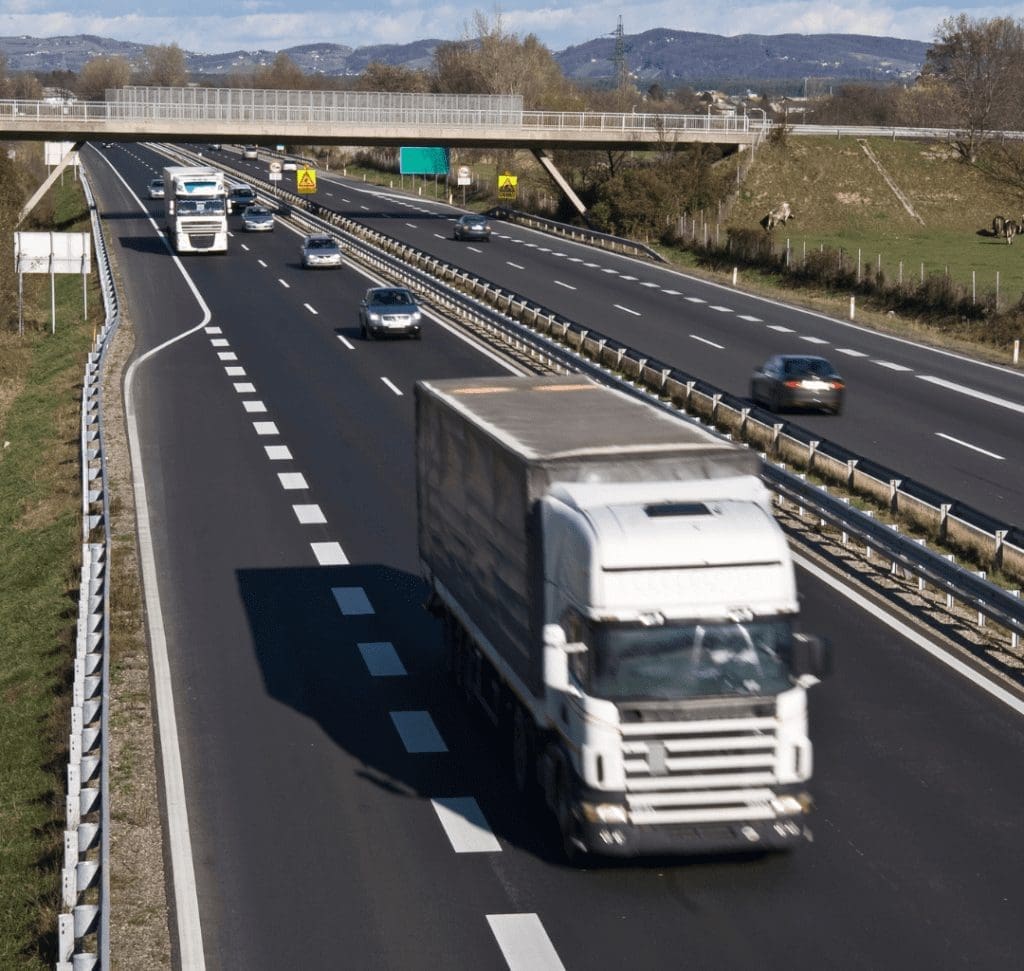
The Colorado Senate has passed bipartisan legislation aimed at improving road safety and freight efficiency on critical sections of Interstate 70 (I-70) and other major highways. One key aspect of the legislation is the prohibition of trucks from using the left lane in specific segments of I-70, which will allow for smoother traffic flow and reduce accidents. The goal is to address concerns about safety and traffic flow at critical points on this highway.
Additionally, the legislation proposes implementing requirements for truck tire chain use during winter conditions. Responding to the Colorado Department of Transportation’s concern about the responsibility of commercial vehicles, especially trucks, for a high percentage of I-70 closures during winter due to the lack of chains. The legislation will require truck drivers to carry chains on certain sections of I-70 and other specific roads west of Morrison, as well as on State Highway 9 from Frisco to Fairplay.
These measures represent a comprehensive approach to improving road safety and truck driver preparedness for adverse weather conditions, with the aim of ensuring freight transport efficiency in Colorado.

Missouri House of Representatives to debate tow service reform
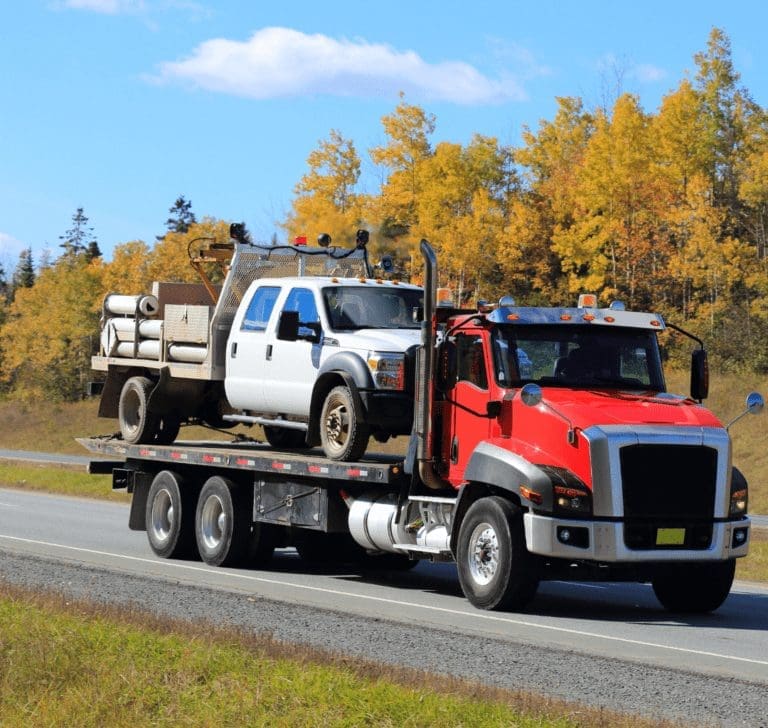
House Bill 2214 in Missouri focuses on addressing predatory towing practices. The legislation aims to change the current rule that does not allow truck operators to file complaints if they believe they were overcharged for a non-consensual tow, aiming to assist all truck operations in addressing this issue.
This legislation also includes provisions to allow truckers to retrieve their equipment or personal belongings while the tow bill is being processed. Doug Morris, from OOIDA, states that predatory towers often hold the contents of a truck hostage until the full tow bill is paid. The proposed legislation seeks to prevent unreasonable charges from being imposed on drivers in these situations.
However, it is worth noting that previous efforts to address these concerns have faced resistance upon reaching Governor Mike Parson’s desk. Previous bills were vetoed, citing legal issues and the perception that existing protections were adequate. Despite legislative efforts, the issue of predatory towing remains a topic of debate in Missouri, with OOIDA and other groups advocating for reforms to protect truck drivers from unfair practices in the towing industry.


How Truck Drivers Can Protect Their Skin from UV Rays on the Road
Chronic exposure to UVA rays isn’t just about getting a tan—learn how to protect your skin from the sun’s rays while on the road.

Top Concerns of Fleet Managers in 2026
The J. J. Keller Center for Market Insights has completed its sixth annual study analyzing the key concerns facing fleet management.

How to survive inflation, the biggest challenge for a trucker’s finances
The latest statistics from the U.S. Department of Transportation reveal a challenging scenario, but one that’s not insurmountable. Everything is getting more expensive, including the intelligence of a good transporter.

Where Are Truck Drivers Most in Demand in the United States?
Texas, California, Florida, Illinois, and Georgia lead truck driver demand across the United States as the transportation industry faces a renewed shortage of professional drivers.

Oliver Tree & Gaspi: Tragedy That Highlights Air Traffic Logistics
The deaths of American musician Oliver Tree and Argentine content creator Gaspi in a helicopter collision over Rio de Janeiro have once again raised a critical question for the transportation industry: how to safely manage increasingly congested transportation networks, both in the air and on the ground.

How to Perform a Pre-Trip Inspection: A Guide for Truck Drivers
A pre-trip inspection is one of the most important procedures for any truck driver.