7 reasons why consumers put limitations on EV purchases
The popularity of electric vehicles (EVs) has experienced a significant increase in recent years, driven by technological advancements and growing environmental awareness, especially in the United States. Despite the expansion of charging stations and improvements in accessibility for EV drivers, some doubts persist among certain drivers regarding the transition to electrification. These concerns range from cost to adaptability to a new driving style.
Below, we’ll examine the main reasons why consumers still set limitations when it comes to acquiring an electric vehicle for personal use, considering legitimate and valid issues.

High initial cost
Electric vehicles entail a higher initial cost, in addition to requiring specialized home charging equipment, which increases the initial investment. Although EVs tend to have lower operating costs in the long run due to the lower price of electricity compared to gasoline, consumers with average incomes may hesitate to make the switch due to this initial investment.
Charging issues
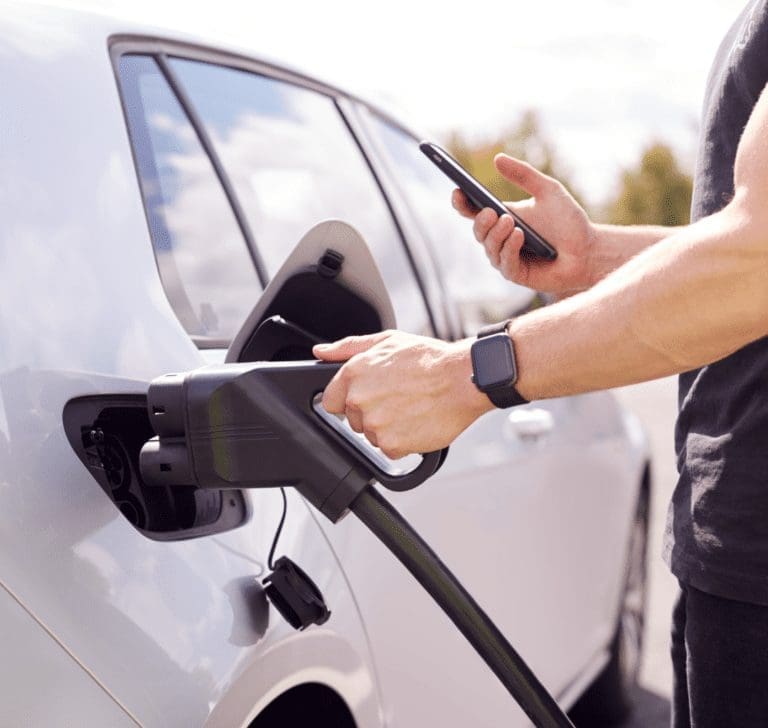
Charging electric vehicles can be inconvenient due to longer charging times compared to gasoline refueling, especially for drivers with tight schedules. The fear of running out of battery before reaching a charging station is particularly common for those undertaking long trips, where access to charging points may be uncertain. Additionally, the shortage of charging stations is another issue. Furthermore, the lack of access to an ideal home charging setup and regulatory restrictions further complicate the adoption of EVs for some drivers.

Battery performance
The capacity and reliability of batteries are additional reasons why some people avoid electric vehicles. Beyond lifespan and replacement costs, battery degradation over time, influenced by factors such as temperature and charging habits, is a significant concern. The environmental implications of battery production, recycling, and disposal also fuel the debate on the sustainability of EVs.
Environmental impact
While electric vehicles offer an environmental improvement by not relying on fossil fuels, the discussion on battery manufacturing highlights harmful aspects for the environment. Battery production involves the extraction of raw materials such as lithium, cobalt, and nickel, often associated with harmful mining practices. Additionally, the refining and processing of these minerals require significant energy inputs, resulting in higher greenhouse gas emissions.

Climate performance
Electric vehicle batteries face performance challenges in both low and high temperatures. In cold conditions, chemical reactions slow down, reducing the efficiency and range of the vehicle. Additionally, the need for internal heating further drains the battery. Meanwhile, in extreme heat, battery performance may degrade faster due to increased energy consumption for cooling systems. These geographical limitations underscore the need for advancements in battery technology to improve EV adaptability in different climates.
Adaptability limitations
As the electric vehicle market grows, so does the variety of options, but some drivers still perceive limitations compared to gasoline vehicles. Unfamiliarity with charging stations and limited range may pose challenges for those accustomed to the convenience of gasoline vehicles. Additionally, drivers needing specific capabilities, such as towing heavy loads or off-road driving, may find that current electric models do not meet their needs due to battery limitations, power, and cargo space.
Depreciation
The depreciation of electric vehicles is primarily determined by battery degradation, unlike motor vehicles. This difference may raise doubts among potential buyers about investing in EVs, as it affects resale value. Concerns are exacerbated by rapid improvements in battery lifespan, which could render current models obsolete sooner than expected.

Truckers in Washington: How to adapt to the new economy and come out ahead
The transportation market in Washington state is transforming. This article outlines the key factors and best strategies for optimizing routes, reducing costs, and capturing the most profitable loads.

Florida Raises Crash Reporting Threshold to $2,000
Starting October 1, Florida will quadruple the property-damage threshold that triggers the requirement to immediately report a crash. For truck drivers, however, the dollar value of the damage is not the only factor that matters.

Frequently Asked Questions About Trucking in Washington
100 questions and answers for truck drivers operating in the state of Washington.

Washington updates its freight corridors: how truck navigation will change on I-5, I-90, and other key routes.
The State of Washington is updating its planning for the state’s most important freight corridors with a clear goal: improving commercial truck traffic, strengthening supply

Washington speeds up new logistics hub development to strengthen freight transportation and trade with Canada
Washington is expanding its network of logistics hubs through investments in ports, highways, and distribution centers to streamline freight transportation.

Washington Commercial Vehicle Laws: What Truckers Must Know
Washington combines state requirements with numerous federal regulations that apply to commercial transportation