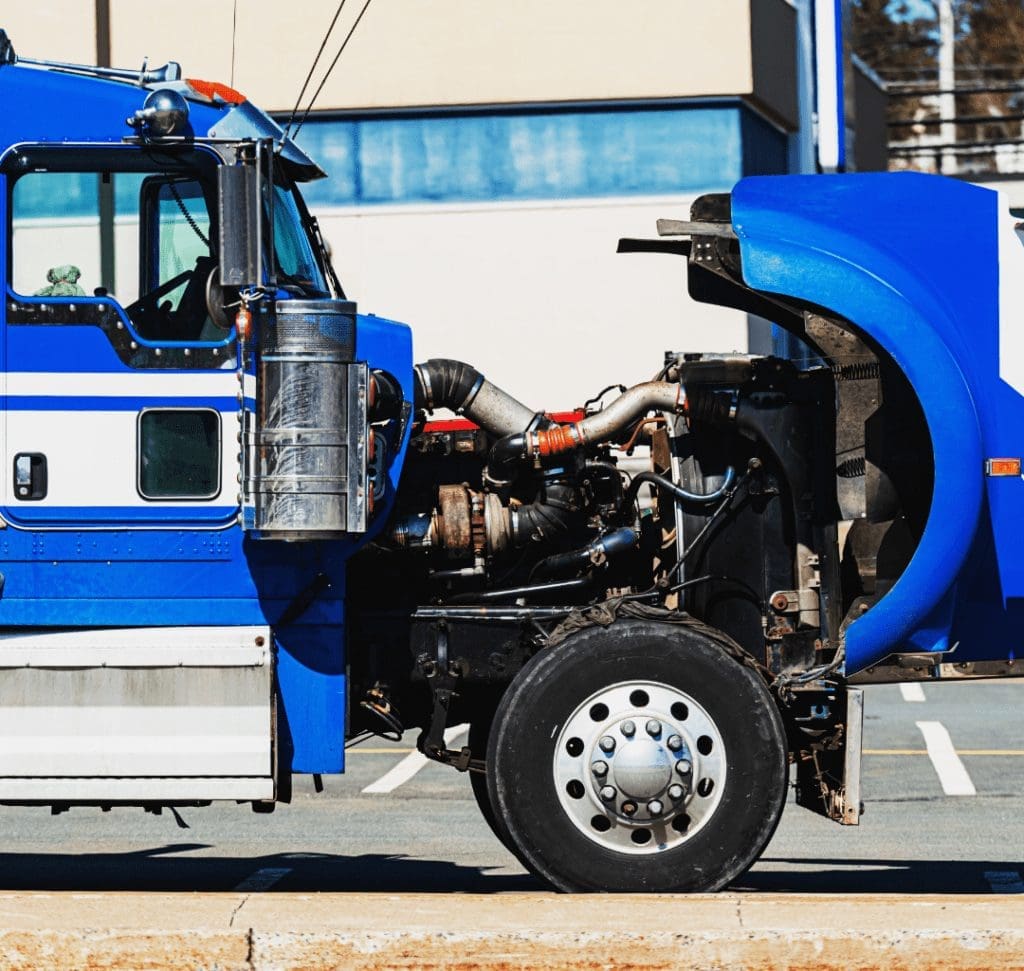
Whether due to lack of time, knowledge or other factors, some practices can reduce the life of a diesel engine. Learn how to improve these habits
Despite the durability offered by diesel engines in trucks, it’s essential to follow a careful maintenance routine to ensure their longevity. In addition to regular visits to the mechanic, truck owners must take responsibility for maintaining good habits that contribute to extending the engine’s lifespan.
At times, due to lack of time, knowledge, or other factors, certain practices can reduce the lifespan of a diesel engine. Slash Gear shares in a recent article, practices to avoid keeping a diesel engine in optimal conditions, so here is a list of habits you should implement to maintain your engine in top condition.
1. Oil Changes
Motor oil, which acts as a lubricant in internal combustion engines, loses effectiveness over time, leading to increased friction and wear of moving parts. It’s crucial to regularly replace motor oil as it degrades with time and use. Despite diesel engines having filters to keep oil clean, neglecting oil changes and filter maintenance can lead to sludge buildup and contaminants.

2. Fuel Filter and Air Filter Maintenance
Diesel engines require fuel and air filters for operation, so regular maintenance of these filters is crucial for engine health. Filters can become clogged with contaminants, blocking proper airflow and fuel flow. Moreover, insufficient fuel delivery to injectors can cause the engine to overheat, potentially damaging the entire system. On the other hand, a clogged air filter reduces engine performance and efficiency, leading to strange noises and low mileage.

3. High-Quality Diesel
Proper diesel engine maintenance requires the use of high-quality diesel fuel. Compatible additives may be used, but it’s crucial to avoid adding other substances such as gasoline or diesel blends. Maintaining the engine with pure fuel is best. Additionally, preventing water from entering the diesel tank is essential to prevent corrosion and oxidation.
To prevent contaminants, most diesel tanks have a water separator filter. Regularly draining the water separator and replacing it as needed is crucial to maintain its effectiveness.

4. Pay Attention to Small Details
The engine will indicate when maintenance is needed, either through dashboard lights or other signals that require attention, such as:
- Excessive smoke from the exhaust
- Knocking noises
- Vibrations and jerks while the engine is running
If any of these signs appear, it’s crucial to visit a mechanic as soon as possible. Engine maintenance should be performed promptly upon any issue arising, although regular maintenance is ideal to prevent these situations.

5. Engine Warm-Up
It’s important to let the engine oil distribute and reach the appropriate temperature before accelerating. Accelerating a cold engine without adequate lubrication causes wear and damage, especially in subzero temperatures where engine parts expand and contract with temperature changes. Always preheat the engine to avoid problems.

6. Avoid Constant Idling
An idling engine continues to consume fuel and resources. Initially, the effects may be minimal, but over time, this practice increases the risk of major failures. Additionally, unnecessary idling accelerates oil degradation and carbon buildup, leading to more frequent and costly maintenance.

Implementing these good maintenance habits will help ensure your truck’s engine has a healthier and longer life. Don’t forget to attend mandatory periodic inspections; a mechanic will always have deeper knowledge of what your engine and truck need to operate optimally.

What Regulations Have Changed for Truck Drivers in the U.S. in 2026?
Learn about the new trucking regulations in the United States for 2026, upcoming FMCSA changes, and how they will affect drivers and trucking companies.

Apocalyptic-Looking Sky in Ontario Goes Viral Amid Wildfires
Wildfires swept across Ontario, Canada and smoke spread as far as the U.S. border.

The Biggest Match of the World Cup Was Played Off the Field
More than 453 metric tons of equipment, around 5,000 trucks and support vehicles, and simultaneous operations across 16 host cities kept the largest FIFA World Cup in history running.

DEF Act: 10 Years of Legal Protection for EPA Diesel Emissions Guidance
The Diesel Engine Flexibility (DEF) Act would protect agricultural and transportation businesses by building on the diesel emissions guidance by the EPA.

License Plate Readers Raise Privacy Concerns for Truck Drivers
Concerns are growing over the impact license plate readers could have on the privacy and security of truck drivers.

IMF Warns: The World Is Approaching an Energy Crisis
The IMF says the global oil market managed to absorb the initial shock of the Middle East conflict, but warns that the strategic reserves and commercial inventories used to prevent a supply crisis have been largely depleted.