The 5 states that have succeeded in reducing the number of truck fatalities in the last decade
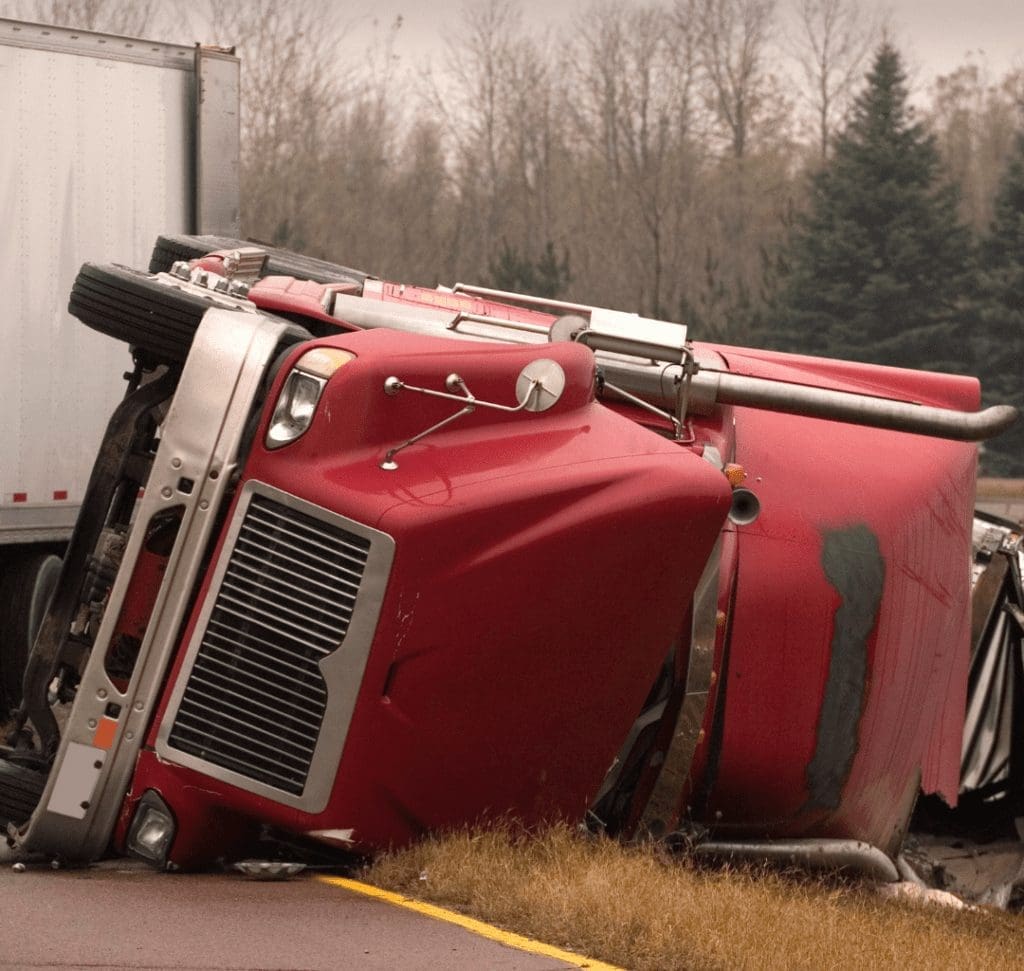
Road safety remains a priority for the U.S. government, which implements various programs and laws to improve infrastructure and reduce traffic accidents. Each year, there are approximately 388,000 truck accidents in the country, accounting for about 6.5% of all reported vehicle collisions. However, recent efforts to reduce these numbers are proving effective: a study by Whitley Law Firm indicates that some states have managed to lower their truck accident rates.
According to data provided by FleetOwner, based on a study by personal injury attorneys at Whitley Law Firm, these are the U.S. states that have experienced the greatest reduction in fatal truck accidents:

States with the greatest reduction in fatal truck accidents
1. North Dakota
With a 44.4% reduction in accidents over the last decade, North Dakota stands out in first place. According to the Whitley Law Firm study, this improvement may be attributed to decreased traffic density in suburban areas. Additionally, the state government has implemented infrastructure upgrades and new safety regulations, contributing to greater road protection. Another relevant factor is the decline in oil production in the state, which has reduced heavy truck traffic and, consequently, accidents involving these vehicles.

2. Maine
Maine ranks second with a total reduction of 37.5% in truck accidents over the past decade. While the state’s success is largely due to its low population density, which reduces traffic, Maine has also made consistent progress in road improvements. Furthermore, Maine focuses on accident prevention campaigns and promoting safe driving, which has significantly contributed to the decrease in accidents, particularly those involving trucks.

3. West Virginia
The difference between second and third place is notable: West Virginia holds the third spot with an 18.8% decrease in truck accidents over the last decade. This doesn’t mean that adequate measures aren’t being taken; rather, the mountainous terrain and natural features of the state pose significant challenges for truck drivers. Despite state efforts and investments in infrastructure maintenance, roads remain hazardous. However, prevention campaigns and safe driving initiatives have created a positive trend, securing West Virginia’s third place on the list.

4. Hawaii
Hawaii is in fourth place with a 14.2% reduction in truck accidents over the past decade. The state’s isolated location and lower volume of commercial truck traffic, compared to the mainland, contribute to its lower accident rate. Additionally, state investment in road safety measures and strict enforcement of traffic regulations have helped reduce fatal accidents.

5. Idaho
Idaho ranks fifth with a 12.90% reduction in fatal truck accidents. Its low population density and expansive road spaces facilitate safer driving. Moreover, the state focuses on maintaining road quality and consistently promoting safe driving habits among truck drivers.


Nevada’s Runaway Ramps Save Lives
Runaway ramps on highways help stop vehicles experiencing brake failure, saving lives on the road.

California Highway Patrol Inspections: What They Check on Commercial Trucks and How to Prepare
Learn what the California Highway Patrol checks on commercial trucks in California, including brakes, tires, documents, hours of service, and safety.

Indiana, the RV Capital of the World: The Business Behind America’s RV Industry
Indiana accounts for the vast majority of RV manufacturing in the United States. But behind the factories is a lesser-known business: delivering brand-new recreational vehicles to dealerships across the country. Who are the drivers making these trips, how does the delivery business work, and when is a commercial driver’s license (CDL) required?

Texas Warns of Flooded Roads as El Niño Approaches
The Texas Department of Transportation (TxDOT) is warning drivers about hidden dangers beneath floodwaters, penalties for ignoring road closures, and precautions truckers should take ahead of a potentially wetter and stormier 2026–2027 winter.

The United States is growing, but sustaining that growth is becoming increasingly difficult
The country continues its economic expansion, but debt, interest rates, and inflation are driving up the cost of financing for businesses, households, and even the government itself.

USDOT Announces More Than $1.6 Billion to Rebuild Damaged Infrastructure
The United States will allocate more than $1.6 billion to repair roads, bridges, and transportation infrastructure damaged by hurricanes and floods.