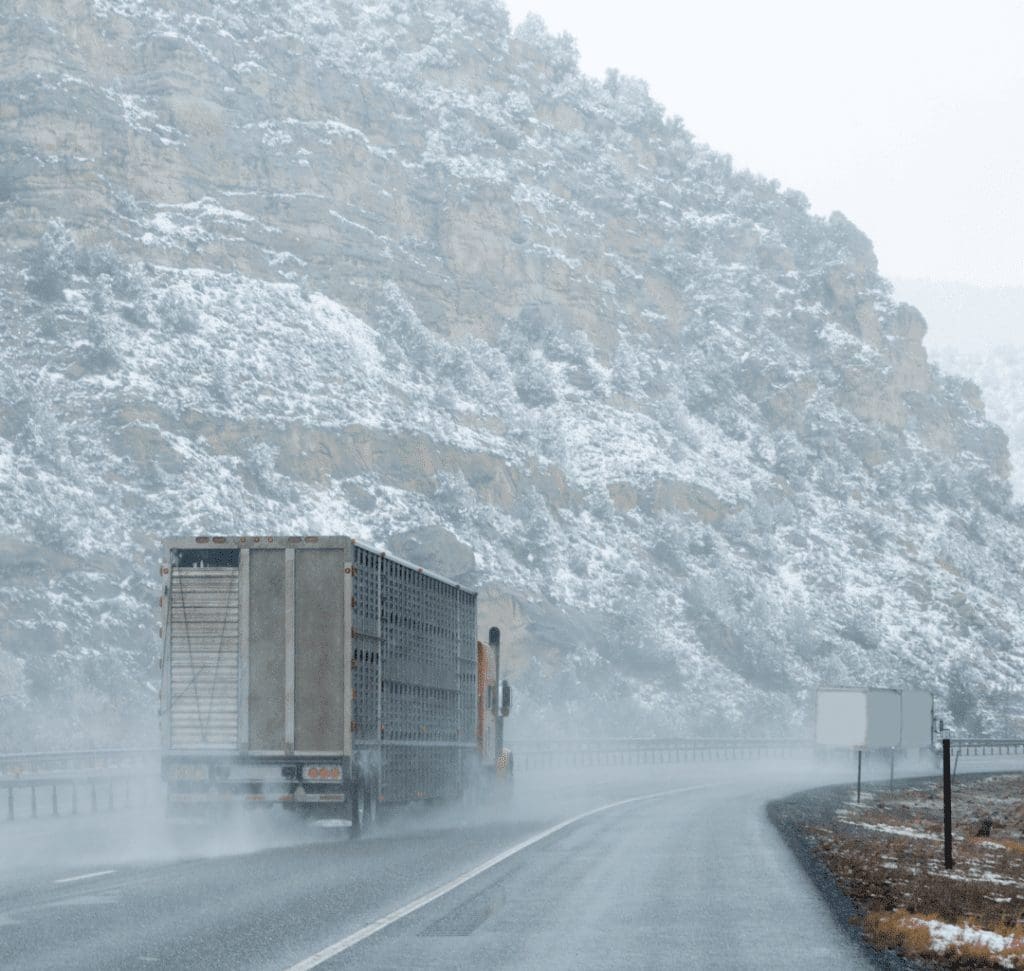
According to an AAA analysis these are the roads and highways with more accidents in the U.S.
The American Automobile Association (AAA) warns travelers to take extreme precautions on the most dangerous stretches of road in the country, which go beyond poorly designed intersections and inadequate stop signs. These stretches, both in urban and rural areas, are responsible for a high number of annual fatalities, and the primary cause is not the roads themselves, but the reckless and distracted behavior of drivers.
According to an AAA analysis, in 2022 roads were evaluated to create a list of those requiring special attention, especially during the end-of-year season.

Most dangerous roads in the United States, according to AAA
Route 1, Florida
Route 1 runs along a part of the east coast of the state and poses an additional challenge. With its nearly straight layout, this road often fills up with reckless drivers exceeding speed limits, resulting in severe accidents. A recent study found that 17 of the 100 deadliest roads in the United States are located in Florida.
I-4, Florida
Another risky road in Florida is I-4. This highway runs through the city of Orlando, attracting many tourists with rental vehicles. As a result, incidents of distracted driving are often higher, endangering the safety of all drivers. I-4 has a fatality rate of 1.134 deaths per mile.

I-10, Arizona
This highway stretches from Florida to California, making it one of the longest in the U.S. The stretch crossing Arizona constitutes the 300 most dangerous miles, characterized by long straightaways often exploited by those looking to speed. According to the AAA, nearly 500 fatalities were recorded on Arizona’s I-10 over a six-year period.
I-15, California to Nevada
This road connects Los Angeles with Las Vegas and is one of the busiest. Its long stretches often attract reckless drivers, and there is a high number of people driving under the influence of alcohol. A study analyzing 15 years of data concluded that this is the deadliest road in the country.

I-45, Texas
The heavy traffic congestion on this highway connecting Galveston with Dallas plays a crucial role in the road safety issues in the area. With a fatality rate of 0.913 deaths per mile, the situation is alarming. Additionally, an average of 56.5 fatal accidents occur for every 100 miles of road, highlighting the risks drivers face.
I-285, Georgia
This highway loop, extending over 64 miles, is known for severe traffic jams, especially due to heavy truck traffic. Moreover, its design presents significant challenges for motorists, with sharp curves. In 2015, an analysis by Vox revealed that the fatality rate on this road is 3.5 per every 10 miles.


One Passenger, 16 Rotors, and No Pilot: The Flying Taxi That Took Off in Front of Mount Fuji
A two-seat electric aircraft took off in Japan, flew 1,250 feet with one passenger on board, and landed without a pilot in the cabin. The demonstration offered a glimpse of what a ride in an autonomous air taxi could feel like. Would you get on board?

I‑205: The Bridge That Moved Over the Weekend
In Oregon, crews used hydraulic jacks to lift a 1,030-foot section of the Abernethy Bridge and slide it about eight feet sideways. Northbound I‑205 reopened Monday, four and a half hours ahead of schedule.

Thanksgiving 2026: Busiest Trucking Routes and Peak Traffic Hours
Nearly 73 million people are expected to travel by road during Thanksgiving. New York, Los Angeles, California, Texas, and Florida will be among the areas facing significant delays.

Made in the USA vs. imports: key points for understanding the price battle
Imported products remain competitive, but tariffs, input costs, logistics, and the costs of disruptions compel U.S. companies to look beyond price.
Texas Considers New Laws to Regulate Truck Weights and Protect Infrastructure
Texas is considering new bills to tighten penalties for overweight trucks, modify transportation routes, and ease load limits.

The Unsung Heroes of Trucking: Technicians to Be Honored in June
National Technician Appreciation Week will be held in June to recognize the professionals who keep trucks safe, prevent mechanical failures, and ensure trucking operations