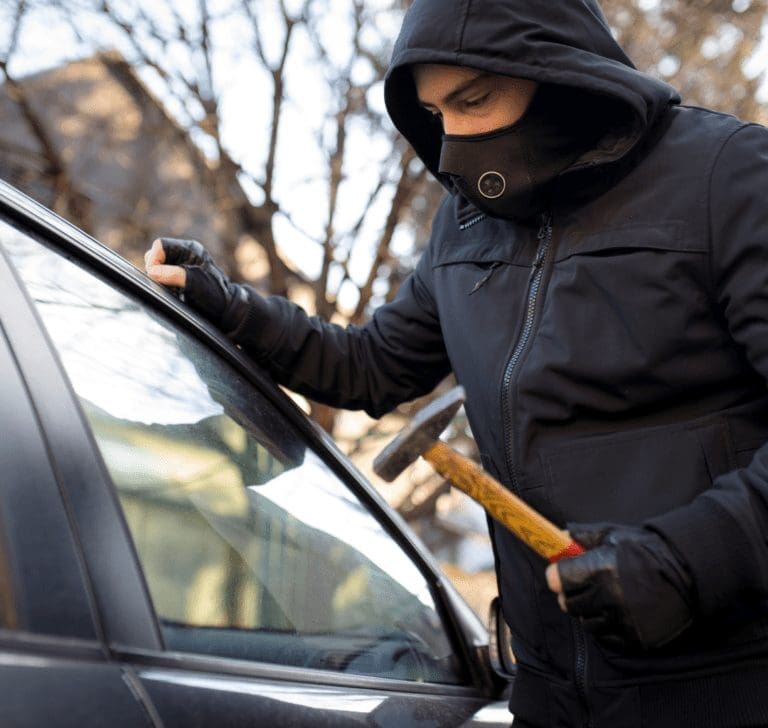
The report notes that all types of fraud in the industry are on the rise.
A recent report from the Transportation Intermediaries Association (TIA) reveals a significant increase in the prevalence and costs of fraud in the sector. Titled “State of Fraud in the Industry 2024,” the report notes that all types of fraud in the industry are on the rise, forcing brokerage firms to allocate more resources to address this issue.
Anne Reinke, president and CEO of the TIA, emphasizes the seriousness of the situation, especially given the lack of support from government and law enforcement agencies. Reinke stresses that fraud not only impacts companies but also has repercussions for consumers and the economy as a whole.

Types of fraud in the transportation sector
The TIA report identifies five main types of fraud threatening the transportation brokerage industry:
- Cargo theft: electronics, solar panels, and household goods are the most affected loads, with this type of theft increasingly on the rise.
- Financial fraud: this category includes illegal brokerage scams.
- Identity theft: this occurs through deception directed at truck drivers and affects both individuals and companies.
- Internal/employee theft: involves fraudulent actions from within companies.
- Data/information theft: includes cyberattacks that compromise sensitive information.
According to the report, the most commonly reported type of fraud by respondents was broker scams (43%), followed by email impersonation (17%) and identity theft (11%).

Costs and consequences of fraud
The TIA report revealed that the average cost of fraud among surveyed companies exceeds $400,000, equivalent to approximately $41,000 per load. This financial burden is reflected in the supply chain and ultimately impacts consumers, who face increased prices for products due to these losses. California stands out as the main hotspot for fraud in the U.S., accounting for nearly half of the reported cases, followed by Texas and Illinois.
In addition to losses, fraud in the transportation sector has led companies to make significant investments in preventative measures, including the adoption of new technologies, staff training, and fraud insurance. However, these investments are affecting profit margins, which have been significantly reduced due to these additional costs.
On the legislative front, Representative David G. Valadao, a Republican from California, has introduced the “Safeguarding our Supply Chains Act,” which has the support of 14 bipartisan co-sponsors, highlighting widespread concern on the issue. Furthermore, regulations from the Federal Motor Carrier Safety Administration (FMCSA) regarding broker transparency, expected in October, are seen as a necessary response to these concerns.

Volvo Pushes Beyond Diesel with New Hydrogen Combustion Truck Trials
Volvo Trucks is once again taking the lead, beginning road tests with heavy trucks equipped with hydrogen combustion engines.

Trucker Fashion: A Revolution Born on the Road That Still Sets the Trend
Trucker fashion remains relevant due to its authenticity, its seamless integration into streetwear, and its reinterpretation by luxury brands, consolidating itself as a revolution born on the road that evolved from a work uniform into a global cultural symbol

North Dakota among states regaining non-domiciled CDL authority
North Dakota will reissue approximately 150 of the 526 CDLs and CLPs for non-resident drivers that were active during the FMCSA audit.

The Growing Threat of Chameleon Fleets
A CBS ‘60 Minutes’ investigation exposes the rise of ‘Chameleon Fleets’ in the U.S. trucking industry.

US transportation begins to show signs of recovery
With tonnage at record levels and rates on the rise, carriers are leading the expansion of the logistics market. If the forecasts hold true, years of uncertainty could be over.

Trump Administration Restarts California Pipeline to Lower Gasoline Prices
Under Trump, the restart of the Santa Ynez Pipeline aims to boost local crude supply and impact gasoline prices amid persistently high energy costs in California.