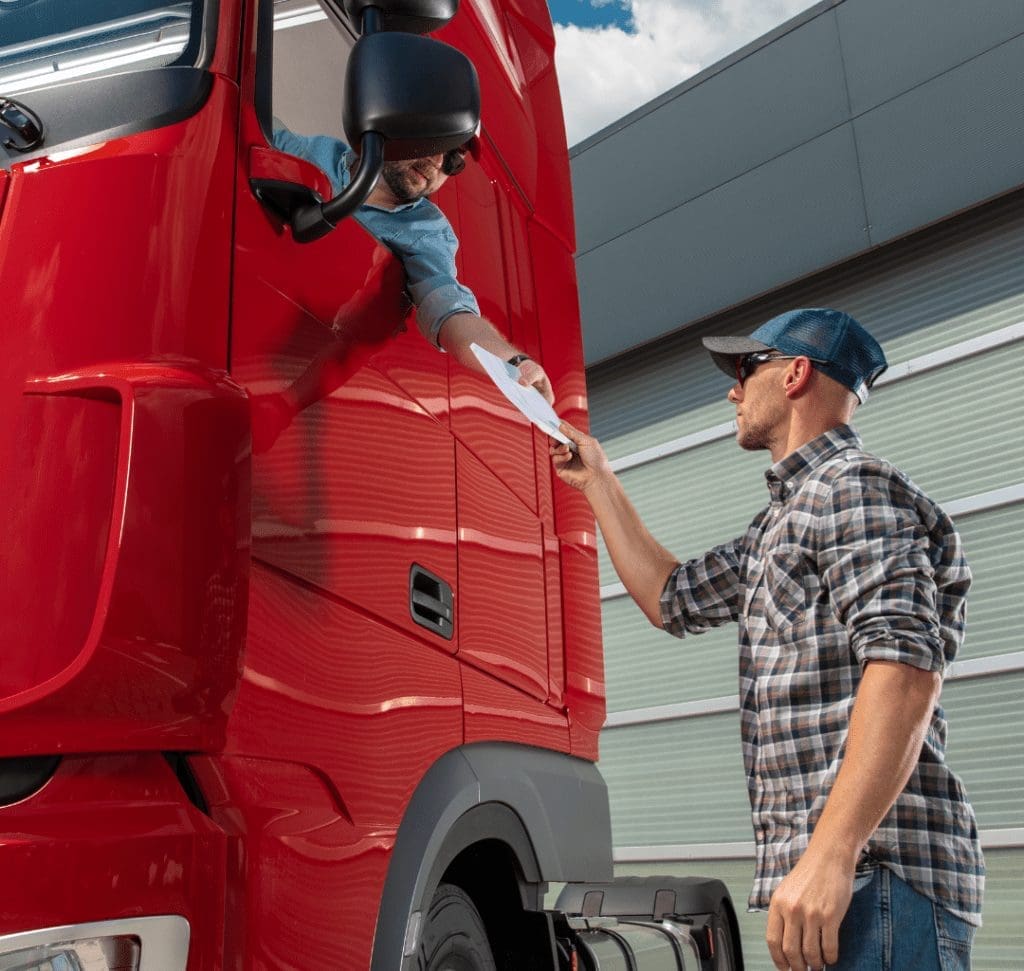
A new mandate by the FMCSA will take effect on November 18.
The Federal Motor Carrier Safety Administration (FMCSA) has implemented a new mandate that will allow federal regulators to require state driver’s licensing agencies to downgrade a truck driver’s commercial driving license if they fail a drug or alcohol test and are prohibited from driving.
This mandate, which will take effect on November 18, is part of the FMCSA’s Drug & Alcohol Clearinghouse II regulation. Its goal is to penalize drivers who continue operating vehicles after receiving violations for alcohol or drug use, aiming to eliminate this dangerous practice from the road transport industry.
Previously, the regulation required employers to consult the Clearinghouse for drug and alcohol violations of their current and prospective employees before allowing them to drive and to conduct annual checks on every driver they employ. To enforce stricter penalties, the new Clearinghouse II will require state agencies to revoke commercial driving privileges for drivers prohibited under the system, downgrading their license until they complete the reintegration process. States will have 60 days to record this downgrade in the Commercial Driver’s License Information System (CDLIS).

Clearinghouse II: stricter measures due to non-compliance by truck drivers
The Clearinghouse, implemented on January 6, 2020, by congressional mandate, has successfully removed many drivers with drug-related violations from the roads. However, approximately 177,000 drivers remain in a prohibited driving status after failing drug tests and not completing the federal return-to-duty process.
The new rule will require state Departments of Motor Vehicles (DMVs) to downgrade the commercial licenses of these drivers. Once a driver is placed in a prohibited status, states will have 60 days to downgrade their CDL or learner’s permit. Some states have already started this process, issuing warning letters to drivers, notifying them that they must begin the return-to-duty process or face the downgrade of their license.
Returning to work involves several steps, which leads many drivers to avoid the process. However, following this strict program is essential to ensure they return to the roads without posing a danger to themselves or others, in compliance with FMCSA regulations. Clearinghouse II will enforce stricter measures to encourage drivers to complete the process, as a downgraded license will prevent them from performing the same commercial activities.
Additionally, regulators have begun planning annual inspections of the program to ensure that state CDL programs comply with all new federal requirements. Price indicated there could be potential consequences for states that fail to meet the new mandate.


Volvo Pushes Beyond Diesel with New Hydrogen Combustion Truck Trials
Volvo Trucks is once again taking the lead, beginning road tests with heavy trucks equipped with hydrogen combustion engines.

Trucker Fashion: A Revolution Born on the Road That Still Sets the Trend
Trucker fashion remains relevant due to its authenticity, its seamless integration into streetwear, and its reinterpretation by luxury brands, consolidating itself as a revolution born on the road that evolved from a work uniform into a global cultural symbol

North Dakota among states regaining non-domiciled CDL authority
North Dakota will reissue approximately 150 of the 526 CDLs and CLPs for non-resident drivers that were active during the FMCSA audit.

The Growing Threat of Chameleon Fleets
A CBS ‘60 Minutes’ investigation exposes the rise of ‘Chameleon Fleets’ in the U.S. trucking industry.

US transportation begins to show signs of recovery
With tonnage at record levels and rates on the rise, carriers are leading the expansion of the logistics market. If the forecasts hold true, years of uncertainty could be over.

Trump Administration Restarts California Pipeline to Lower Gasoline Prices
Under Trump, the restart of the Santa Ynez Pipeline aims to boost local crude supply and impact gasoline prices amid persistently high energy costs in California.