In addition to being the most expected sports events in the U.S., the Super Bowl is a complex logistical operation.
On Sunday, February 9, Super Bowl LIX will take place in New Orleans, where the Philadelphia Eagles and the Kansas City Chiefs will face off for the title. American football is a sport based on coordination and teamwork, qualities that also define an efficient supply chain. Therefore, to successfully host this major sporting event, detailed planning and a fully capable supply chain are essential to provide everything needed. Without a doubt, it’s a true logistical feat.
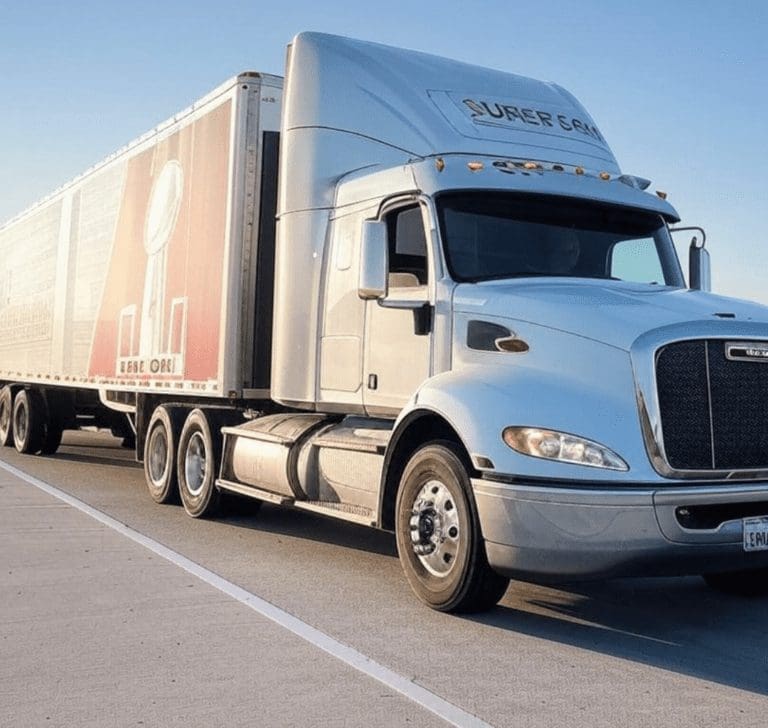
Starting with the large number of trucks needed to transport everything essential for the game, from hot dogs to the halftime show equipment. Super Bowl logistics planning begins years in advance and involves coordination between the NFL, the host city, suppliers, vendors, and carriers. Additionally, advanced technology is required to manage logistics and optimize transportation.
KetteQ, a logistics company in the U.S., reports that, on average, during the game day, fans consume more than 30,000 food items, 50,000 beers, and spend around $17 million on items inside the stadium. The Super Bowl, in addition to being a sports event, is a complex logistical operation and an example of high-risk logistics, according to the company.

Stadium Preparation
The stadium staff must coordinate with employees, suppliers, teams, and volunteers to ensure everything is ready to welcome spectators. This includes everything from temporary installations built specifically for the event to the transportation of teams, medical staff, celebrities, and much more. Logistics plays a key role in the success of the event.
Temporary seating, helmets, merchandise, and media booths are all transported thanks to efficient supply chain management. According to data from Blue Grace, the vast amount of items required for the Super Bowl necessitates the daily use of between 200 and 350 trucks and giant containers.

Halftime Show
One of the biggest logistical challenges of the Super Bowl is the halftime show. To carry out this multimillion-dollar production, materials for the stage, electrical equipment, and generators need to be transported. All of this, like the rest of the equipment, is moved in hundreds of trucks days before the event.
Moreover, to move the equipment onto the field during the show, between 20 and 50 vehicles are used, each requiring the coordination of ten people. Along with the stage, another twenty vehicles carrying audio equipment are also transported, according to data from Logistics Plus.

Food and Drink
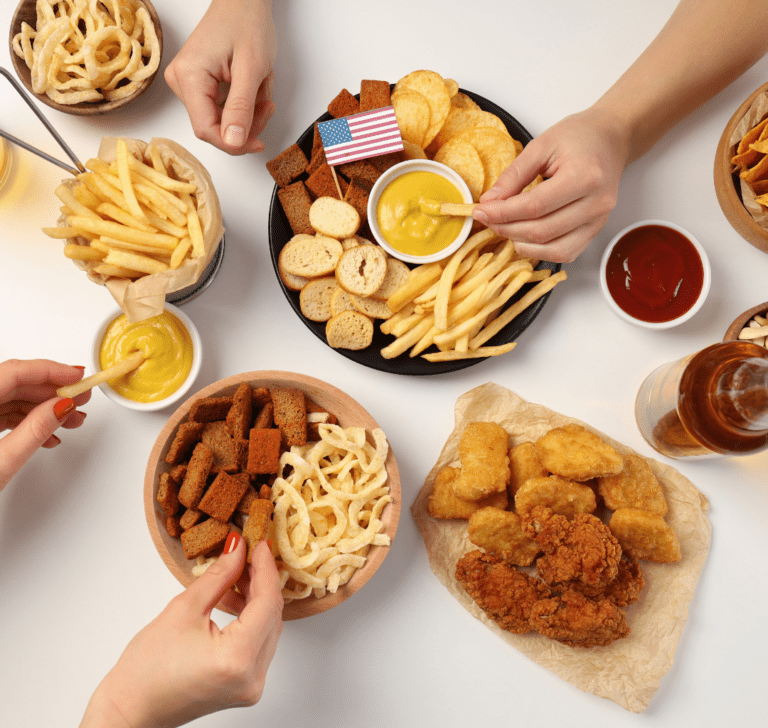
Data from Super Bowl LVIII reveals that, along with Thanksgiving, this is the day when the most food is consumed in the United States. According to the National Chicken Council, it’s estimated that Americans will consume about 1.45 billion chicken wings during the big game. Blue Grace shares statistics from 2022, showing the favorite foods of Americans to enjoy the event, both at home and in the stadium. The quantities consumed were as follows:
- Potato chips: 11.2 million pounds
- Guacamole (avocados): 139.4 million pounds of avocados
- Popcorn: 3.8 million pounds
- Nuts: 3 million pounds
- Beer: 325.5 million gallons
- Bacon: 12.5 million pounds
- Pork ribs: 10 million pounds
- Tortilla chips: 8.2 million pounds
No need to mention the number of transportation, logistics, and importation companies required to ensure these quantities are met.

Traffic and Increased Commerce at the Venue
The Super Bowl is one of the most-watched sporting events globally, with over 70,000 spectators attending in person. Due to the large crowd, traffic and roads experience the worst congestion of the year. In addition, businesses in the host city see an increase of up to 200% in their revenue during Super Bowl week. All of this highlights the need to be prepared to serve attendees both inside and outside the stadium.

Challenges in the Super Bowl Supply Chain
As if that weren’t enough, the Super Bowl’s supply chain also faces challenges that must be considered when organizing the event: disruptions caused by unpredictable weather, transportation delays, and last-minute changes. The large scale and complexity of the event require effective coordination between thousands of involved parties, demanding smooth communication and flexibility. It is also crucial to make quick and effective decisions to address any unforeseen issues.
The supply chain is the real MVP of the Super Bowl. Without proper planning, efficient logistics, and the support of hundreds of trucks, the event wouldn’t be possible.

$170 billion at stake: 1,500 companies demand tariff refunds
Companies have challenged the global tariffs imposed by President Donald Trump, asking federal courts to reactivate proceedings to begin the refund process. The companies that

In brief: enforcement measures target speeding, CDL training gaps and more
Major enforcement actions across the U.S., including speeding, CDL fraud, and chain violations Colorado launches Speed Enforcement Program The Colorado Department of Transportation (CDOT) has

Chinese Vehicles Raise Espionage and Remote Sabotage Concerns
Investigations into Chinese technology in connected vehicles warn of espionage risks, massive data transmission, and potential remote access vulnerabilities that concern U.S. transportation and security

Between the Court and the Fed: the market redefines its roadmap for 2026
Trade policy in limbo as markets price in 2026 rate cuts and Supreme Court strikes down Trump tariff plan. In the latest episode of the

New 10% U.S. import tariff takes effect amid legal and market uncertainty
The implementation of these new tariffs has generated global uncertainty among exporters, increasing confusion around U.S. trade policy. The United States has implemented a new

Military Trucks That Moved a Base in Syria
Convoys of advanced HEMTT and PLS military trucks carried armored vehicles, prefabricated base structures, mobile workshops and heavy equipment during the U.S. withdrawal from northeastern