Tesla's sales have experienced a sharp decline in several key markets worldwide, raising concerns among investors and analysts.
Recent data indicates that the company has suffered significant drops in regions such as Europe, Australia, China, and the United States.
This downturn comes amid increasing competition in the electric vehicle sector and a series of controversial decisions by its CEO, Elon Musk, which may be influencing consumer perception of the brand.
A report from Electrek reveals that Tesla’s deliveries in Europe fell by 50% compared to the same period last year. In Germany, the largest market for electric vehicles in Europe, the situation is even more alarming: in February 2025, the company delivered just 1,429 new cars, compared to over 6,000 in February 2024—a staggering 76% drop.
Political Controversy
Elon Musk’s public support for Germany’s far-right AfD party has sparked backlash among European consumers, which may be contributing to the decline in sales.
This is not the first time Musk’s association with political figures and movements has generated controversy.
According to Newsweek, his ties to Donald Trump’s administration and participation in initiatives like the Department of Government Efficiency (DOGE) have alienated many progressive consumers—historically a key demographic for electric vehicle sales.
In the United States, Tesla has also faced declining sales. Data from the California New Car Dealers Association shows that Tesla registrations in California, the nation’s largest EV market, dropped by 12% in 2024 compared to the previous year. Experts attribute this trend to both growing competition and the increasingly negative perception of Musk.

Rising competition and challenges in key markets
Beyond its public image issues, Tesla is facing fierce competition in the EV market. According to Newsweek, traditional automakers like Volkswagen and General Motors have significantly expanded their electric vehicle offerings, while companies like China-based BYD have quickly gained market share.
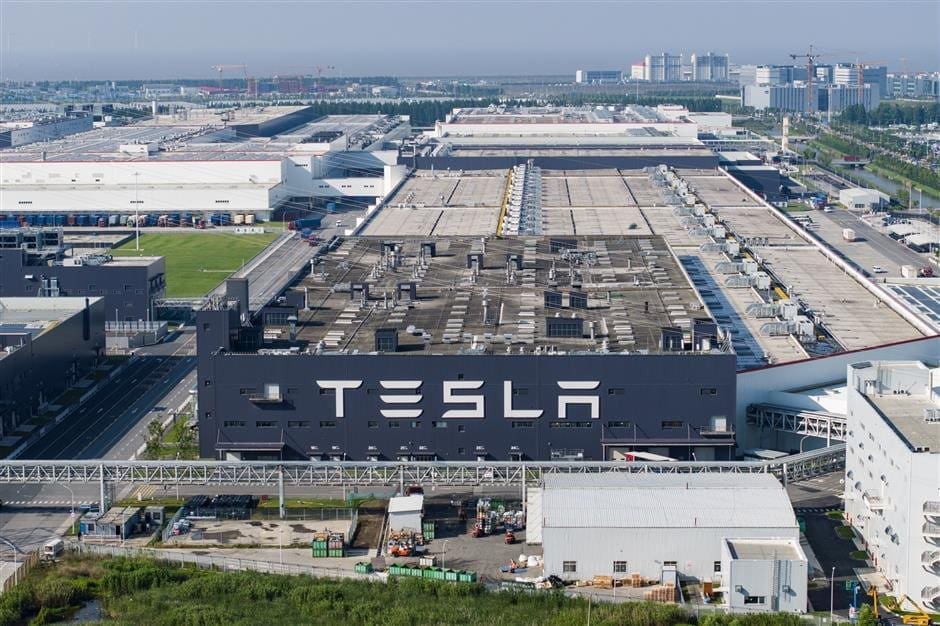
In China, Tesla’s sales of domestically manufactured vehicles fell by 49% in February 2025 compared to the same month in 2024, according to preliminary data from the China Passenger Car Association. In contrast, BYD reported a 161% increase in wholesale sales during the same period. Bloomberg Intelligence analyst Steve Man attributes part of Tesla’s decline to disruptions in production at its Shanghai plant but also highlights Chinese consumers’ growing preference for local brands.
Australia has also seen a sharp drop in Tesla sales. According to the country’s Electric Vehicle Council, Tesla sold only 1,592 vehicles in February 2025—a 72% decrease compared to the 5,665 units sold in the same month last year. This downturn is occurring amid a broader slowdown in Australia’s EV market, where electric vehicles accounted for just 5.9% of total car sales in February, down from 9.6% the previous year.

Consumer and investor reactions
The impact of these declining sales extends beyond Tesla’s revenue. According to The New York Times, some Tesla owners have chosen to sell their vehicles due to the brand’s association with Musk’s political stance.
This shift reflects a changing public perception of Tesla, which was once seen as a symbol of innovation and sustainability but is now facing criticism for aligning with polarizing political figures and movements.
Investors have also voiced concerns. Randi Weingarten, president of the American Federation of Teachers (AFT), sent a letter to major institutional Tesla shareholders warning of the company’s potential devaluation. She emphasized that many of the organization’s members rely on their Tesla investments for long-term financial security, urging protective measures for pension funds and other collective investment assets.
Despite these challenges, some analysts remain optimistic about Tesla’s future. A Morgan Stanley report cited by Investing.com suggests that the company still holds strong potential due to its leadership in emerging technologies such as autonomous vehicles and AI-driven robotics.
However, Tesla’s long-term success will largely depend on its ability to regain consumer trust and compete in an increasingly crowded market. The company must navigate a complex landscape to maintain its position as an industry leader while adapting to an environment where buyers have more choices than ever.

Frequently Asked Questions About Trucking in Washington
100 questions and answers for truck drivers operating in the state of Washington.

Washington updates its freight corridors: how truck navigation will change on I-5, I-90, and other key routes.
The State of Washington is updating its planning for the state’s most important freight corridors with a clear goal: improving commercial truck traffic, strengthening supply

Washington speeds up new logistics hub development to strengthen freight transportation and trade with Canada
Washington is expanding its network of logistics hubs through investments in ports, highways, and distribution centers to streamline freight transportation.

Washington Commercial Vehicle Laws: What Truckers Must Know
Washington combines state requirements with numerous federal regulations that apply to commercial transportation

Your Truck Was Declared a Total Loss: Who Decides What It Is Really Worth in Washington?
The accident may be over in seconds. The dispute over what the vehicle is actually worth can last much longer. Since 2026, Washington has introduced a new tool to resolve certain valuation disputes between policyholders and insurance companies.

Why Some Washington Carriers Are Harder to Insure
Accidents, maintenance, drivers, and safety records can complicate a carrier’s risk profile. What Washington truckers should review before insurance renewal.