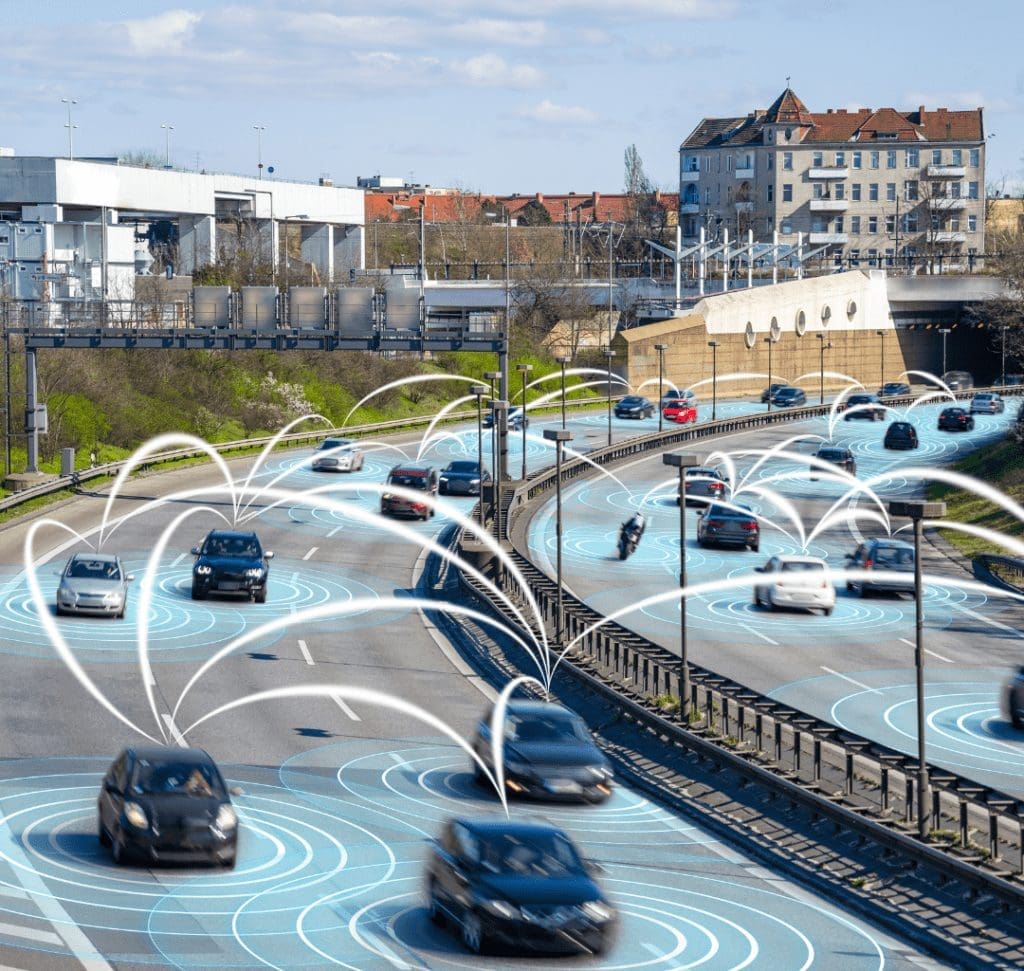
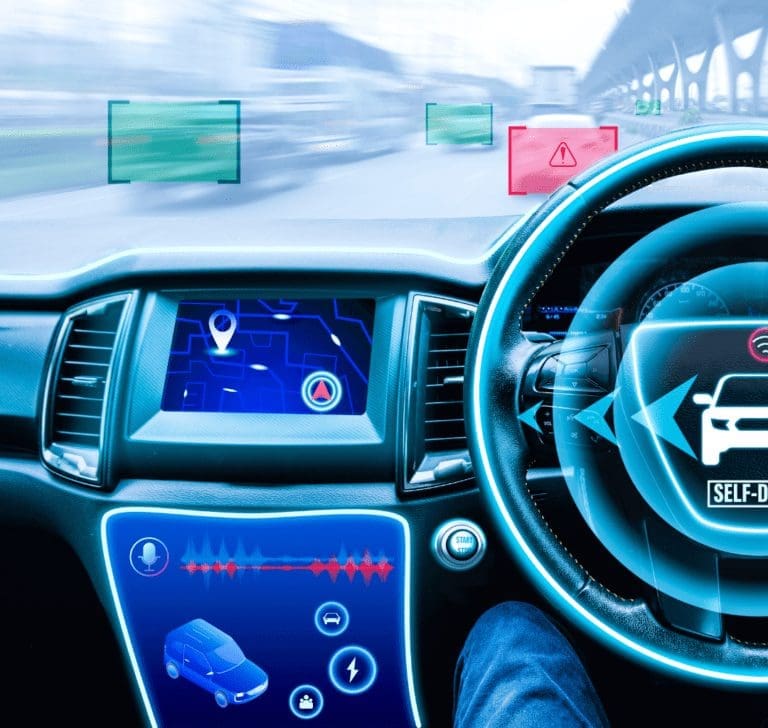
The use of AI as a safety tool for drivers and transportation fleets is gaining increasing popularity across the industry.
Distracted driving has become one of the leading causes of road collisions and accidents, with serious consequences for both drivers and transport operators. In recent years, this issue has intensified, reflected in a concerning rise in fatal crashes. A joint study conducted by the NHTSA and the Virginia Tech Transportation Institute reveals that 80% of collisions are related to some form of driver distraction.
The severity of the problem has led many drivers to support the adoption of artificial intelligence (AI)-based technologies as a key tool to improve road safety. In this context, Samsara conducted a survey showing that 79% of commercial drivers have experienced incidents related to distraction, underscoring the seriousness of the issue.
According to Samsara’s report “Distracted Driving in Physical Operations,” 93% of surveyed truck drivers have suffered negative consequences such as vehicle damage, injuries, fines, or license suspension due to distracted driving accidents. Additionally, 49% of companies report a direct financial impact from this issue. Moreover, 76% of drivers point to personal phone use for messaging and social media as the main source of distraction. Another 74% admit to using mobile technology while driving for work-related reasons. Finally, 54% of drivers view AI and its alerts as a key tool for reducing distraction behind the wheel.

Artificial intelligence as a safety tool for drivers
The use of artificial intelligence (AI) as a safety tool for drivers and transportation fleets is gaining increasing popularity across the industry. According to the AI and Driver Safety Survey by Teletrac Navman, 26% of companies are already piloting AI-based safety solutions, while 18% are exploring different options. Furthermore, 32% have begun using this technology to monitor driver behavior, prevent accidents, improve vehicle maintenance, and enhance training through data analysis, according to Commercial Carrier Journal.
Experts in AI applied to fleet management highlight the clear safety benefits this technology can offer. For instance, the company behind the survey, Teletrac Navman, uses its TN360 platform to detect critical events such as speeding, distraction, drowsiness, and traffic violations. The system also employs cameras with biometric features to identify the driver, allowing for more accurate and personalized monitoring.
Data collected by these systems feeds machine learning models that suggest customized training programs aimed at improving safety. According to Samsara’s report, 93% of drivers become more aware of their habits after reviewing footage of their driving, and 64% prefer AI-based digital training.

Balancing technology and human insight
Despite technological advancements, human intervention remains essential. According to the Teletrac Navman survey, 47% of respondents believe human interaction is crucial for effective decision-making, while 37% emphasize the role of humans in ensuring accountability and ethical oversight. In other words, artificial intelligence is seen as a supportive tool, not a replacement.
Surveys by Teletrac Navman and Samsara reflect a balance between technology and the human element in road safety. From the drivers’ perspective, Samsara’s report reveals that 90% prefer to work for companies that proactively address distracted driving. Furthermore, 82% believe positive reinforcement—such as incentives and recognition—is more effective than punishment in reducing risky behavior.
There is also strong support for technology, with 49% favoring policies that require safety features like in-cab alerts. However, challenges remain. For instance, 23% of Teletrac Navman respondents expressed concerns about data privacy, even though 66% acknowledge the safety benefits that AI can provide.

Nevada’s Runaway Ramps Save Lives
Runaway ramps on highways help stop vehicles experiencing brake failure, saving lives on the road.

California Highway Patrol Inspections: What They Check on Commercial Trucks and How to Prepare
Learn what the California Highway Patrol checks on commercial trucks in California, including brakes, tires, documents, hours of service, and safety.

Indiana, the RV Capital of the World: The Business Behind America’s RV Industry
Indiana accounts for the vast majority of RV manufacturing in the United States. But behind the factories is a lesser-known business: delivering brand-new recreational vehicles to dealerships across the country. Who are the drivers making these trips, how does the delivery business work, and when is a commercial driver’s license (CDL) required?

Texas Warns of Flooded Roads as El Niño Approaches
The Texas Department of Transportation (TxDOT) is warning drivers about hidden dangers beneath floodwaters, penalties for ignoring road closures, and precautions truckers should take ahead of a potentially wetter and stormier 2026–2027 winter.

The United States is growing, but sustaining that growth is becoming increasingly difficult
The country continues its economic expansion, but debt, interest rates, and inflation are driving up the cost of financing for businesses, households, and even the government itself.

USDOT Announces More Than $1.6 Billion to Rebuild Damaged Infrastructure
The United States will allocate more than $1.6 billion to repair roads, bridges, and transportation infrastructure damaged by hurricanes and floods.