The latest news from the trucking industry in the United States.
Federal Requirements for CDL Medical Certification
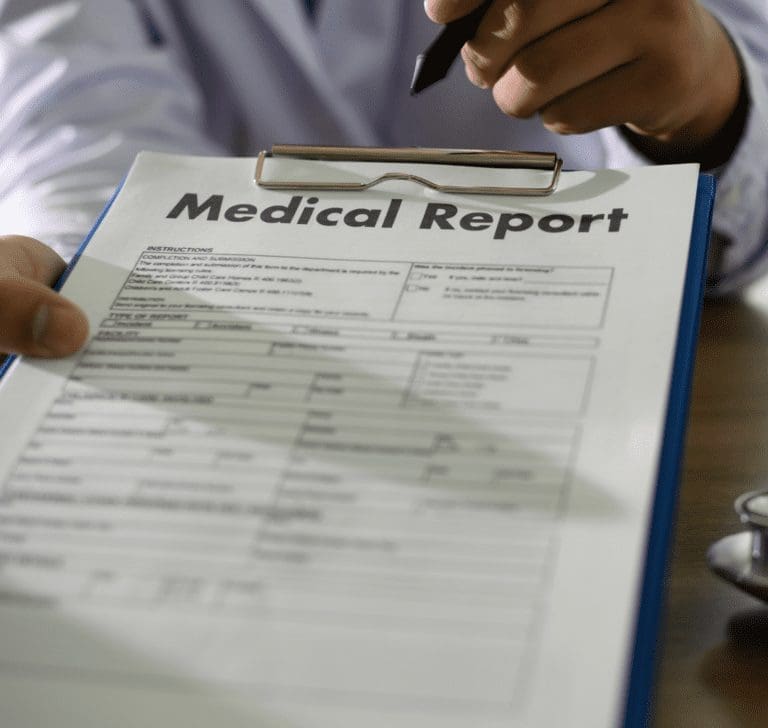
The final rule from the Federal Motor Carrier Safety Administration (FMCSA), published in April 2015, requires medical examiners to electronically report the results of Department of Transportation (DOT) physical exams no later than the following day, and allows the FMCSA to send this information directly to state driver licensing agencies. This eliminates the need for drivers to physically present their medical certificate.
Although implementation has been delayed twice (in 2018 and 2021) since its publication, the new compliance date is June 23, 2025. Some states, such as Texas and Maryland, have already begun operating under the new regulations, accepting medical certificates electronically from the National Registry.
The most recent delay of the rule was to complete IT systems and give states time to adapt. Once in effect, CDL-licensed drivers will no longer need to carry a physical copy of their medical certificate, although they must continue to carry a paper copy until the compliance date of June 23.
Southern U.S. Border Port of Entry to Cost $150 Million
The U.S. Department of Transportation announced a $150 million grant to build a new highway and port of entry on the border between San Diego and Baja California. The goal is to improve freight connectivity, border security, and reverse prior environmental regulations.
The project, called the Otay Mesa East Port of Entry, includes a new highway (State Route 11) and will facilitate the crossing of approximately 3,600 trucks daily, easing congestion in Otay Mesa and Tecate. It will also fund inspection equipment for customs and security agencies.
Originally funded in fiscal year 2022 under the INFRA program, the project was pushed forward during the Trump administration and is part of an effort to reduce the infrastructure grant backlog inherited by the Biden administration.
California Governor Gavin Newsom supported the project for its economic and job impact. Meanwhile, new highway laws are being discussed in Congress with a focus on state flexibility and bipartisan collaboration.
Associations Question TPR Self-Certification System
Two driver training industry associations, the Commercial Vehicle Training Association (CVTA) and the National Association of Publicly Funded Truck Driving Schools, have expressed concern about the lack of oversight in the enforcement of the federal entry-level driver training regulations in effect since 2022.
They claim that many unethical schools continue to operate and graduate unprepared drivers due to a poorly monitored self-certification system in the Training Provider Registry (TPR).
The American Trucking Associations (ATA) also joined in the criticism, calling for greater oversight, auditing, and the immediate removal of unauthorized providers. Steve Gold, director of the largest network of driving schools in the country, also expressed concern and plans to meet with the FMCSA on April 16 to address the issue directly.
According to Gold, when a driver graduates, their school notifies federal regulators, who then inform the state. The state may issue the commercial driver’s license (CDL), although the thoroughness of the process varies: some states rigorously verify the legitimacy of the school, while others rely on the information provided by federal regulators. So far, only four schools have been removed from the TPR since 2023, despite hundreds of complaints.

In brief: weigh stations, young drivers, and fuel tax reform in the trucking industry
South Carolina debuts virtual weigh stations for trucking, as ATA pushes youth driver program, and states debate fuel policies. South Carolina launches virtual weigh stations

The Wildest Truck Modifications on the Road Today
Truck customization has become a serious industry, with some builds rivaling high-end RV conversions in complexity and cost. From redesigned sleepers to upgraded suspension systems, these modifications do more than change appearance — they alter weight, electrical load, and the technical profile of the truck.

The most dangerous states in the U.S. during winter weather
While winter conditions are hazardous across the country, some states experience significantly higher accident rates during this season. A study by Samsara, a safety and

Winter storm disruptions lead to FMCSA HOS relief in 40 states
Motor carriers and drivers providing direct assistance in relief efforts in the affected states are covered by a hours-of-service (HOS) exemption. Over the weekend, a

Air Quality Alert in California Impacts Transportation
An air quality alert has been issued as high levels of fine particle pollution (PM2.5) trigger health warnings across several parts of California. The situation is affecting visibility, driver health, and logistics operations, forcing transportation professionals to take extra precautions on highways and in urban corridors

Winter Storm Survival on the Road: What Truck Drivers and Fleet Operators Need to Know Now
Winter storm with snow, ice, and extreme cold are creating dangerous highway conditions across multiple states, forcing truckers to make critical safety decisions before turning the key.