Driving a truck across the United States means covering thousands of miles through diverse climates, elevations, and terrain types.
Some US routes pose a significantly higher risk due to their geography, weather conditions, traffic volume, or road design.
Based on road safety reports, transportation associations, and federal statistics, these are the 10 most dangerous roads for truck drivers

1. US-550 – “Million Dollar Highway,” Colorado
A scenic route through the Rocky Mountains between Ouray and Silverton.
Extreme elevation, sharp curves, and no guardrails.
Especially dangerous in winter due to snow, ice, and limited visibility.

2. I-285 – Atlanta Perimeter, Georgia
Heavy congestion and confusing interchanges.
Frequent crashes involving both passenger vehicles and commercial trucks.
Critical conditions during peak traffic hours.

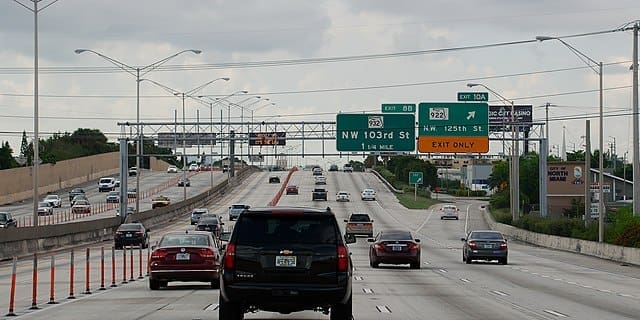
3. I-95 – East Coast Corridor (Maine to Florida)
One of the most traveled highways in the U.S. and also one of the deadliest.
Urban segments through New York, Philadelphia, and Miami are especially chaotic.
High-speed traffic, frequent merges, and aggressive driving behavior.

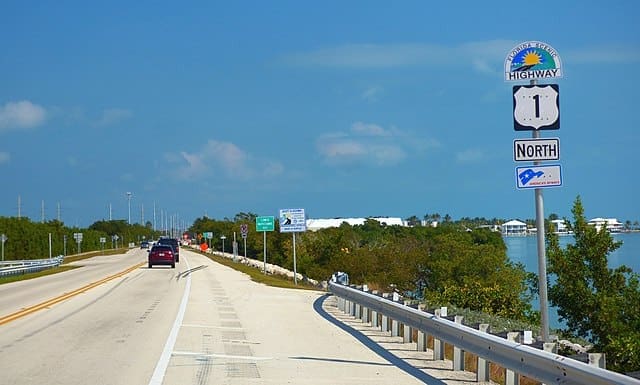
4. US-1 – Florida
Coastal route with a mix of tourists, bikers, and heavy freight traffic.
High accident rates, especially between Miami and Key West.
Sudden stops and narrow lanes increase risk.

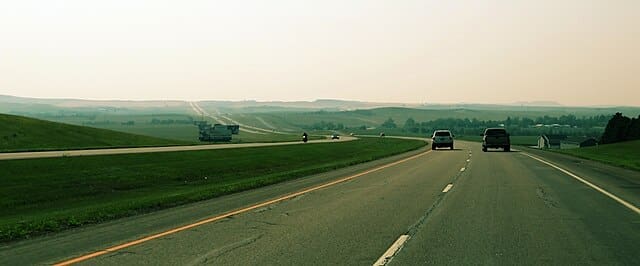
5. Highway 2 – Montana and North Dakota
Appears quiet but is extremely risky due to isolation.
Long stretches with no service stations or cell coverage.
Frequent accidents from driver fatigue and harsh weather.

6. I-10 – Arizona and New Mexico
Long, straight desert stretches prone to driver fatigue.
Harsh temperatures, crosswinds, and limited services.
High crash rates due to speeding and distraction.
7. Highway 138 – California
Known locally as “The Highway of Death.”
Connects Antelope Valley with the San Bernardino Mountains.
Sharp turns, steep grades, and frequent fog make it treacherous.
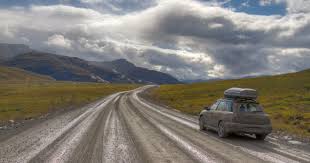
8. Dalton Highway – Alaska
Remote route linking Fairbanks with northern oil fields.
Extreme cold, icy terrain, and virtually no roadside assistance.
Only suited for highly experienced truck drivers.
9. I-17 – Arizona
Connects Phoenix and Flagstaff through mountainous terrain.
Sudden elevation changes, winding roads, and heavy traffic.
Ice and snow are common hazards in winter.
10. Route 6 – Nevada
A rural and desolate highway known for its quiet danger.
Sparse fuel stops, no lighting, and little to no cell signal.
Accidents often linked to speeding or nighttime driving.
Safety Tips for Truckers:
✅ Check weather and road conditions before departure
✅ Get proper rest and avoid driving in low-visibility hours
✅ Keep your truck in optimal condition, especially brakes and tires
✅ Always carry water, food, and emergency supplies for isolated areas
✅ Use safety and navigation apps like Trucker Path, Drivewyze, or Waze for real-time alerts
Knowing which routes are the most dangerous can make the difference between a safe trip and a costly incident. Planning, awareness, and up-to-date information are your best tools on the road.

Trucker Fashion: A Revolution Born on the Road That Still Sets the Trend
Trucker fashion remains relevant due to its authenticity, its seamless integration into streetwear, and its reinterpretation by luxury brands, consolidating itself as a revolution born on the road that evolved from a work uniform into a global cultural symbol

North Dakota among states regaining non-domiciled CDL authority
North Dakota will reissue approximately 150 of the 526 CDLs and CLPs for non-resident drivers that were active during the FMCSA audit.

The Growing Threat of Chameleon Fleets
A CBS ‘60 Minutes’ investigation exposes the rise of ‘Chameleon Fleets’ in the U.S. trucking industry.

US transportation begins to show signs of recovery
With tonnage at record levels and rates on the rise, carriers are leading the expansion of the logistics market. If the forecasts hold true, years of uncertainty could be over.

Trump Administration Restarts California Pipeline to Lower Gasoline Prices
Under Trump, the restart of the Santa Ynez Pipeline aims to boost local crude supply and impact gasoline prices amid persistently high energy costs in California.

Lawmakers push to raise minimum truck insurance compensation to $5 million
The “Fair Compensation for Truck Crash Victims Act” seeks to increase insurance requirements for interstate motor carriers.