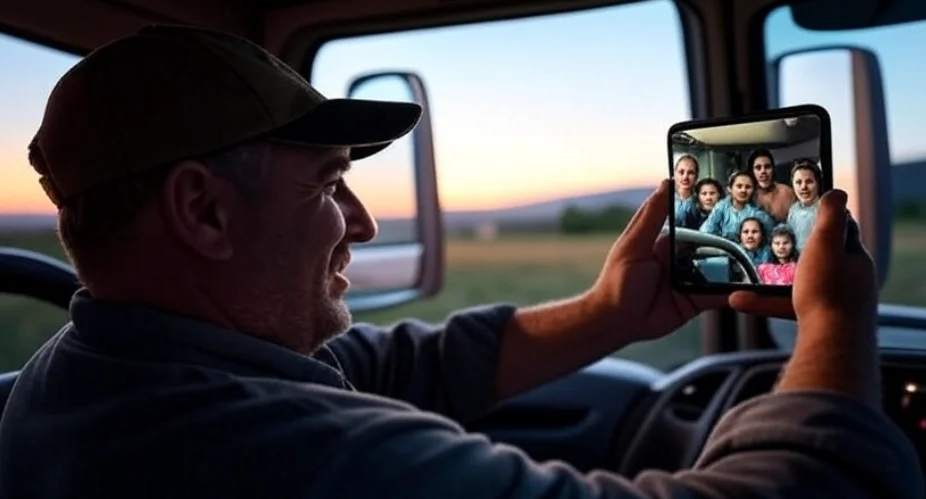
Balancing family life with a demanding job on the road is one of the toughest challenges facing America’s truck drivers. But a mix of technology, changing family roles, and flexible work policies is helping many find a new kind of stability — even from behind the wheel.
For more than 3.5 million professional drivers powering the U.S. economy, the highway is more than just a workplace — it’s a second home. Long shifts, weeks away from loved ones, and unpredictable schedules are the cost of keeping supermarket shelves stocked and supply chains moving. But behind the wheel, many truckers face an invisible emotional burden: the challenge of maintaining a stable, close-knit family life.
A Lifestyle Built on Sacrifice
The average long-haul truck driver spends between 200 and 300 days a year away from home. Interstate routes, overnight hauls, and tight delivery windows make it difficult to share in daily family moments, attend school events, or celebrate milestones like birthdays and anniversaries.
“The hardest part isn’t driving — it’s missing your family’s life,” says Anthony Rivera, a New Jersey-based trucker with 12 years of experience. “I’ve watched my kids grow up through video calls.”
New Ways to Stay Connected
To cope with this reality, many drivers have developed strategies to maintain strong emotional ties with their loved ones. Daily video chats, voice messages, and small gifts sent from the road help preserve the sense of presence.
Some families are also adopting less traditional but effective solutions — like traveling together. Couples who share driving shifts or independent drivers who modify their RVs to bring along small children are part of a growing trend that blends work with family life.
In response, many companies are offering new benefits to support drivers’ personal lives: longer consecutive rest periods, regional routes that allow for weekly home visits, and mental health programs for drivers and their families.

Women Behind the Wheel: Redefining Family Models
The rising number of women entering the trucking industry is also reshaping family dynamics. Many women are choosing life on the road as a path to economic independence and nomadic freedom.
“My wife and I drive as a team, and our daughters wait proudly for us at home,” says Michelle Taylor, a driver from Colorado.
In some households, women are now the primary earners while their partners take on caregiving duties — challenging traditional gender roles and redefining what a trucker family looks like today.
Technology as an Emotional Lifeline
Mobile apps that allow drivers to keep digital journals, share photos, or even read bedtime stories aloud have become essential tools for bridging the emotional gap. Platforms like Trucker Path and KeepTruckin now include wellness features that notify family members when the driver is parked, resting, or available to talk.
Toward a More Human-Centered Industry
As the U.S. continues to face a chronic truck driver shortage, industry leaders agree that addressing the human side of trucking is key to retaining talent.
“If we want more young people — and especially more women — to enter and stay in the industry, we need a model that supports family life, not one that sacrifices it,” says Kelly Sanders, an analyst with the American Trucking Associations.
Life on the road doesn’t have to mean giving up life at home. Through technology, more flexible job structures, and evolving support from employers, many drivers are finding ways to strike a balance. The journey is far from over — but with the right tools, every mile driven can also be a step closer to home.

Nevada’s Runaway Ramps Save Lives
Runaway ramps on highways help stop vehicles experiencing brake failure, saving lives on the road.

California Highway Patrol Inspections: What They Check on Commercial Trucks and How to Prepare
Learn what the California Highway Patrol checks on commercial trucks in California, including brakes, tires, documents, hours of service, and safety.

Indiana, the RV Capital of the World: The Business Behind America’s RV Industry
Indiana accounts for the vast majority of RV manufacturing in the United States. But behind the factories is a lesser-known business: delivering brand-new recreational vehicles to dealerships across the country. Who are the drivers making these trips, how does the delivery business work, and when is a commercial driver’s license (CDL) required?

Texas Warns of Flooded Roads as El Niño Approaches
The Texas Department of Transportation (TxDOT) is warning drivers about hidden dangers beneath floodwaters, penalties for ignoring road closures, and precautions truckers should take ahead of a potentially wetter and stormier 2026–2027 winter.

The United States is growing, but sustaining that growth is becoming increasingly difficult
The country continues its economic expansion, but debt, interest rates, and inflation are driving up the cost of financing for businesses, households, and even the government itself.

USDOT Announces More Than $1.6 Billion to Rebuild Damaged Infrastructure
The United States will allocate more than $1.6 billion to repair roads, bridges, and transportation infrastructure damaged by hurricanes and floods.