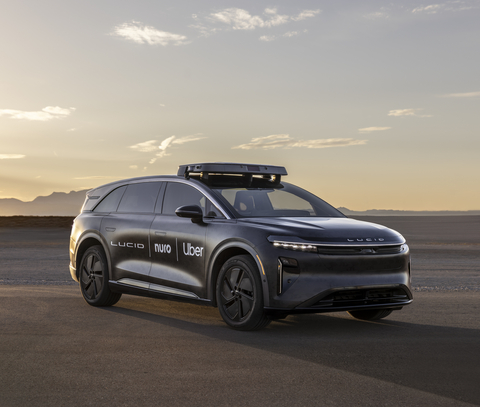
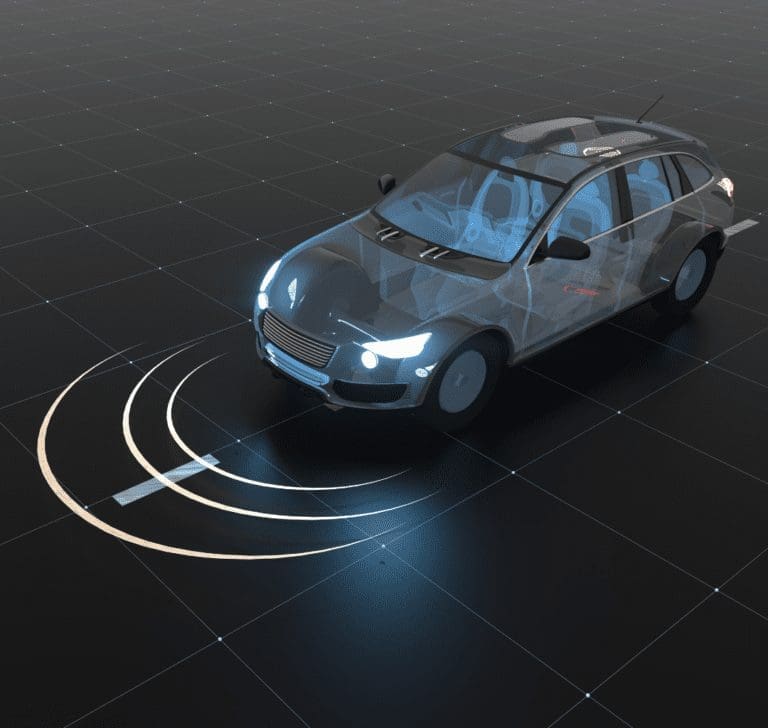
Uber Technologies Inc. has announced a new strategic partnership with Lucid Group Inc. and Nuro Driver.
Uber Technologies Inc. has announced a new strategic partnership to launch a fleet of robotaxis in a major U.S. city. The transportation company will collaborate with electric vehicle manufacturer Lucid Group Inc. and autonomous driving technology company Nuro on this ambitious project.
On July 17, Uber issued a statement revealing its plans to purchase and operate Lucid Gravity SUV vehicles equipped with Nuro Driver autonomous driving systems, to be integrated into its ride-sharing network. The company expects to roll out the first vehicle by the end of 2026 in a yet-to-be-disclosed U.S. city. It has also set a goal of deploying at least 20,000 robotaxis over the next six years.

Uber strengthens its robotaxi ambitions through new strategic alliances
In recent months, Uber has announced several partnerships with tech developers such as Waymo and Volkswagen Group. Its most recent agreement with Lucid Motors and Nuro reinforces its aim to become the leading commercial platform for robotaxis in the United States. Currently, Uber already offers autonomous rides in cities like Phoenix, Austin, and Atlanta.
Competition in the sector is heating up. Tesla Inc., for instance, has begun rolling out its robotaxi service in Austin, with plans to expand to other cities. In response, Uber continues to strengthen its network of alliances to position itself as a key competitor in the market.
Uber’s collaboration with Nuro began in 2022, initially focused on food delivery robots. In 2023, Nuro shifted its focus from manufacturing custom vehicles to developing autonomous software.
For Lucid Motors, one of the few EV manufacturers in the U.S., this alliance also marks a significant milestone. The company aims to position its second vehicle model, the Gravity, and is targeting production of 20,000 units in 2025, more than double the previous year, according to Transport Topics.
Prototypes of the robotaxis developed jointly by Lucid and Nuro are already being tested at Nuro’s closed test track in Las Vegas.

Technology expansion for Uber and Lucid
Lucid’s interim CEO, Marc Winterhoff, explained that Uber chose the Gravity SUV because Lucid is able to integrate the required autonomous hardware directly into its manufacturing process. Nuro’s software will be added once Uber receives the vehicles. Back in May, Winterhoff had mentioned that Lucid was in advanced talks with partners about using the Gravity for autonomous vehicle applications.
In an interview with Bloomberg, Winterhoff stated that this collaboration represents another step in Lucid’s broader technological expansion—from electric vehicles and licensing to partnerships in other domains. He emphasized that much can change over six years, viewing this agreement as a starting point.

Frequently Asked Questions About Trucking in Washington
100 questions and answers for truck drivers operating in the state of Washington.

Washington updates its freight corridors: how truck navigation will change on I-5, I-90, and other key routes.
The State of Washington is updating its planning for the state’s most important freight corridors with a clear goal: improving commercial truck traffic, strengthening supply

Washington speeds up new logistics hub development to strengthen freight transportation and trade with Canada
Washington is expanding its network of logistics hubs through investments in ports, highways, and distribution centers to streamline freight transportation.

Washington Commercial Vehicle Laws: What Truckers Must Know
Washington combines state requirements with numerous federal regulations that apply to commercial transportation

Your Truck Was Declared a Total Loss: Who Decides What It Is Really Worth in Washington?
The accident may be over in seconds. The dispute over what the vehicle is actually worth can last much longer. Since 2026, Washington has introduced a new tool to resolve certain valuation disputes between policyholders and insurance companies.

Why Some Washington Carriers Are Harder to Insure
Accidents, maintenance, drivers, and safety records can complicate a carrier’s risk profile. What Washington truckers should review before insurance renewal.