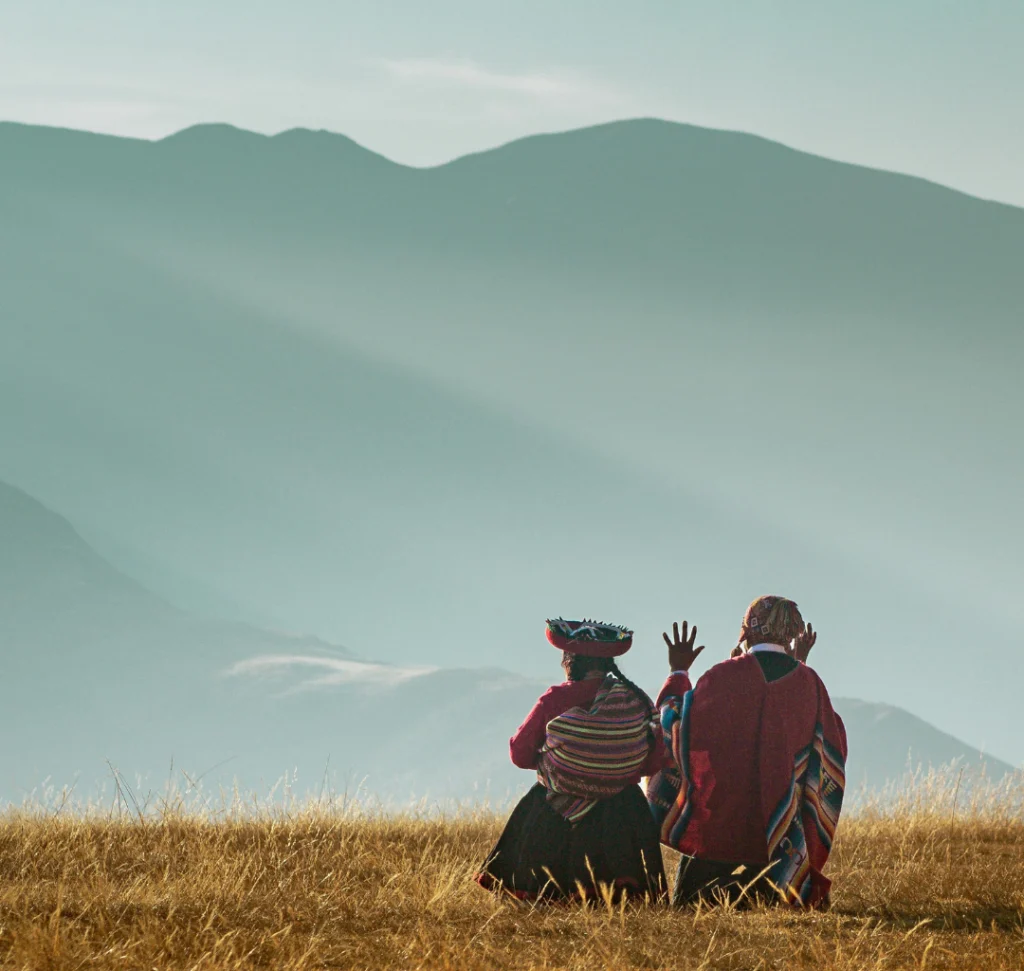
August 1st is celebrated as Pachamama Day, a sacred festivity that honors the source of life and unites communities.
August 1st is celebrated as Pachamama Day, a sacred festivity that honors the source of life and unites communities and countries across the Andean region. Pachamama, also known as Mother Earth, is a deity that represents life itself: she provides sustenance, nourishes nature, and symbolizes the balance between human beings and their environment.
This celebration is a profound cultural experience that reflects values such as spirituality, respect for nature, and ecological awareness. It takes place in Andean countries like Colombia, Ecuador, Peru, Bolivia, Chile, and Argentina, where the tradition has endured for centuries as a symbol of spiritual connection to the Earth.
The term Pachamama comes from the indigenous languages Quechua and Aymara. It means “Mother of the World,” and is composed of:
- Pacha: earth, time, or universe
- Mama: mother
As a divinity, Pachamama represents food, water, shelter, fertility, and life itself. To honor her, many Andean communities perform offerings and ceremonies, known as payments to the Earth, with the purpose of maintaining harmony between humanity and nature.

Pachamama Celebration
Pachamama is believed to influence natural phenomena and is especially venerated during planting and harvest seasons, when her generosity is most evident. This is why the celebration takes place at the beginning of August—it marks the start of the Andean agricultural year.
Pachamama Day is also an occasion to acknowledge the harm and mistreatment inflicted upon the environment, and to renew our commitment to living in harmony with nature, as the Andean peoples explain. To that end, communities continue to celebrate with the intention of nourishing the Earth and giving back part of what she provides: food, drink, and gratitude.
Some of the traditions still practiced include:
- Farmers give their land a rest on August 1st, allowing it to breathe.
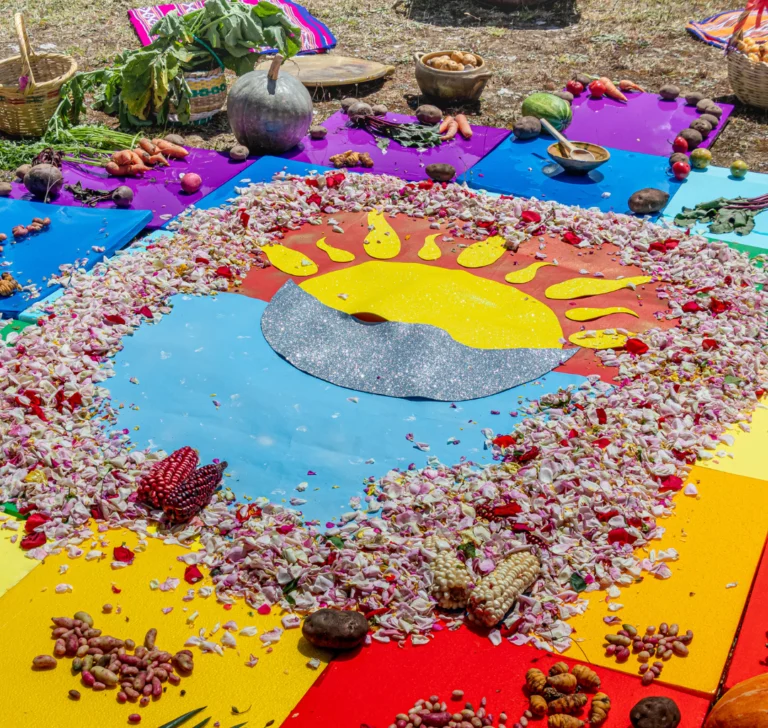
- The Haywasqa or “payment to the Earth” is performed with offerings.
- Cooked foods are offered by placing them in a hole in the ground as a symbolic act of feeding Mother Earth.
- Traditional songs and dances are performed in ceremonial clothing with native music.
These offerings and rituals are accompanied by words of gratitude, prayers for the well-being of the Earth, and hopes for the prosperity of the community.

How to honor Pachamama from anywhere in the world
Although these traditions originate in South America, people around the world can also take part in this celebration. Through simple yet meaningful actions, we can show Pachamama our respect and gratitude for all that she provides. It isn’t necessary to include a spiritual aspect, unless one chooses to do so, in order to honor Mother Earth. Here are a few ways to honor her from any corner of the planet:
Connect with nature – One of the simplest and most powerful ways to honor Mother Earth is by connecting with her. On this day, spend time outdoors, visit a park, or simply observe the natural world around you. This connection can foster a sense of gratitude and inspire us to protect and preserve the environment.
Reduce your carbon footprint – Reducing our carbon footprint is essential for mitigating climate change and protecting the Earth. Actions like turning off lights and electronics when not in use, carpooling or using public transport, cutting down on meat consumption, or separating waste for recycling can all make a positive difference. Small changes can add up to a big impact.
Educate yourself and others – Take some time today to learn more about environmental issues and share that knowledge with those around you. Education is one of the most powerful tools we have—it spreads quickly. Together, we can make a meaningful difference.

Truck drivers are at high risk of developing diabetes
About 11% of the adult population meets the criteria for prediabetes, and there is a particular group at high risk: truck drivers. Diabetes rates in

Starting in trucking: required permits, registrations, and compliance
Are you a new carrier? This is what you need to know about permits, registration, and compliance. The trucking industry can be quite challenging for

Alberta Clipper Brings an Early Polar Blast: A Critical Alert for Drivers
The Alberta Clipper is sweeping across the country with fast-moving Arctic air, sharp temperature drops, and dangerous road conditions that demand heightened attention from all professional drivers.

American manufacturers trigger truck “dumping” investigation
Foreign trailer manufacturers under investigation for alleged “dumping” in the U.S. The U.S. truck market is at the center of a trade dispute. After domestic

ATRI Warns: Litigation Is Rising Across the U.S. Trucking Industry
A new report from the American Transportation Research Institute (ATRI) reveals how escalating litigation, higher legal costs, and mounting insurance pressures are reshaping the U.S. trucking industry. The findings mark a critical moment for motor carriers, insurers, and logistics stakeholders who must understand the changing legal environment — and the increasingly strategic role of strong insurance partnerships.

FMCSA says no to hours-of-service exemptions
FMCSA rejects two requests for exemptions to hours-of-service rules for commercial drivers. The Federal Motor Carrier Safety Administration (FMCSA) has denied two exemption requests related