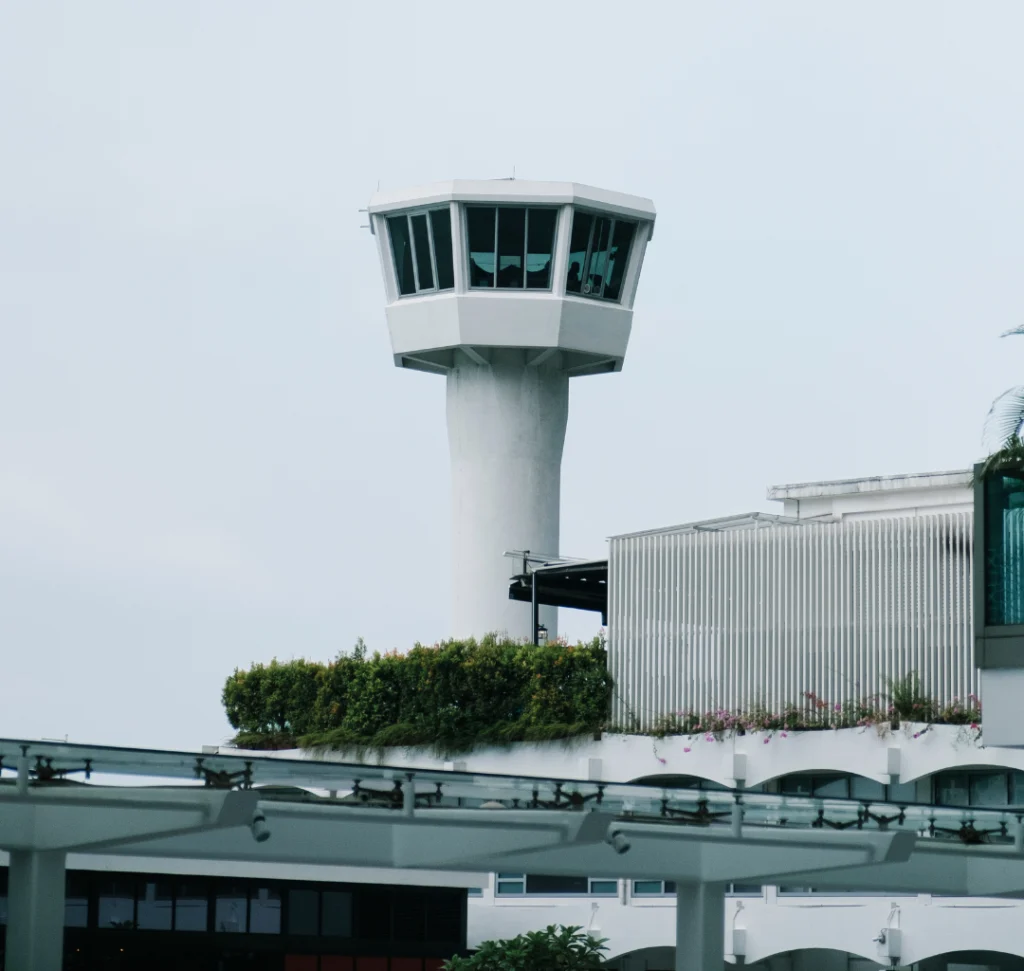
In recent days, numerous flights have been affected due to a shortage of air traffic controllers.
The government shutdown has been in effect for five days, and its consequences are already beginning to show, especially in the air transportation sector. In recent days, numerous flights have been affected due to a shortage of air traffic controllers, resulting in significant delays at major U.S. airports. In some regions, this situation has forced pilots to seek alternative job opportunities.
According to CNN reports, twelve Federal Aviation Administration (FAA) facilities were impacted Monday night due to staffing shortages. Among the affected control towers are those in Burbank, Phoenix, and Colorado. Additionally, facilities overseeing air traffic at airports in Newark (New Jersey), Jacksonville (Florida), Chicago, Washington, and Indianapolis also faced staffing issues. At Denver and Newark Liberty airports, ground delays were reported, preventing takeoffs until controllers could resume operations.
Air traffic controllers: essential workers without pay
Essential workers are required to continue performing their duties during a government shutdown, even though they do not receive pay while it lasts. Air traffic controllers fall into this category. For this reason, the number of controllers calling in sick has increased in recent days, according to Transportation Secretary Sean Duffy.
The union representing them, the National Air Traffic Controllers Association (NATCA), stated that the current situation highlights a staffing shortage that has persisted for decades, as reported by CNN.
“It is normal for some air traffic controllers to call in sick on any given day, and this is the latest example of the fragility of our aviation system amid the ongoing national shortage of these essential safety professionals,” NATCA said in a statement on its website. “Nearly 11,000 fully certified controllers remain on the job, many of them working 10-hour shifts up to six days a week, showing extraordinary dedication to safely guiding millions of passengers to their destinations, all without pay during this shutdown,” the union added.
However, some controllers have been forced to seek paid work elsewhere. While some are able to remain at their posts during the shutdown, others must turn to alternative jobs to cover their basic needs. As a result, air traffic control responsibilities have increasingly fallen to pilots.
Using tower radio frequencies, pilots coordinate their intentions with any other aircraft listening on the same channel and are responsible for avoiding other aircraft, trying to operate safely without the support of air traffic controllers. This technique is commonly used at small airports without control towers.

Suspension of the Essential Air Service (EAS) program
The partial government shutdown is affecting more than just air traffic control operations. It also threatens to halt the Essential Air Service (EAS) program, which subsidizes flights to small cities that would otherwise lack air service. According to the Department of Transportation, those funds will expire on Sunday, and there are no remaining resources to extend them, despite having already drawn from emergency FAA funds.
This program is vital for many rural communities, especially in Alaska, where air travel is the only means of access due to the lack of roads. While the impact will be particularly severe in that state, the suspension of EAS will affect small communities across the country.
As a result, ground transportation may also be impacted, as increased demand is expected in areas where it still serves as a viable alternative.

Autonomous Trucks: Who Places the Warning Triangles When There’s No Driver?
A federal exemption allows warning triangles to be replaced with cab-mounted beacons on certain autonomous trucks. The decision addresses how to warn approaching traffic when no one can step out of the cab.

Diesel in the USA: Which States Suspended the Tax—and Which Still Charge It?
Georgia, Ohio and North Carolina have introduced temporary fuel tax relief. Texas, Indiana, Illinois and Utah have different measures, with limits that truckers should understand before calculating potential savings.

Indiana and Ohio Pave the Way for Autonomous Trucking
Backed by an $8.8 million investment and federal transportation funding, Indiana and Ohio are developing a corridor to test automated trucks in real-world freight operations. The project aims to improve highway safety, logistics efficiency, and interstate autonomous vehicle operations.

Texas Lawsuit Raises Questions About Age Limits for Truck Drivers
A federal lawsuit against a Texas trucking company is drawing attention to the rights of older truck drivers. How long can they stay behind the wheel, what medical requirements must they meet, and what does federal law say?

California to Texas: Young Americans Move as Logistics Booms
Texas is strengthening its position as a major U.S. transportation and distribution hub while thousands of young Americans choose the state as a place to live and work.

Florida Reopens Highways After Isaias, but Logistics Disruptions Persist
Following Hurricane Isaias, Florida continues to face port closures and fuel supply challenges as trucking companies play a critical role in delivering essential goods and supporting recovery efforts across the Panhandle.
All content and original artwork, unless otherwise noted, is protected by copyright. Saint George uses certain images under license from various licensing vendors for this purpose. Any unauthorized commercial reproduction or distribution of copyrighted materials is prohibited.