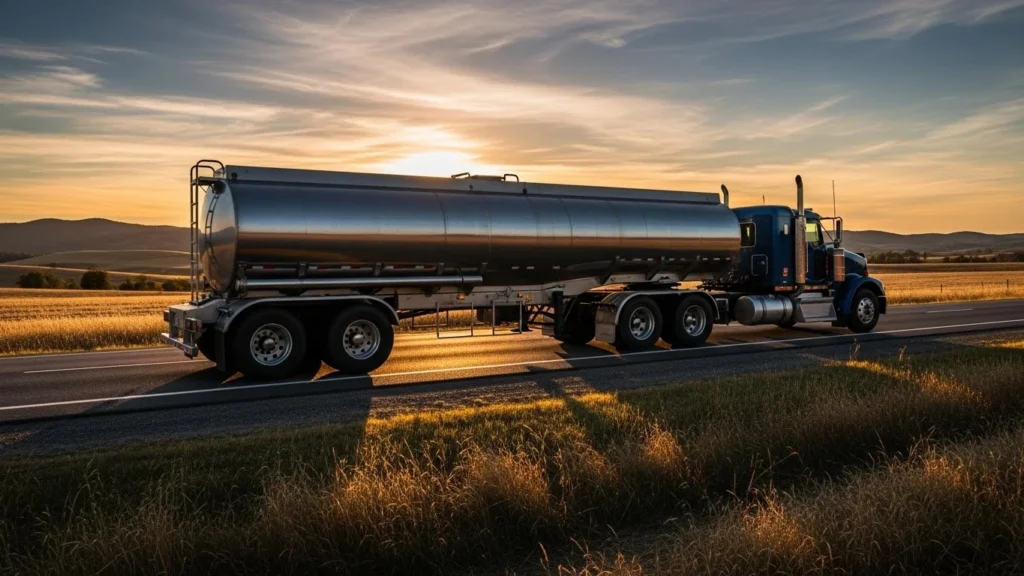
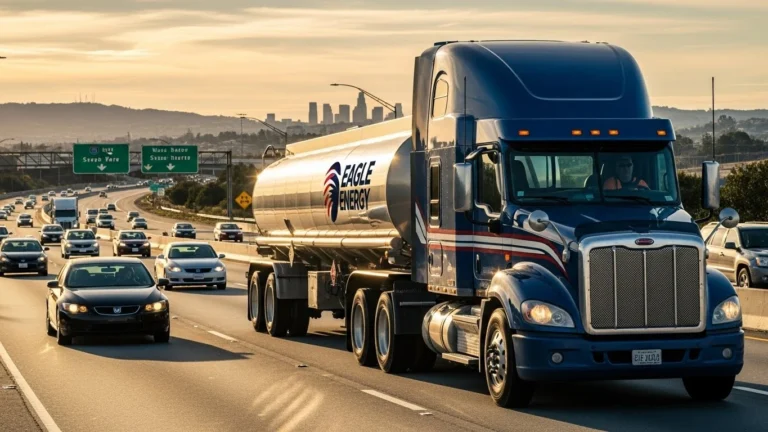
Which trucking industry segment will grow the most in the U.S. and why is a key question for investors, carriers, and logistics operators. A new report from DataNexus Market Research points to tank trucking as the fastest-growing segment, driven by rising demand for chemicals, fuels, and hazardous materials
The U.S. trucking industry is entering a period of profound transformation. Digitalization, the energy transition, tightening environmental standards, and the restructuring of global supply chains are reshaping how freight moves across the country. In this new landscape, not all segments are evolving at the same pace. Some are stabilizing, others are reinventing themselves, and a few are emerging as clear growth leaders.
According to a report published on January 14, 2026, by DataNexus Market Research, the segment expected to experience the strongest growth within the U.S. trucking industry is tank trucking, particularly in the niches of hazardous materials, industrial chemicals, and liquid fuels.
The study estimates that the U.S. tank trucking market was valued at $42.8 billion in 2024 and is projected to reach $65.4 billion by 2032, growing at a compound annual growth rate (CAGR) of 5.45% between 2026 and 2032. These figures place this segment ahead of most other subsectors of the ground transportation industry in terms of long-term expansion.
Tank Trucking: Why It Is Strategic
Unlike dry van or refrigerated trucking, tank trucks are designed to transport bulk liquids and gases. This includes:
- Fuels and petroleum derivatives
- Industrial chemicals
- Compressed gases
- Liquid food products
- Hazardous materials (hazmat)
These products are essential to the functioning of critical sectors such as energy, manufacturing, agriculture, construction, and pharmaceuticals. Their movement cannot be easily interrupted or replaced by alternative transport modes, making tank trucking a structural pillar of the U.S. economy.
DataNexus highlights that this structural dependence is one of the main reasons behind the segment’s sustained growth. This is not discretionary freight—it consists of core industrial inputs that keep production, infrastructure, and services running.

The Most Profitable Niches: Specialization and Barriers to Entry
The report finds that the highest returns on investment (ROI) are concentrated in the most specialized niches:
- Hazardous materials transportation
- Chemical hauling
- Industrial fuels and liquid commodities
These segments come with high barriers to entry. Operators must meet strict regulatory requirements, obtain specialized certifications, invest in continuous driver training, and maintain fleets built to rigorous technical standards. Insurance costs are also significantly higher.
However, these same barriers reduce competition and encourage long-term contractual relationships. According to DataNexus, specialized carriers tend to benefit from more stable contracts, lower customer churn, and stronger operating margins—factors that translate into greater financial predictability.
Regions With the Strongest Growth Potential
Growth in tank trucking is not evenly distributed across the country. The report identifies several regions as particularly dynamic:
- The Gulf Coast (Texas and Louisiana): A dense concentration of refineries, ports, petrochemical plants, and energy infrastructure.
- The Midwest (Illinois and Ohio): A strong manufacturing and industrial base.
- The Southeastern U.S.: Rapid expansion of logistics hubs and export corridors.
These regions combine high demand for specialized freight, ongoing infrastructure investment, and relatively favorable regulatory environments.
Technology and Efficiency as Key Differentiators
Another reason this segment is expected to outpace others is its rapid adoption of advanced technologies. DataNexus notes that leading carriers are investing heavily in:
- Advanced telematics systems
- Fleet management platforms (TMS)
- Real-time route optimization
- Cargo monitoring and safety sensors
- Predictive analytics
These tools help reduce operating costs, improve safety performance, and ensure compliance with increasingly strict regulations.
At the same time, fleet modernization—especially the adoption of low-emission and environmentally compliant vehicles—has become a major competitive factor. Environmental rules and ESG expectations from large industrial clients are pushing carriers to upgrade equipment and improve transparency.
Is Tank Trucking a Risky Segment?
The study categorizes tank trucking as a moderate-risk market. Among the main challenges are:
- Fuel price volatility
- Regulatory changes
- High capital requirements
- Sensitivity to economic cycles
Still, the report emphasizes that established operators have demonstrated strong resilience, even during economic downturns. This is largely due to the essential nature of the products they transport and the prevalence of long-term contracts with industrial customers.
In fact, the most regulated segments—such as hazmat transportation—often offer the best risk-adjusted returns, provided operators meet the required safety and compliance standards.
Why This Segment Will Outperform Others
Compared to other trucking subsectors, tank trucking combines three critical advantages:
- Structural demand: Industrial liquids are non-negotiable inputs for the economy.
- High specialization: Less competition and higher value-added services.
- Limited substitution: These shipments cannot easily shift to alternative modes.
While some segments of the trucking industry face pressure from automation, changing consumption patterns, or modal shifts, the movement of critical liquid cargo will remain indispensable.
A Strategic Opportunity
DataNexus concludes that this is a favorable moment for companies and investors to expand into or within the tank trucking segment—provided they prioritize regulatory compliance, technology adoption, and safety performance.
The report also recommends gradual entry strategies, partnerships with established operators, and regional pilot programs to reduce risk and accelerate market penetration.
As logistics becomes increasingly strategic to the U.S. economy, tank trucking is positioning itself as one of the most resilient and opportunity-rich pillars of the freight ecosystem.

Volvo Pushes Beyond Diesel with New Hydrogen Combustion Truck Trials
Volvo Trucks is once again taking the lead, beginning road tests with heavy trucks equipped with hydrogen combustion engines.

Trucker Fashion: A Revolution Born on the Road That Still Sets the Trend
Trucker fashion remains relevant due to its authenticity, its seamless integration into streetwear, and its reinterpretation by luxury brands, consolidating itself as a revolution born on the road that evolved from a work uniform into a global cultural symbol

North Dakota among states regaining non-domiciled CDL authority
North Dakota will reissue approximately 150 of the 526 CDLs and CLPs for non-resident drivers that were active during the FMCSA audit.

The Growing Threat of Chameleon Fleets
A CBS ‘60 Minutes’ investigation exposes the rise of ‘Chameleon Fleets’ in the U.S. trucking industry.

US transportation begins to show signs of recovery
With tonnage at record levels and rates on the rise, carriers are leading the expansion of the logistics market. If the forecasts hold true, years of uncertainty could be over.

Trump Administration Restarts California Pipeline to Lower Gasoline Prices
Under Trump, the restart of the Santa Ynez Pipeline aims to boost local crude supply and impact gasoline prices amid persistently high energy costs in California.