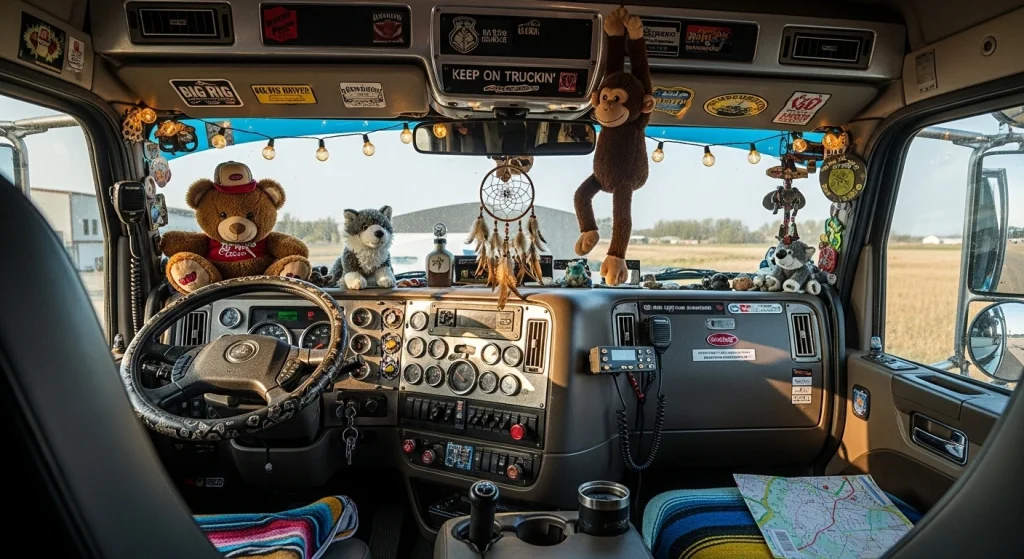
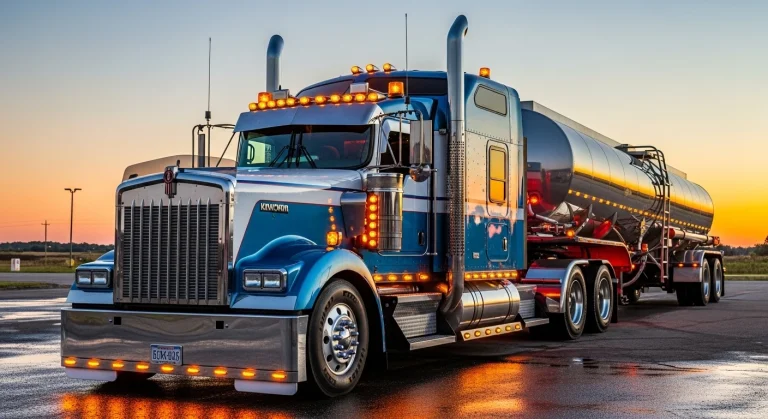
Truck customization has become a serious industry, with some builds rivaling high-end RV conversions in complexity and cost. From redesigned sleepers to upgraded suspension systems, these modifications do more than change appearance — they alter weight, electrical load, and the technical profile of the truck.
Truck customization has evolved far beyond chrome trim and decorative lights. Today, it represents a specialized segment of the trucking world, supported by dedicated shops, fabricators, electricians, and interior builders who treat each project like a long-term investment.
At major trucking shows and regional exhibitions, it’s common to see units that have undergone $50,000 to $100,000 (or more) in upgrades. These are not cosmetic add-ons — they are engineered builds designed to hold up under real-world mileage.
Sleeper Rebuilds That Change the Structure of the Truck
One of the most extensive modifications takes place inside the sleeper. In many custom builds, the factory interior is stripped out and rebuilt with reinforced framing, upgraded insulation, custom cabinetry, and expanded storage.
These rebuilds often include additional electrical infrastructure to support appliances, electronics, and comfort systems. The result is a sleeper that feels more like a compact living space than a standard resting compartment.
However, these structural changes also add weight and can shift weight distribution across the chassis. That affects braking dynamics, fuel efficiency, and long-term component wear.

Expanded Electrical Systems: Comfort Comes at a Cost
Modern custom sleepers frequently include large televisions, high-powered audio systems, refrigerators, microwaves, gaming consoles, and high-speed internet equipment.
To support this, installers add inverters, auxiliary battery banks, and upgraded wiring systems. When properly designed, these systems are reliable and efficient. When they are not, they can create electrical strain, overheating, and premature failure of alternators and batteries.
Every additional device becomes part of the truck’s overall electrical load — and that load must be managed correctly.
Suspension Modifications and Ride Dynamics
Suspension upgrades are another major area of customization. Some owners install adjustable air suspension systems to fine-tune ride height and comfort. Others modify components for show presentation or improved highway ride quality.
These changes alter the truck’s geometry, center of gravity, and load transfer under braking and cornering. Even subtle differences can influence handling characteristics, tire wear, and stress on drivetrain components.

Lighting Systems Beyond Factory Specs
Custom lighting has grown far more advanced than the traditional marker lights seen decades ago. Today’s builds often feature independent circuits, electronic controllers, and full LED systems running along frames, steps, grilles, and trailers.
While visually impressive, these additions require careful installation. Road vibration, moisture exposure, and temperature changes all test the durability of electrical connections over time.
How Modifications Affect Real-World Operation
A modified truck does not behave exactly like a stock unit. Added equipment increases overall weight and can affect stopping distance and fuel consumption. Electrical upgrades create constant demand on charging systems. Interior rebuilds can introduce new vibration patterns or noise sources.
Drivers of customized trucks often need to be more attentive to how the vehicle feels on the road. Subtle changes in braking response, suspension feel, or electrical performance can signal developing issues.

Preventive Maintenance Becomes Even More Critical
In highly customized trucks, many costly repairs don’t come from major collisions but from small issues that compound over time. Loose mounting hardware, improperly supported wiring, or aftermarket components not designed for heavy vibration can lead to expensive downtime.
Routine inspections, electrical system checks, and component retorquing are essential parts of maintaining a customized rig.
Customization, Value, and Proper Protection
Customization continues to grow because for many drivers, a truck is more than a business asset — it’s personal pride, comfort, and professional identity.
But every significant modification increases the truck’s real-world value and changes its technical profile. Structural, electrical, suspension, or interior upgrades all represent added investment.
That’s why it’s important to keep records of major modifications and notify your insurance provider when substantial changes are made. Proper documentation ensures the truck’s value and configuration are accurately reflected.
A customized truck may stand out on the highway, but it is also a serious technical investment that deserves to be properly protected.

How to prevent allergies and flu on the road
Here are some measures to stay healthy and reduce, as much as possible, the risk of seasonal allergies as a trucker.

Spring cleaning tips for truckers
Spring has arrived, and with it, the ritual of cleaning, an opportunity to make way for cleanliness, order, and self-care in all aspects of life.

Geopolitical tensions drive oil surge and pressure U.S. economy
The current state of geopolitics, its impact on the U.S. economy, and the pressure facing the Federal Reserve.

The hidden engine of St. Patrick’s Day: logistics and migration
St. Patrick’s Day is one of the most important celebrations in the United States, and it couldn’t be possible if it wasn’t for migration and the supply chain.

Brad Pitt’s lesson: speed, logistics, safety, and teamwork
Joseph Kosinski’s vision in the film “F1” redefines efficiency in transportation, integrating cutting-edge engineering. With input from champion Lewis Hamilton, the film received four Oscar nominations in 2026. Lessons for truckers and transport operators.

Nashville becomes the epicenter of transportation and heavy technology
The largest transportation technology trade show in the US kicks off in Tennessee. It brings together 5,000 experts and will shape the future of trucks, artificial intelligence, and fleet maintenance.