Operation SafeDRIVE triggered thousands of inspections across 26 states and Washington, D.C., leading to disqualified drivers, sidelined equipment, and arrests while reinforcing a stricter enforcement environment for the trucking industry.
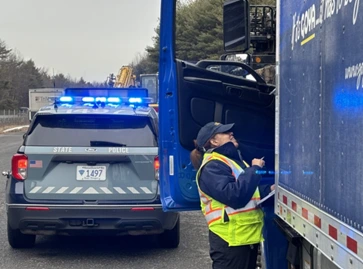
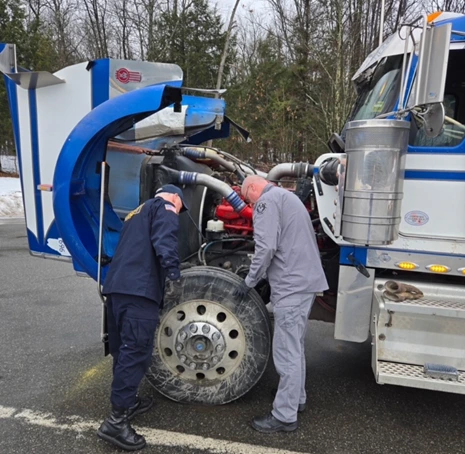
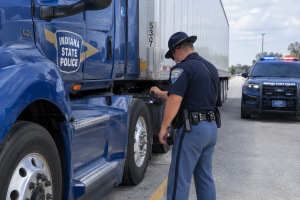
A federal initiative removed nearly 2,000 truck drivers and vehicles from service in just three days in an action led by the United States Department of Transportation aimed at strengthening safety standards, increasing roadside enforcement visibility, and delivering a direct message to the industry: compliance leaves little room for gray areas.
The effort marked the first phase of Operation SafeDRIVE, carried out in coordination with the Federal Motor Carrier Safety Administration and state law enforcement partners. Inspection teams focused on major freight arteries, logistics gateways, and locations considered high risk due to heavy truck traffic or crash history.
Results were announced by Transportation Secretary Sean P. Duffy, who emphasized that cross-jurisdiction cooperation allowed authorities to quickly identify drivers and vehicles that should not have remained on the road.
Large-Scale Inspections, Immediate Impact
Official figures illustrate the scope of the operation:
8,215 roadside inspections
704 drivers placed out of service
nearly 500 tied to English-language proficiency violations
1,231 vehicles placed out of service due to defects or compliance failures
56 arrests, including DUI and immigration-related cases
Together, those actions led to the immediate removal of almost two thousand participants from the freight network.
For fleets, the numbers underscore how quickly enforcement capacity can scale when federal and state resources align.

What an Out-of-Service Order Means
An out-of-service designation brings operations to a stop until the problem is corrected. Depending on the violation, that can involve licensing issues, hours-of-service breaches, missing paperwork, or mechanical conditions that compromise safety.
In practical terms, the consequences may include delivery delays, load rescheduling, contractual penalties, and cascading operational costs that often outweigh the original infraction.
A Positive Signal for Road Safety
From a transportation protection standpoint, Operation SafeDRIVE reinforces a widely recognized reality: more effective oversight leads to safer highways.
Removing drivers who lack qualifications or trucks with critical defects reduces immediate exposure to crashes, safeguards professional operators, and protects the communities that freight moves through. Each successful inspection strengthens prevention.
Clear Standards Across the Board
The operation highlighted the importance of fundamentals that shape everyday trucking activity: valid documentation, professional fitness, mechanically sound equipment, and the ability to communicate within a regulated environment.
These are not mere administrative details. They are essential factors in responding correctly to emergencies, traffic diversions, border procedures, or severe weather conditions.
Compliance Culture in Motion
Joint federal and state actions tend to create rapid shifts in industry behavior. A visible roadside presence reinforces that safety is continuous and that preparation must happen before the trip begins—not when an inspector steps up to the cab.
Companies that embed procedures, training, and maintenance into their regular workflow generally navigate these environments with greater stability.
Prevention Benefits the Entire Network
Fewer unsafe drivers and vehicles operating on public roads strengthens the broader logistics ecosystem. Reduced exposure translates into lower crash probability, less disruption from incidents, and more reliable transit times for shippers and receivers.
Anyone sharing the highway experiences the benefit.
An Enforcement Model Likely to Continue
Across the industry, many view this type of concentrated initiative as a preview of future strategy. Improved data systems, interagency coordination, and public demand for safer roads support enforcement programs that are faster, smarter, and more frequent.
Understanding how these operations function—and what inspectors prioritize—has become essential knowledge for modern carriers.
The Road Ahead
The takeaway from Operation SafeDRIVE is straightforward: driver qualification, vehicle condition, and regulatory readiness will remain at the center of transportation policy.
In that environment, disciplined planning, organized records, and consistent maintenance do more than help pass inspections. They contribute to a highway system that is more predictable, more professional, and safer for everyone involved in moving freight.

Texas: What Happened to the USPS Driver Found Dead Inside His Mail Truck?
OSHA is investigating the death USPS driver who was found unconscious during an extreme heat event in Texas.

Freedom Haulers: How Veterans Can Get CDL and Start a Trucking Career
The Trump Administration’s new Freedom Haulers initiative connects military veterans with commercial trucking jobs through paid CDL training, GI Bill education benefits, military driving waivers, and direct access to employers.

More Tariffs? New U.S. Trade Measures Target 60 Countries
President Donald Trump is set to launch a new round of double-digit tariffs on imports from 60 countries.

New Bill Would Make Staged Commercial Truck Accidents a Federal Crime
Florida Senator Ashley Moody pushes federal crackdown on staged truck accidents.

How Much Does It Cost to Maintain a Truck Each Year?
How much does it really cost to run a commercial truck? Fuel, tires, maintenance, insurance, and repairs make a commercial truck one of the most expensive tools.

Snowbound: Truckers Stranded on One of the World’s Toughest Roads
More than 600 truck drivers are waiting in the Andes for the reopening of the corridor linking the Atlantic and Pacific oceans—one of the most challenging mountain routes on Earth.