US Climate Records 2026 are already redefining risk patterns for the transportation industry. Historic flooding and a deadly avalanche in California, unusual winter heat in Colorado, extreme snowfall in Alaska and rare January tornadoes in Oklahoma mark a start to the year of extraordinary intensity. In just two months, US Climate Records 2026 have broken long-standing benchmarks across multiple states.
Historic flooding in California, unseasonal warmth in Colorado, record-breaking snow in Alaska and tornado activity in mid-winter illustrate how 2026 is challenging operational planning nationwide.
One of the most tragic events so far was the death of eight skiers trapped by an avalanche in the Sierra Nevada. The disaster occurred during one of the most powerful winter storms of the season. In some sections of the Sierra Nevada, snowfall reached up to 2.4 meters (nearly eight feet), dramatically increasing the risk of additional slides.
It is the deadliest avalanche recorded in the United States since 1981. Yet it represents only one piece of a broader pattern. The beginning of 2026 has already seen at least eleven historic weather records broken in different regions of the country.
California: Record Rainfall and Severe Flooding
The storm system that hit California beginning February 16 did not only deliver extreme mountain snowfall. In lower elevations, daily rainfall records were broken in cities such as Stockton and Modesto. Long Beach Airport surpassed two inches of rain in a single day, setting a new local record.
Persistent rainfall triggered urban flooding, state highway closures and delays along critical freight corridors. Simultaneously, the massive snow accumulation in the Sierra Nevada activated avalanche warnings and forced the closure of strategic mountain passes.
The combination of historic rainfall and extraordinary snowfall at the same time made California the climate epicenter of the country in February. For trucking and logistics operations, the impacts included rerouted shipments, congestion around closed corridors and increased risk exposure in mountainous terrain.

Colorado: Denver Breaks a Nearly 50-Year Record
While the West Coast battled storms, Colorado experienced unusually warm winter conditions.
On February 16, Denver recorded its 35th day with temperatures at or above 60°F since December 1, surpassing the previous winter record of 34 days set in 1980–81.
The dry and mild winter significantly reduced snowpack accumulation along the Front Range, disrupting the typical seasonal pattern. This stark contrast—extreme storms in one state and almost spring-like warmth in another—highlights the breadth of weather variability seen within weeks.
For transportation planners, this creates additional complexity: fluctuating road surface conditions, inconsistent snow removal needs and altered demand for seasonal freight patterns.
Alaska: Over 100 Inches of Snow in Five Weeks
In the far north, Juneau experienced one of the snowiest stretches in its recent history.
Between December and mid-January, more than 100 inches of snow accumulated. December 2025 had already broken a long-standing record with 79.8 inches recorded at the international airport, surpassing a benchmark that had stood since 1964.
The heavy snow caused dock collapses, submerged vessels and repeated avalanche warnings. Even for a city accustomed to harsh winters, the magnitude and persistence of snowfall exceeded typical parameters.
Infrastructure stress in ports and coastal logistics hubs demonstrates how extreme snowfall directly affects maritime and intermodal operations.
FLORIDA WEATHER WHIPLASH! 🥵🥶
— Matt Devitt (@MattDevittWX) February 18, 2026
Get ready for a big drop in temperatures as winter returns next week. We'll go from 80s (even some near 90°) on Saturday to wind chills in the 20s and 30s by Tuesday morning! #Florida pic.twitter.com/g3M4SHGlTX
Florida: Rare Winter Snow and Historic Cold
January brought an unusual image to the southern United States. An Arctic air mass descended into central and southern Florida, producing light snowfall near Tampa and Sarasota.
Temperatures dropped low enough to cause iguanas to enter cold-induced torpor and fall from trees—an image that only appears during exceptional cold events.
Florida rarely appears in winter record lists, but 2026 has added it for unexpected reasons. For transport networks accustomed to warm-weather operations, cold snaps introduce challenges in equipment performance and road safety.
Oklahoma: Five Tornadoes in January
On January 8, five tornadoes were confirmed in Oklahoma in a single day, tying the historic January record for the state.
Since 1950, January has not typically been associated with high tornado activity in Oklahoma. The occurrence of five events in one day reinforces a trend toward earlier and less predictable severe weather seasons.
Unseasonal tornado activity complicates freight scheduling and increases insurance exposure during months traditionally considered low risk.
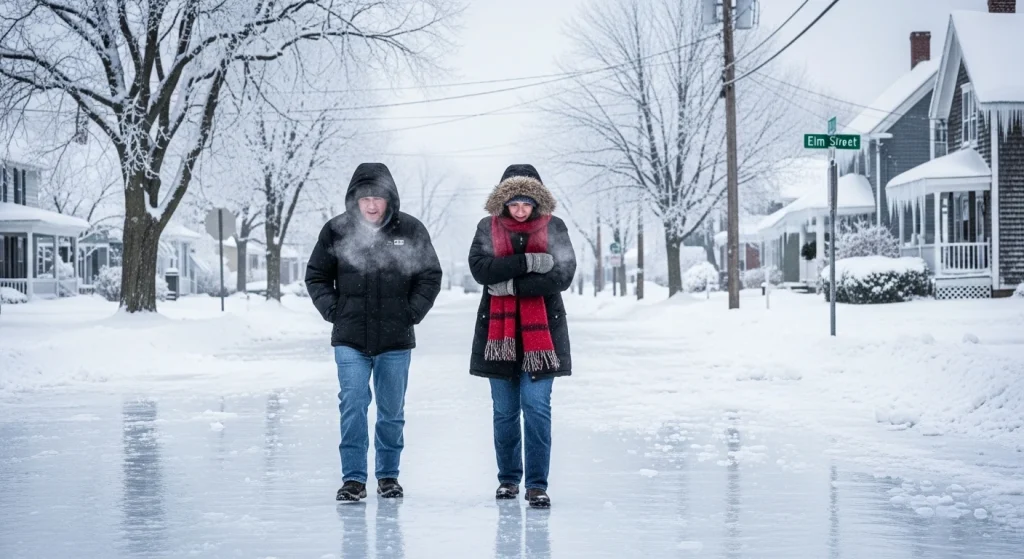
Black ice all over #Chili. Roads, sidewalks driveways and parking lots got black ice. #Weather https://t.co/4thvnX2Jan pic.twitter.com/h1Y2abCykk
— Joseph Frascati (@joey_frascati) February 19, 2026
New Mexico: Snowfall Doubles Monthly Average
During the winter storm known as “Fern,” Bonito Lake accumulated 31 inches of snow in just a few days—more than double the typical January average for that region.
Road infrastructure was heavily strained by snowfall volumes unusual for the state, leading to temporary closures and logistical disruptions.
North Carolina: 22.5 Inches from a Bomb Cyclone
In the Southeast, Faust recorded 22.5 inches of snow during a single storm, ranking among the largest accumulations ever documented in the state.
A state of emergency was declared, and several communities were isolated for days in a region not accustomed to snowfall of that magnitude.
New York and Philadelphia: Largest Snowfall Since 2021
The Northeast also saw significant impacts. Central Park recorded 11.4 inches of snow in a single day, the highest total since 2021. In parts of Philadelphia, accumulations reached up to 20 inches.
The result included widespread flight cancellations, interstate highway delays and disruptions to urban and rail transportation systems.
A Start to the Year That Is Rewriting Statistics
In just two months, 2026 has delivered a climate landscape defined by extremes: historic flooding, record winter warmth, unprecedented snowfall and out-of-season severe storms.
The Sierra Nevada avalanche encapsulates the intensity of this start to the year. Massive accumulations, rapid condition changes and simultaneous phenomena across regions point to a highly dynamic weather environment.
For the transportation industry, this means constant monitoring of official alerts, flexible route planning and heightened attention to mountain corridors, flood-prone areas and regions where severe weather may emerge outside traditional seasonal windows.
If the pattern observed through February continues, 2026 could become one of the most climatically intense years in recent U.S. history.
Recommendations for Carriers and Fleet Operators
Monitor official weather alerts before and during every trip.
Evaluate alternative routes when closures occur due to snow, flooding or severe storms.
Adjust delivery timelines when active warnings are in place.
Inspect tires, brakes and safety systems before entering affected regions.
In a year that began by breaking climate records, anticipation and flexibility are essential to keeping operations moving safely and efficiently.

The top truck bottlenecks in the U.S. 2026
The American Transportation Research Institute has released its annual report on freight bottlenecks in the United States. The American Transportation Research Institute (ATRI) published its

US Climate Records 2026: Extreme Weather Is Already Reshaping Transportation Across the Country
US Climate Records 2026 are already redefining risk patterns for the transportation industry. Historic flooding and a deadly avalanche in California, unusual winter heat in Colorado, extreme snowfall in Alaska and rare January tornadoes in Oklahoma mark a start to the year of extraordinary intensity. In just two months, US Climate Records 2026 have broken long-standing benchmarks across multiple states.

What are Grabovoi numbers and what can be manifested with them
Grabovoi numbers: a list of numerical sequences intended to activate certain areas of daily life in order to enhance, improve, and develop them. Manifestation and

CVSA’s 2026 international inspection to target ELD manipulation
The 2026 inspection will focus on drivers who falsify or manipulate their electronic logging devices (ELDs) to alter their hours of service. Each year, the

Illinois CDL Audit: 20% Under Federal Review
A federal audit found that nearly 20% of Illinois’ non-domiciled CDLs may not comply with federal standards. The state has 30 days to correct the issues or risk losing $128 million in highway funding.

Wall Street under the microscope: solid employment, contained inflation, and rising volatility
Employment, inflation, and retail sales set the tone for a week marked by volatility and sector rotation on Wall Street. In the latest episode of